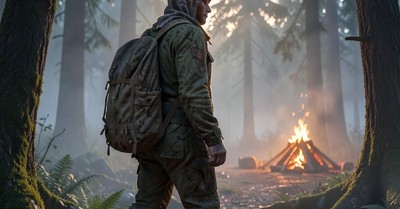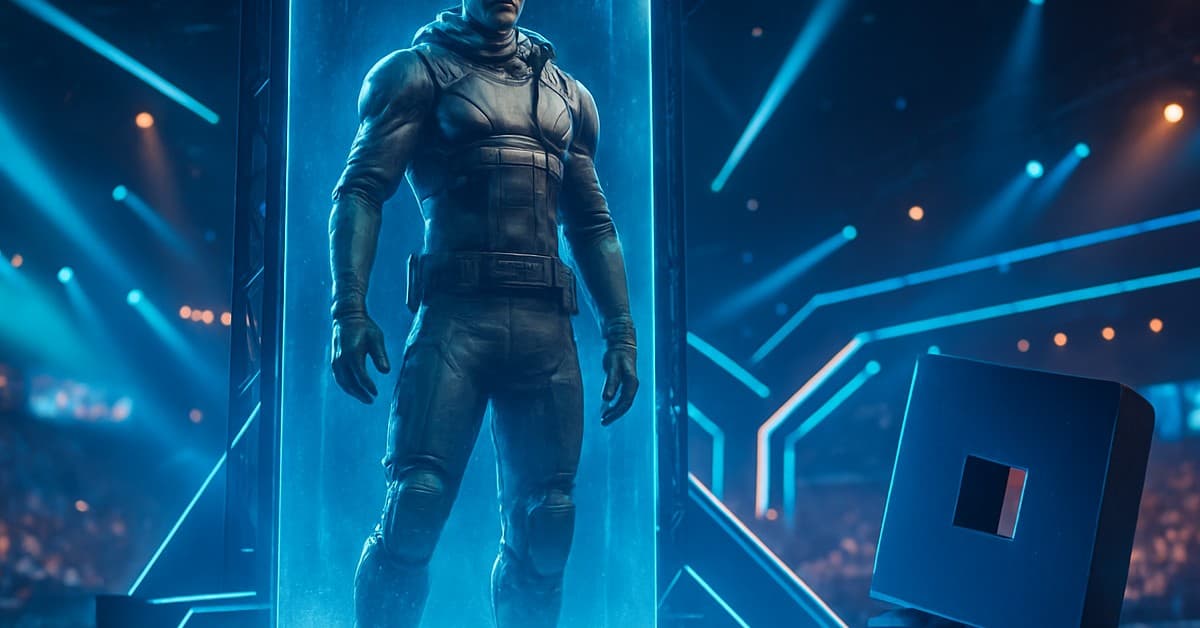
Roblox, the popular online platform known for its user-generated games, has been exploring the integration of AI technology to upscale its traditionally blocky, Lego-like graphics into photorealistic experiences through a feature known as Roblox Reality. This move, leveraging advancements like Nvidia's DLSS 5, aims to enhance the visual fidelity of games such as Grow a Garden and 99 Nights in the Forest. However, not all developers on the platform are convinced that this shift towards photorealism aligns with the preferences of the average Roblox player.
Alec Kieft, co-creator of the hit Roblox survival game 99 Nights in the Forest, voiced his skepticism, stating:
"I don't think that your average player right now wants to do that"
Alec Kieft, Co-creator of 99 Nights in the Forest
The Appeal of Lo-Fi Graphics
Kieft explained that the minimalist graphics of Roblox games are not a limitation but a deliberate design choice that facilitates easier gameplay. In 99 Nights in the Forest, the lack of clutter allows younger players to focus on the game's mechanics without being overwhelmed by detailed environments. This approach contrasts sharply with more complex, detailed games found on platforms like Steam, where intricate textures can sometimes obscure interactive elements, leading to the use of "detective vision" or highlighting systems to guide players.
"The graphics are very minimalist," Kieft noted, "which works very well for players because you're not shooting yourself in the foot with these overly complicated high-fidelity textures." This simplicity ensures that players can intuitively understand the game world without needing additional cues, a luxury not always afforded by more photorealistic titles.
Potential and Skepticism
While Kieft acknowledges Roblox's strategic push towards higher fidelity (evident in suggestions for developers to create high-fidelity content like driving games), he remains unconvinced about the immediate appeal of such games to the average player. However, he does see a potential long-term shift if a pioneering title successfully carves out a high-fidelity genre niche within Roblox, potentially attracting a new segment of players.
Roblox's move into photorealism, though ambitious, may overlook the platform's unique selling point: accessibility. By not requiring high-end hardware, Roblox has captured a broad audience, including those who might not have the capability or desire for graphically intensive experiences. The question remains whether the pursuit of photorealism will enhance the platform's appeal or alienate its core user base.
Implications for Developers and Players
The debate surrounding Roblox Reality highlights a broader discussion about game development priorities. For developers like Kieft, the focus remains on gameplay and accessibility, rather than graphical prowess. Players, too, seem to prioritize these aspects, as evidenced by the success of 99 Nights in the Forest and similar titles. Whether Roblox can successfully integrate photorealistic capabilities without losing its edge in simplicity and accessibility will be closely watched by both developers and the gaming community.
Ultimately, the success of Roblox's foray into photorealism will depend on whether it can balance its aspirations with the desires of its user base. As the platform navigates this challenge, one thing is clear: the decision to embrace or reject photorealism will significantly impact the future trajectory of Roblox and its community.