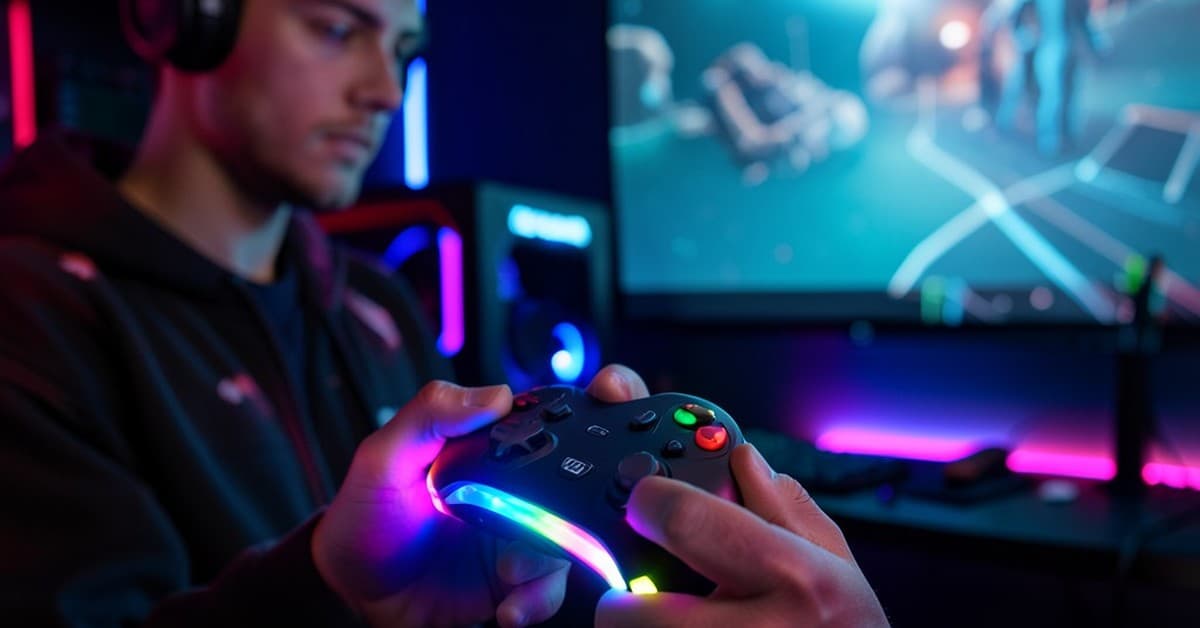
The gaming controller landscape is undergoing a silent revolution, and it's not the Xbox or DualSense controllers leading the charge. Despite their market dominance, Microsoft and Sony's standard gamepads are being outdone by third-party vendors in terms of innovation, quality, and overall player experience. This reality hit home while contemplating the Steam Controller, which, despite its unique features like mouse input and drift-resistant sticks, faces its most formidable competition from unexpected quarters.
The preference for first-party controllers, evident on best-seller lists and in community discussions, seems rooted in historical perceptions rather than current market realities. A viral post highlighting the Steam Controller's superior feature set over its Microsoft, Nintendo, and Sony counterparts overlooks a crucial point: third-party controllers like the Victrix Pro BFG Reloaded, Gamesir G7 Pro 8K, and EasySMX D10 offer comparable, if not superior, experiences. These controllers boast advanced specs such as high polling rates, Hall effect technology, and customizable buttons, making them equally viable choices for gamers.
About the Steam Controller and Its Overlooked Rivals
Valve's Steam Controller, priced at $100, comes with an impressive array of features: TMR analogue sticks, custom buttons, dual trackpads, magnetic triggers, gyro support, and a 35-hour battery life. However, a closer look at third-party offerings reveals a more competitive landscape. The EasySMX D10, for example, matches the Steam Controller in quality while offering a higher polling rate and more reprogrammable buttons, all at a competitive price point. Similarly, the Gamesir G7 Pro rivals the Steam Controller in both specs and feel, at a $20 lower price tag.
Historical bias against third-party controllers, stemming from past experiences with cheap, low-quality alternatives, contributes to their oversight. Modern third-party controllers, however, have evolved significantly. Devices like the Gamesir G7 Pro (with its Xbox wireless compatibility in specific models) and the EasySMX series challenge the notion that non-first-party controllers are inherently inferior. Their build quality, ergonomic design, and advanced features make them stand out in a crowded market.
Raw Specs vs. Real-World Feel
A specs comparison might suggest the Steam Controller leads the pack, but the real test lies in the gaming experience. Third-party controllers not only match but sometimes exceed the comfort and responsiveness of their first-party counterparts. The Gamesir G7 Pro, for instance, is praised for its build quality and feel, rivaling the Steam Controller at a lower cost. The EasySMX D10's linear Hall effect and non-linear micro switches offer a precision that appeals to discerning gamers.
| Controller | Price | Features |
|---|---|---|
| Steam Controller | $100 | TMR sticks, custom buttons, dual trackpads, magnetic triggers, gyro, 35-hour battery. |
| EasySMX D10 | Competitive | TMR sticks, higher polling rate, Hall effect and micro switches, reprogrammable buttons, nicer dock. |
| Gamesir G7 Pro | $80 | Matches D10 with better feel and build, $20 less than Steam Controller. |
What This Means for Players
The Steam Controller's uniqueness, particularly its touchpads and gyro support, makes it an attractive option for some. However, the broader controller market suggests that gamers have more viable, often superior, choices. The oversight of third-party vendors in controller comparisons underscores a larger issue: the gaming community's historical bias against non-first-party products. As the market evolves, recognizing the quality and innovation of third-party controllers is crucial for making informed purchasing decisions, especially at the $100 price point.
The real competition for the Steam Controller, and indeed for all controllers, lies in this vibrant third-party ecosystem. As the gaming hardware landscape continues to diversify, gamers would do well to look beyond the traditional big names for their next controller.
Conclusion and Looking Forward
In the end, the choice between the Steam Controller and its third-party rivals depends on specific gaming needs and preferences. For those enamored with the Steam Controller's unique features, it remains a solid choice. However, for many, exploring the third-party market could yield a controller that better fits their gaming style and budget. As the controller market continues to evolve, one thing is clear: the days of defaulting to first-party controllers solely out of habit are numbered.
Keep an eye on upcoming reviews and hands-on comparisons to make the most informed decision for your next gaming upgrade.