The Unlikely Test
Sandy Petersen, the mind behind the horror tabletop game Call of Cthulhu, recently shared a fascinating anecdote about the inception of its iconic Sanity mechanic. During a playtest with college students, he expected players to treat the Sanity Points as just another statistic. Instead, their reactions were visceral, serving as a pivotal moment in game design that would influence horror games for years to come.
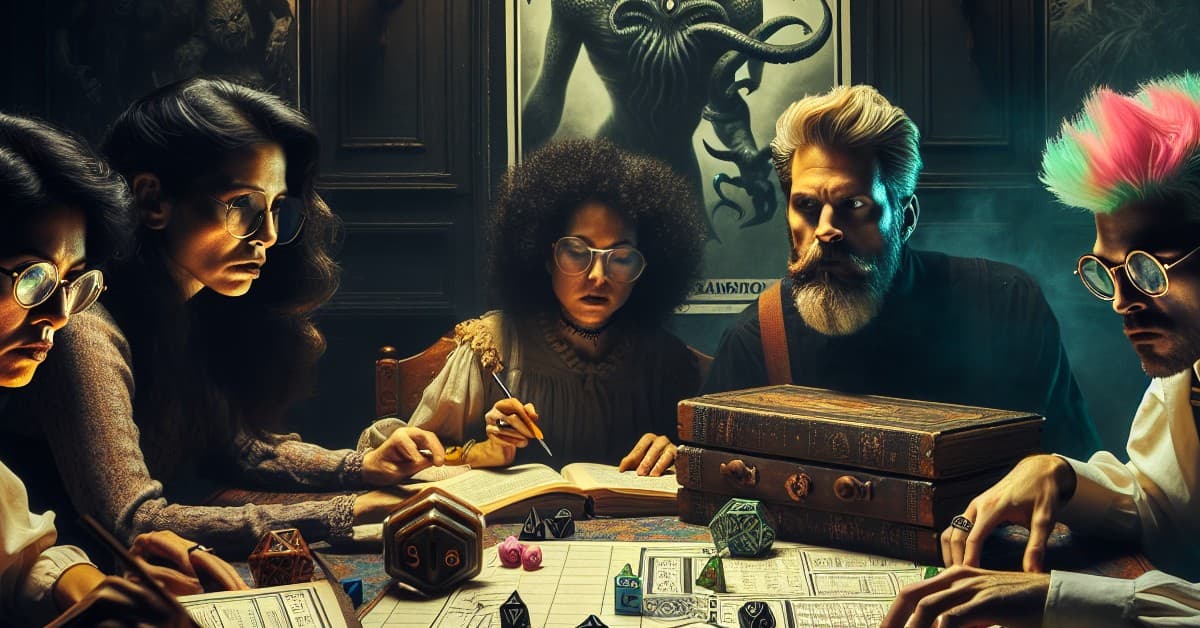
Players lost themselves in the moment, with one participant covering his face, another running to a corner, and a third fleeing upstairs to escape the horrors they summoned. Petersen recalled, "You would never do those things in D&D—knowledge is power. Why look away?" This unexpected behavior revealed that the Sanity rules compelled players to act scared, which set the foundation for a mechanic that would define not only Call of Cthulhu but also many subsequent horror experiences.
The Sanity Mechanic Explained
In Call of Cthulhu, players have Sanity Points that decrease when they encounter Lovecraftian horrors. A significant loss can lead to insanity, causing characters to behave unpredictably or outside the player's control. This aspect of gameplay adds depth and terror, reinforcing the narrative tension inherent in Lovecraft's tales, where characters often succumb to madness in the face of the unknown.
Petersen's realization that players could physically embody their characters' fear was revolutionary. It transformed the act of gaming into a more immersive experience. "Having the players ACT scared is the first step to actually having them BE scared," he noted. This approach changed how horror could be expressed in games, shifting from merely observing statistics to experiencing fear through actions.
Legacy of the Mechanic
The influence of the Sanity mechanic has spread far beyond Call of Cthulhu. Variations of this concept have been incorporated into numerous tabletop and digital games, shaping modern horror. Many titles now utilize fear mechanics that force players to confront their sanity, adding layers of psychological tension to gameplay.
As we reflect on the origins of the Sanity mechanic, we can't help but wonder how different the landscape of horror gaming would be today had Petersen's college peers not reacted so viscerally. Their instinctual responses offered a blueprint for engaging players at a deeper level, and established a standard for horror game mechanics moving forward.
While some controversies exist regarding Petersen's recollections of his time at id Software, there's no questioning his pivotal role in the design of Call of Cthulhu. The Sanity mechanic's success serves as a reminder of the power of player engagement in shaping a game's legacy.