
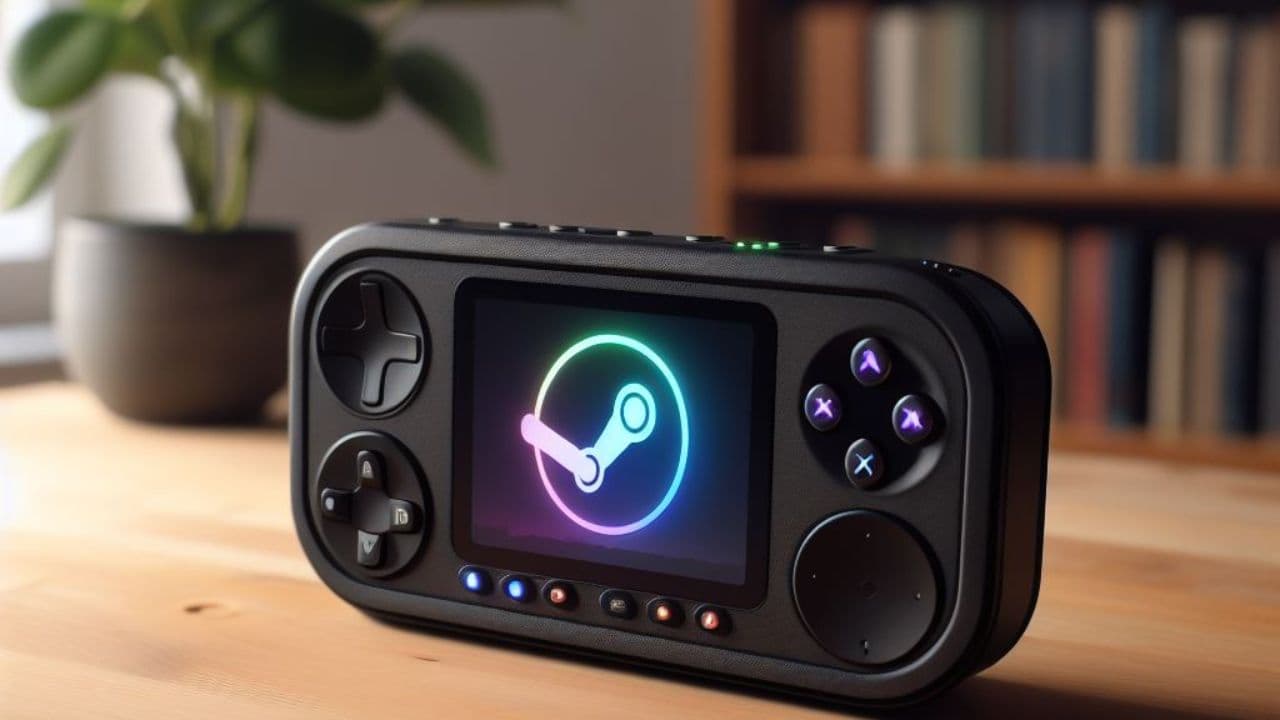
While the Steam Deck has carved a niche for itself since its 2022 launch, those anticipating an immediate successor will have to wait. Pierre-Loup Griffais of Valve recently confirmed that a follow-up to this popular handheld console isn't expected for at least a few years. This report examines what this decision implies for Valve, Steam Deck owners, and the broader gaming console market.
Valve's Official Statement on Steam Deck 2
Pierre-Loup Griffais communicated through an email to The Verge and CNBC that Valve has no immediate plans to release a successor to the Steam Deck. According to the statement, the company emphasizes offering a fixed performance target for developers. Valve is cautious about changing this performance level and only intends to do so when significant benefits can be realized without sacrificing power efficiency and battery life.
Performance Over Incremental Upgrades
Unlike smartphones or laptops that often see annual hardware refresh cycles, gaming consoles generally have longer shelf lives. This trend aligns with Valve's decision to potentially delay a new console announcement until at least 2024. The underlying reason is that any performance upgrade should be significant enough to warrant a new product while maintaining existing advantages like battery life.
Focus on Battery Life and Display
Although a new console is not on the immediate horizon, Valve is directing its attention toward improving other aspects of the Steam Deck. One of these areas is battery life. Another focus is the enhancement of the device's display, possibly incorporating a higher refresh rate, similar to what is seen in devices like the Asus ROG Ally.
Aligning with Industry Trends
High refresh rates and longer battery life are features that have been trending in the handheld gaming sector. Therefore, Valve's approach to enhance these specific aspects is in line with current market demands, thereby ensuring that the Steam Deck continues to remain competitive even without a hardware upgrade.
Software Updates: Deck OS 3.5 Preview
Alongside hardware considerations, Valve is also progressing on the software front. The company recently launched the Deck OS 3.5 Preview, which introduces several new features. These include a variable refresh rate, HDR compatibility when connected to an external display, and performance improvements specifically for the game Starfield.
Improvements in Color Reproduction
The Deck OS 3.5 Preview also brings improved color reproduction by switching to an sRGB color gamut. This feature contributes to enhanced visual quality, providing a better gaming experience for users.
Final Thoughts
Valve's decision to delay the release of a Steam Deck successor is rooted in a strategy that favors significant performance improvements and aligns with industry norms. By focusing on incremental software updates and specific hardware enhancements, the company aims to maintain the Steam Deck's competitive edge in the handheld gaming market.


