A Hybrid Box Demands Crystal-Clear Messaging
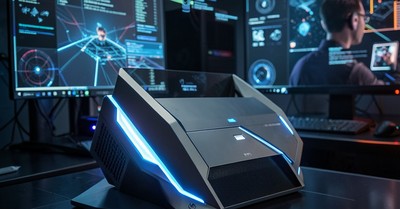
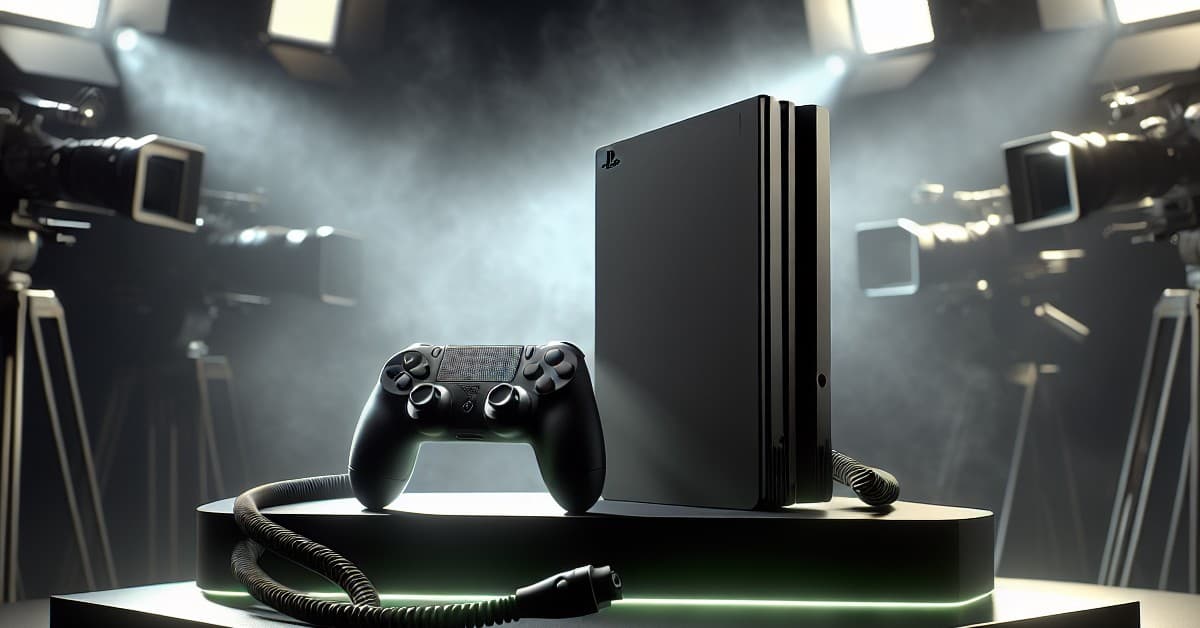
Project Helix won’t be a normal living-room console. It’s a hybrid PC/console box, and that makes the messaging as important as the silicon. Xbox has had a rough track record here since the Xbox One era—every time momentum builds, something trips it up. As one longtime Xbox watcher puts it, the brand keeps "stepping on a rake." Helix is the chance to stop doing that.
Microsoft has a genuine opening. Sony is reportedly closing ranks around a pure console strategy, and Nintendo isn’t touching PC. Meanwhile, the console market isn’t growing. That leaves Microsoft as the only platform holder leaning into the PC audience. If Helix is pitched like a traditional console, the point gets lost. It isn’t one.
Lead With What Only Helix Can Do
Assuming the rumors hold and Helix can sign in to Steam and other PC storefronts, the headline writes itself: it could play far more games than a PS5—or a future PS6. Say it plainly: Helix could be "the place to play the most games, both past and present. Period. End of sentence." That’s the marquee advantage. Put it on the box, in the trailer, and in the first 60 seconds of the reveal.
Make that promise feel real from day one. Even if a buyer never bothers to make a Steam account, the gargantuan PC catalog from the last 20 years would still sit a few button presses away. That’s a pitch both core and casual players can grasp in an instant: buy Helix, get access to more games than anywhere else.
Value matters, too. Steam sales are constant, with deep discounts surfacing every week. That turns Helix into a flexible living-room device for any budget—not just a home for high-priced first-party tentpoles. If Microsoft amplifies that angle, it reframes the conversation around savings and choice instead of sticker shock.
Two Audiences, Two Playbooks
Console-first players need to hear that Helix is purely additive. It should preserve the set-top experience they already like, offer a controller-first interface, and introduce PC access as a bonus, not a burden. Features like Quick Resume showed how a single, clear benefit can cut through; whatever Helix’s signature tricks are, explain them in that same crisp way.
PC-first players need a different pitch: bring your libraries to the couch without building or maintaining a rig. Sign in, download, play. If Helix truly supports multiple storefronts, that simplicity—plus the comfort of a TV setup—becomes a strong argument on its own.
Fix the Weak Spots: 2013 Lessons, Game Pass, and Naming
New Microsoft Gaming CEO Asha Sharma should revisit the 2013 playbook: the Xbox One reveal, the E3 press conference a month later, and PlayStation’s counterpunch 48 hours after that. Those six weeks are how Xbox lost the plot on messaging. Don’t repeat the easy mistakes. Step one, as the community keeps warning: "don’t give the Helix a name that’s easy to mock," the way "Xbone" was. "Xbox Helix" works; so do community suggestions like "Xbox Duo," "Xbox Fusion," or even just "Xbox." Pick the badge carefully, then wear it proudly.
Project Helix also calls for a posture change. For much of the last decade, Microsoft has reacted to rivals and sentiment rather than setting the tone. That has to flip. Helix’s campaign should "say it with your whole chest"—lead with strengths, repeat them, and own them. Fortunately, the software slate finally backs that confidence.
In the past 18 months, Microsoft has published STALKER 2, Call of Duty: Black Ops 6 and 7, Microsoft Flight Simulator 2024, Indiana Jones and the Great Circle, Avowed, South of Midnight, Doom: The Dark Ages, Ninja Gaiden 4, Keeper, Grounded 2, and The Outer Worlds 2. And the 2026 lineup? Forza Horizon 6, Fable, Gears of War: E-Day, Minecraft Dungeons 2, Halo: Campaign Evolved, plus the annual Call of Duty (likely Modern Warfare 4). Grand Theft Auto 6 could shift a date or two, sure, but the pipeline looks strong. If you’ve got the games, say so loudly—then make Helix the obvious home for all of them and thousands more from PC.
Game Pass needs sharper framing, too. A jump from $20 to $30 per month for Ultimate shredded goodwill, especially without a $25 stop on the way up. Microsoft doesn’t have to roll prices back to repair trust. It could rework the $15 Premium tier with an Audible-style voucher: earn one day-one first-party download credit for every three consecutive months subscribed, stackable through the year. Ultimate would still serve players who want everything on day one, while Premium gets a tangible, easy-to-understand perk that restores the "great value" narrative.
Exclusivity also needs straight answers. What’s Xbox-only, what’s timed, what’s multi-platform, and when? If Helix embraces PC storefronts, that complicates the picture unless Microsoft spells it out in plain language. Don’t hide the ball—publish a clear matrix and keep it updated.
If Microsoft states Helix’s purpose in plain language and repeats it without flinching—more games, better value, two smart pitches for two audiences—this hybrid box could reset the Xbox story for a stagnant console market. Miss the message, and a bold idea turns into another rake waiting in the yard.