
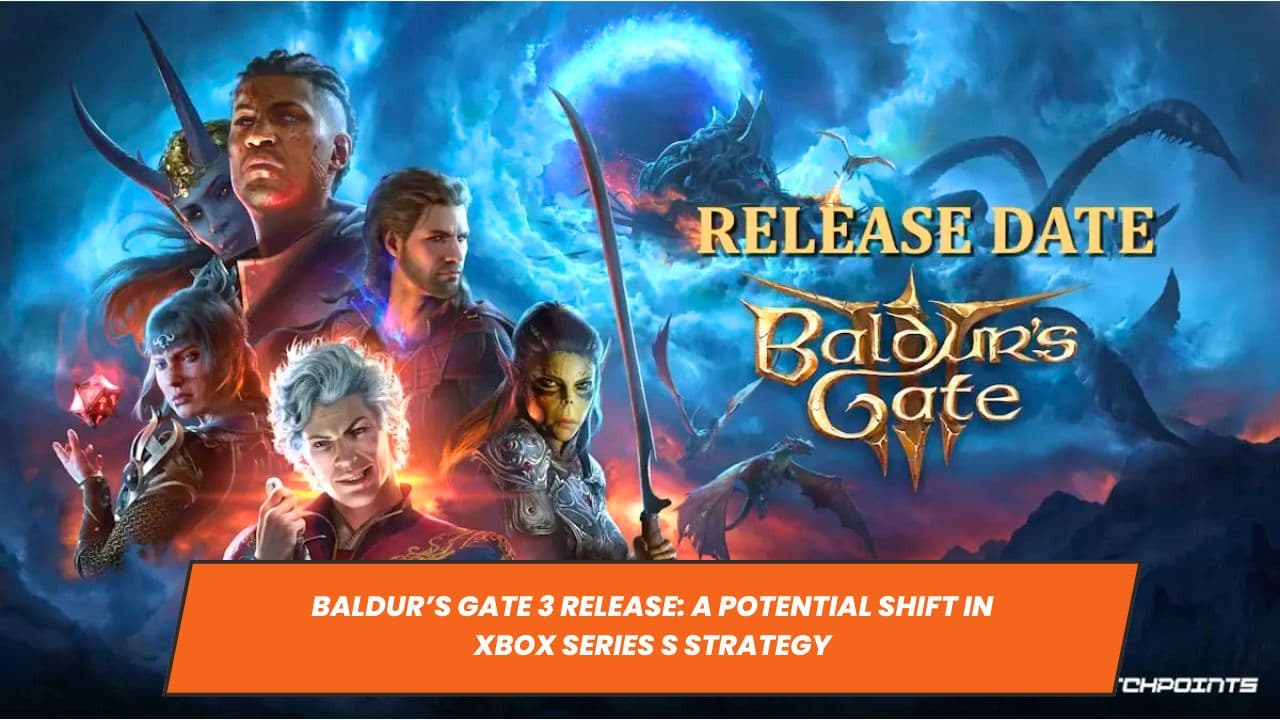
In recent days, the gaming world witnessed significant developments that have instigated debates concerning the future strategy of Xbox Series S. The focal point of this discussion has been around the release of Baldur’s Gate 3, developed by Larian Studios. This article delves deeply into this ongoing development, scrutinizing the multifaceted implications it holds for Microsoft and the broader gaming ecosystem.
Larian Studios and The Initial Stance on Xbox Series S

At the outset, Larian Studios appeared reluctant to release Baldur’s Gate 3 on Xbox Series S before 2024, primarily due to the challenges associated with achieving a sufficient performance level for the split-screen co-op mode on this platform. This hesitation stemmed from Microsoft’s stringent policy requiring gameplay feature parity across the Xbox Series X and S, and a preference for uniformity with PlayStation versions of multiplatform games.
Larian's initial hesitation could have been seen as a reflection of the limitations of the Xbox Series S, which, despite being a more affordable option, offers reduced power and features compared to its counterparts. Microsoft found itself in a quandary, faced with the possibility of missing out on hosting one of the year's most anticipated games due to its own policy restrictions.
Microsoft’s Concession: A Precedent in the Making?
To address this issue and expedite the release process, Microsoft extended support to Larian Studios, even allocating specialist engineers to assist with the development of the Series S version of Baldur’s Gate 3. Despite these efforts, progress was slow, leading to an intervention from Microsoft gaming chief, Phil Spencer. Spencer, recognizing the game's monumental success and the leverage it provided to Larian, decided to make an unprecedented concession: allowing the release of the game on Xbox without the co-op mode on Series S.
This decision, though seemingly minor, has far-reaching implications. It signifies a potential shift in the foundational strategy underlying the Xbox Series S hardware. Since its inception, the Series S was envisioned as a more economical alternative to the high-end Series X, offering compatibility with next-gen games at a reduced price point. This incident, however, brings forth questions on whether the Series S might inadvertently limit the quality of multiplatform releases, given its relatively weaker hardware specifications compared to the Series X and PlayStation platforms.
Technical Limitations and Developer Frustrations
The Xbox Series S is equipped with a central processor identical to that of the Series X, but it houses a substantially weaker graphics processor. Designed for displays with a resolution of 1440p or lower, the Series S manages to perform adequately for its intended audience. Nonetheless, it sometimes falls short in terms of frame rate performance and memory bandwidth, which potentially hindered the successful implementation of the split-screen co-op feature in Baldur’s Gate 3.
Moreover, the frustration among developers is growing, particularly those seeking to utilize cutting-edge technology or new engines like the Unreal Engine 5. For instance, TeamKill Media expressed dissatisfaction with the current performance level of their game, Quantum Error, on Series S, labeling it as "unacceptable". This emerging discontent hints at a potential trend where developers might either scale back their offerings for Series S or bypass it altogether.
Implications for Microsoft and Future Strategies
The concession made for Baldur’s Gate 3 could potentially trigger a wave of similar demands from other developers, pushing Microsoft to rethink its parity policy for Series S. Phil Spencer emphasized the commitment to ensuring game availability across both Xbox Series platforms. However, his recent remarks indicate a subtle shift away from feature parity, suggesting a possible change in approach towards accommodating distinct capabilities and limitations of each platform.
Furthermore, Spencer underscored the critical role of Series S in attracting a broader audience by offering an affordable entry point into the current generation of gaming. Given the unlikely reduction in component costs, the Series S serves as an alternative to traditional pricing strategies that relied on gradual discounts over the console’s lifespan. This aligns with Microsoft's goal to foster inclusivity in the gaming industry by making next-gen gaming accessible to a wider demographic, including lower-income households and younger players.
Conclusion
The release of Baldur’s Gate 3 has surfaced pertinent discussions surrounding the future of the Xbox Series S. Microsoft's decision to allow a feature-restricted version of the game on its platform indicates a potential shift in its strategy, possibly paving the way for similar concessions in the future. While the Series S serves as a vital tool in making gaming more accessible to a diverse audience, the unfolding developments suggest a nuanced complexity in balancing developer demands with the overarching goal of maintaining affordability in the gaming sector.
Balancing these aspects will be crucial in preventing the creation of a gaming underclass and ensuring a harmonious evolution of the gaming industry. It remains to be seen how Microsoft navigates these challenges in its pursuit to sustain a cohesive and inclusive gaming ecosystem.
The coming months are expected to witness further developments in this regard, offering insights into the evolving dynamics of the gaming industry and the role of platforms like the Xbox Series S in shaping the future landscape of gaming.


