Max And Chloe Take Over
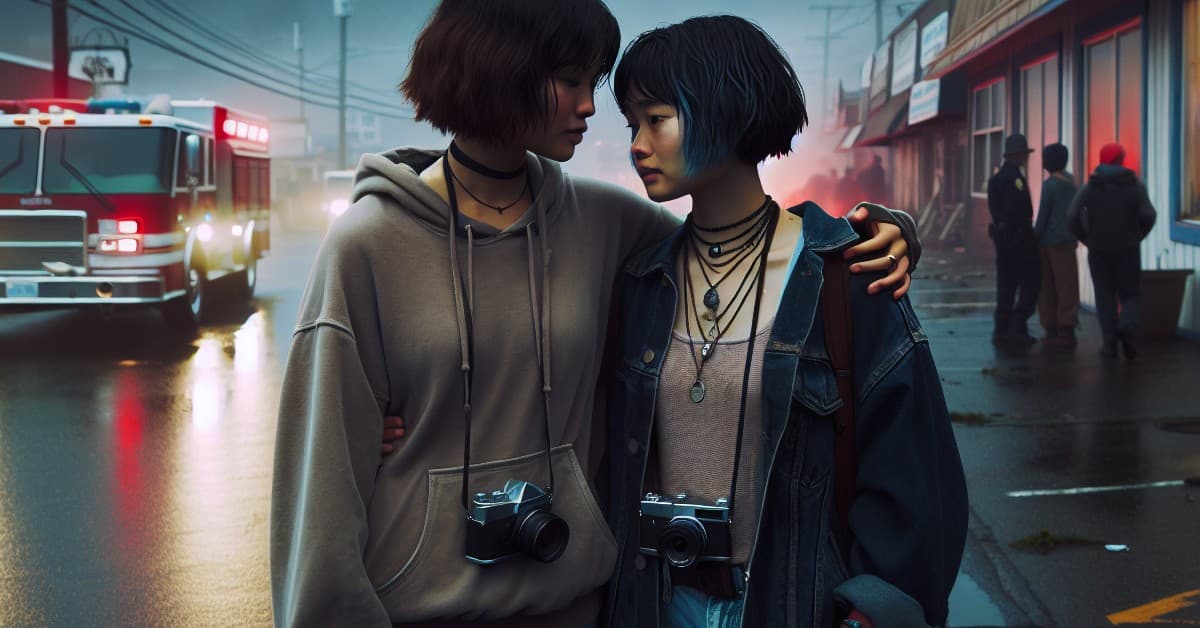
Max and Chloe are back together at last, and almost everyone else pays for it. Life is Strange: Reunion is laser‑focused on giving Pricefield diehards the reunion they’ve been asking for since 2015, even if that means bulldozing much of what Double Exposure set up and reducing side characters to scene dressing. It plays like two different games spliced together: the one Deck Nine pitched, and the one it felt obliged to ship.
The original Life is Strange worked because everything orbited two people—Max Caulfield and Chloe Price—through one week, one power, and one brutal choice: Arcadia Bay or Chloe’s life. Deck Nine has handled every entry but the first, and returned Max in Double Exposure with new friends, new romances, and time‑adjacent tricks. Reunion finally pairs Max and Chloe on screen again, and the intent is obvious from the first major needle drop. When Foals’ "Spanish Sahara" swells during their meeting, it lands hard—especially for those who chose Bay over Bae a decade ago.
We will never get a game quite like 2015's Life is Strange ever again.
That longing hangs over Reunion, but so does a clumsy structure. Reunion feels much like those merged timelines, strangely mushed together. Scenes sprint toward intimate Max/Chloe beats—breaking into places like old times, a soft handhold on a lake at sunset, a kiss at last—while everything around them trips over the finish line.
What Got Lost From Double Exposure
Double Exposure’s dangling threads barely survive. Safi’s ending had teed up a search for others with powers—a road‑trip mystery about responsibility and community. Instead, she spends most of Reunion hiding behind shapeshifts and lobbing passive‑aggressive jabs at Max’s impulsive rewinds. There’s a sharper version of this story, where Safi’s criticism bites and the fallout of Max’s choices ripples outward. Reunion blinks first. By the finale, her conflict snaps back with a tidy, unearned reset.
Diamond’s hinted evolution—telegraphed with that late‑game nosebleed—evaporates entirely. She’s missing from the story, relegated to a single optional phone call. For a series built on cause and effect, watching promising setups vanish stings. These characters feel less like people and more like scaffolding hastily pulled away so Max and Chloe can step into the spotlight.
A Fire With No Heat
To fill the vacuum, Reunion leans on a campus fire mystery that claims Moses’ life and, for a time, threatens to repeat Chloe’s fate. On paper, that’s potent: grief colliding with déjà vu, Max’s worst fear looping back on itself. In practice, the investigation sputters. Clues feel perfunctory, the pacing lurches, and the eventual culprit—who gets scant setup and thinner motivation—lands with a thud. It’s a twist without oxygen.
The irony is that the most compelling material here doesn’t actually belong to Max. Chloe’s evolving bond with Moses is the game’s clearest window into who she’s become on the "alive Chloe" timeline—less reckless, more reflective, still prickly in all the right ways. Moses, one of Double Exposure’s few survivors in spirit and screen time, slots neatly into Reunion’s tone and gives Chloe someone to push against beyond nostalgia. When their scenes click, you can glimpse the richer character study that’s fighting to get out.
The Moments That Still Land
For all the narrative drift, some grace notes hit. The writing occasionally rekindles that awkward, earnest cadence that made Arcadia Bay iconic—without overindulging the meme‑able one‑liners of old. More importantly, Max and Chloe’s chemistry still carries a room. When the game slows down long enough to let them talk—not quip, not wink, just talk—the emotions feel lived‑in. That’s where Reunion earns its name.
But those highs live inside a structure that keeps sacrificing everyone else. Safi’s hard edges are sanded off. Diamond is MIA. The fire plot hogs real estate only to step aside at the end, making way for fan service that, while affecting, arrives pre‑chewed. You can practically feel the design doc trying to thread four needles at once: honor Bay and Bae, resolve Double Exposure, critique Max’s power, and mount a new mystery. The stitching shows.
Where Deck Nine Goes Next
Reunion reads like a course correction from a smaller team under pressure, and you can see the pivots in the seams. I get why Deck Nine chased the crowd‑pleaser; Max and Chloe are the series’ beating heart. Still, Double Exposure’s cast deserved more than cameos and walk‑backs. If this is truly Pricefield’s farewell, it needed the confidence to give their old friends a future too.
There’s a path forward. Commit to a cleaner premise, build arcs that stand without Max/Chloe scaffolding, and treat powers as consequences rather than conveniences. Reunion proves the spark’s still there. Next time, let it burn for everyone on screen, not just for the two who started the fire.