
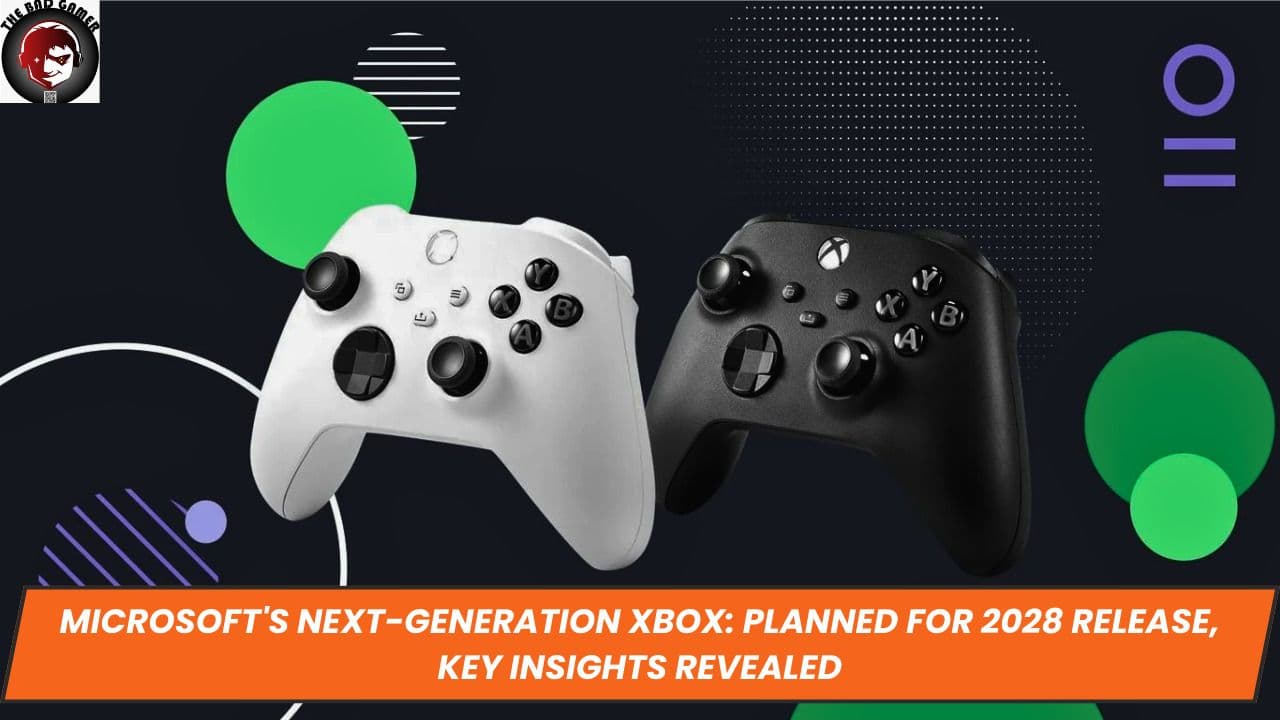
New information has come to light about Microsoft's plans for its next-generation Xbox, projected to be released in 2028. The details were unveiled during a court case between Microsoft and the Federal Trade Commission (FTC) concerning Activision's takeover of Blizzard. Key considerations for the upcoming console include whether to continue with fixed hardware or to adopt a more flexible approach, akin to Windows. This article aims to delve into each topic in detail, based on the facts available.
Hardware Specifications: A Shift in Perspective?
During the meeting of senior Microsoft executives in May 2022, one topic that generated much discussion was whether the next Xbox would continue to use fixed hardware characteristics. Consoles have traditionally provided a clear platform for developers, aided by a Game Development Kit (GDK). The meeting questioned whether this fixed approach would be maintained.

Kevin Gammill, Corporate Vice President of Gaming Ecosystems, addressed this point. According to Gammill, Microsoft started to shift toward more flexible hardware with the Xbox One and Xbox One X. This trajectory has continued with the Xbox Series S/X. It is reasonable to infer, then, that the next-generation Xbox could continue this trend toward hardware flexibility.
Timing of the Launch: An Autumn 2028 Release?
Microsoft lawyers provided statements to the UK Competition and Markets Authority last year, in which they indicated that the next new generation of consoles is not expected to arrive until autumn 2028 at the earliest. This corroborates the information discussed in the senior executives' meeting and sets a prospective window for the launch of the new hardware.
Mid-Cycle Hardware Refresh: Not a Priority
Phil Spencer, the Xbox chief executive, has also weighed in on the timing of new hardware. He stated in June that a potential mid-cycle hardware refresh for the Xbox Series X is not a current priority for Microsoft. This sentiment was reiterated in an interview published last month. Given this position, it appears that Microsoft is squarely focused on its next major hardware release, rather than incremental updates.
Fixed or Flexible: A Continuation of Current Trends?
A pivotal question remains: will the next Xbox abandon the fixed hardware specifications that have been a hallmark of consoles for years? While Kevin Gammill didn't provide a definitive answer, his statement does suggest that Microsoft is interested in offering more flexible hardware capabilities. The evolution from Xbox One to Xbox Series X offers some precedent for this, as the company has increasingly embraced a more adaptable hardware structure.
Conclusion
The next-generation Xbox, tentatively planned for an autumn 2028 release, presents several points of interest. Whether Microsoft will continue the trend of flexible hardware, started with the Xbox One and Xbox One X, is a significant question. The time frame for the launch seems to be settled, with no plans for a mid-cycle refresh for the current Xbox Series X. While many specifics remain unknown, these insights offer a fascinating glimpse into Microsoft's strategic considerations for its next big venture into the gaming world.


