MSI has entered the handheld gaming market with the Claw A1M, a device that showcases both promise and pitfalls. Priced at $800 for the Core Ultra 7 model, the Claw A1M aims to compete with established rivals such as ASUS and Lenovo. Despite its strong design and features, the Claw A1M struggles to justify its high price tag due to its performance and late entry into the market.
Design and Display: Straightforward but Effective
MSI has taken a familiar approach with the design of the Claw A1M, creating a device that closely resembles the ROG Ally but with a few notable tweaks. The Claw’s black exterior and more pronounced grips offer a comfortable hold, and the smaller rear paddles are less prone to accidental presses.
One of the standout features of the Claw A1M is its 7-inch 1080p IPS LCD display. The screen is colorful and reaches a brightness of approximately 450 nits, making it suitable for use in well-lit rooms. However, the lack of variable refresh rate and the inability to match the Legion Go's larger 8.8-inch OLED panel are drawbacks. Additionally, MSI missed an opportunity to include a case, which Lenovo provides with the Legion.
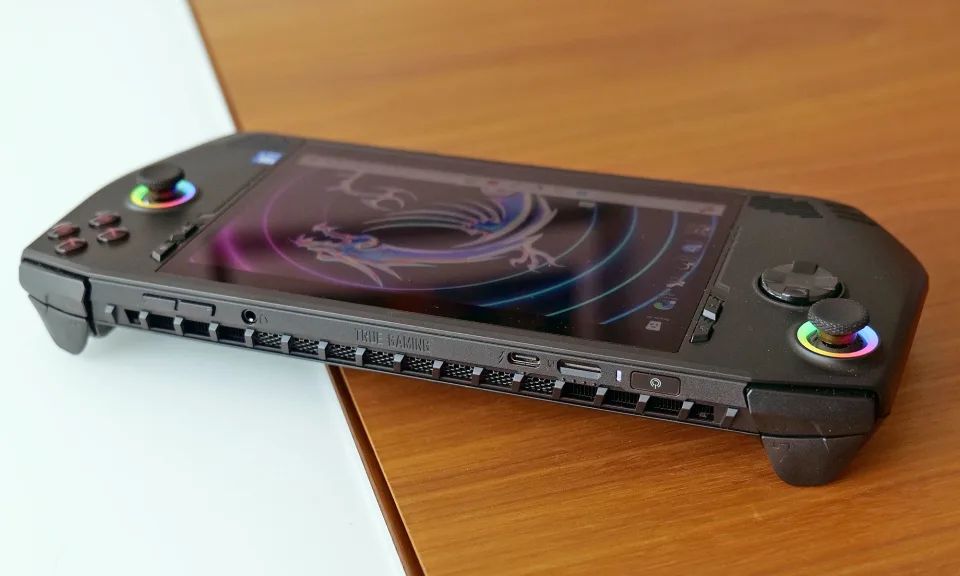
The Claw A1M includes thoughtful hardware elements like a built-in microSD card reader, 3.5mm audio jack, and a single USB-C port with Thunderbolt 4 support. While the inclusion of Thunderbolt 4 is advantageous for connecting peripherals, having only one USB-C port limits accessory options.
Performance: Struggling to Keep Up
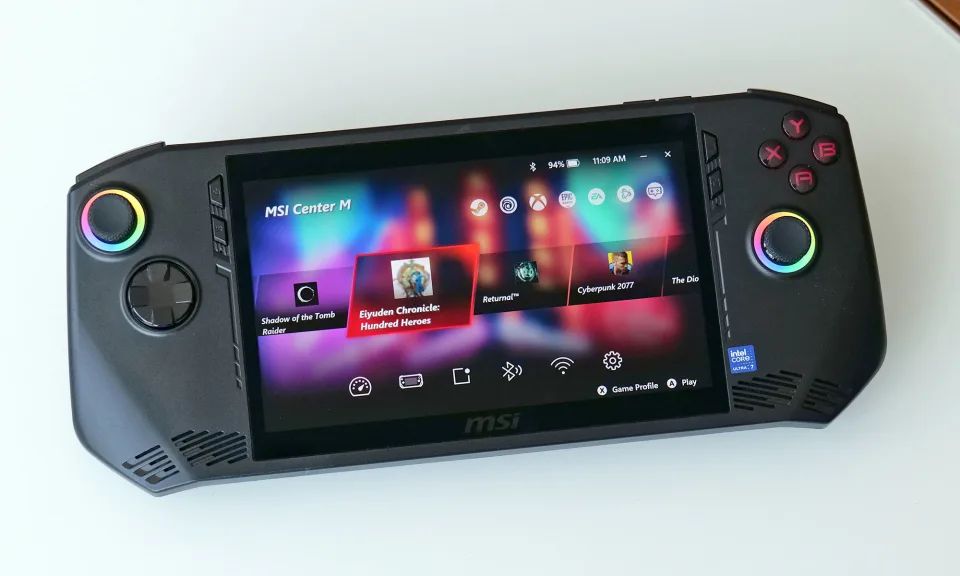
Equipped with an Intel Core Ultra 7 155H CPU, Arc graphics, 16GB of RAM, and a 1TB SSD, the Claw A1M appears well-prepared on paper. However, real-world performance tells a different story. Despite MSI’s claims that the Claw would outperform AMD-based competitors by 20 to 25 percent, tests show it barely keeps up.
In "Shadow of the Tomb Raider" at 1280 x 720 with high graphics settings and in Balanced Mode (30 watts), the Claw achieved 52 fps, trailing slightly behind the ROG Ally's 54 fps at 15 watts. Switching to Extreme Performance mode (35 watts) only marginally improved the Claw's framerate to 59 fps, compared to the Ally's 60 fps at 25 watts.
Similar results were observed in "Cyberpunk 2077" and "Returnal," where the Claw either matched or slightly lagged behind the ROG Ally. The root of these performance issues seems to lie in the Claw's optimization and graphics drivers. Despite multiple updates and BIOS flashes, including a significant May update that boosted performance by 30 percent in some titles, the Claw still struggles to meet expectations.
Battery Life: Falling Short
With a 53Wh battery, the Claw A1M should theoretically offer longer runtimes than its competitors. However, its higher total device power (TDP) offsets this advantage. In "Diablo IV" on medium graphics, the Claw lasted 1 hour and 43 minutes, slightly better than the ROG Ally's 1 hour and 31 minutes but still behind the Steam Deck’s 2 hours and 7 minutes.
Software: Clunky and Unpolished
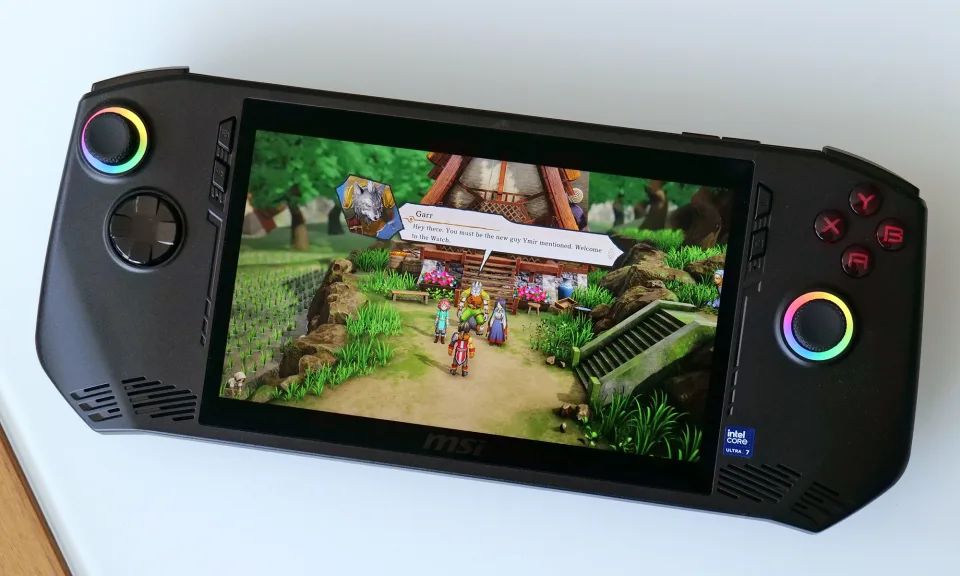
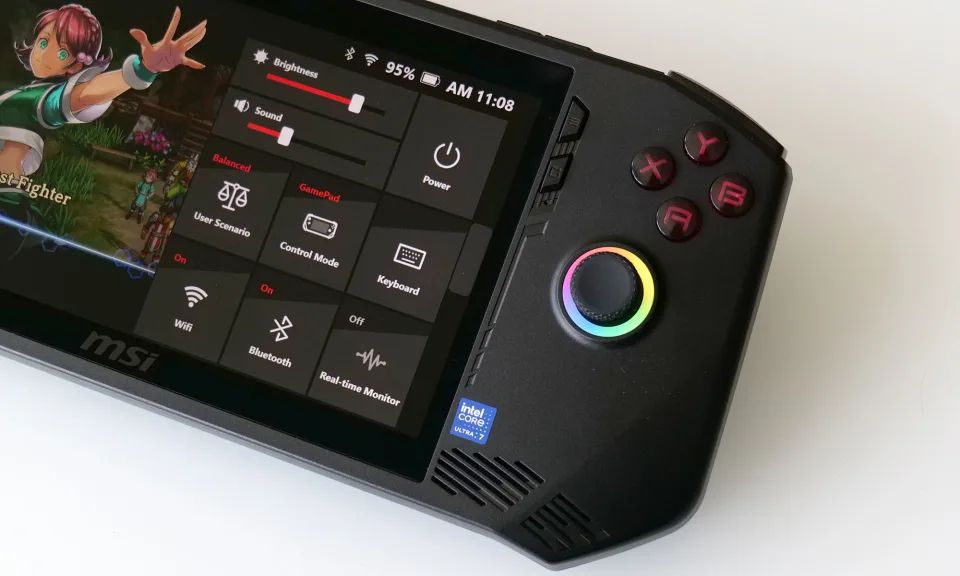
Windows 11 runs as expected on the Claw A1M, but the MSI Center app, designed for launching games, tweaking settings, and downloading updates, feels clunky. The app often stutters upon opening, and updates can stall, reflecting a lack of polish compared to similar apps like ASUS’ Armoury Crate.
Final Thoughts
The MSI Claw A1M entered a competitive market with high expectations but falls short due to performance issues, high price, and a late entry. While its design and feature set are commendable, the Claw A1M struggles to compete with cheaper and more refined rivals like the ROG Ally and Legion Go. Upcoming releases from competitors and even MSI's announcement of a successor, the Claw 8 AI+, place the Claw A1M in a challenging position. Although it is not a bad handheld gaming PC, it arrived too late and without the necessary fine-tuning to stand out in a crowded market.