Sticker Shock Hits Hard
A near-overnight 48 percent jump just turned Lenovo’s top Legion Go 2 into a $2,000 handheld. That’s not a halo laptop or a boutique desktop—it's a portable with detachable controllers now priced like a premium rig.
Lenovo launched the Legion Go 2 last fall with two trims: an AMD Ryzen Z2 model with 16GB of RAM at $1,100, and a Ryzen Z2 Extreme with 32GB at $1,350. As spotted by Videocardz, major retailers like Best Buy now list the lower-spec model at $1,500 and the higher-spec at $2,000. The cheaper version climbed by $400; the top-end one shot up by $650 in a single move.
Remember when the ROG Xbox Ally X caused “sticker shock” at $1,000? That number suddenly looks like a bargain next to Lenovo’s new pricing. Handhelds were always enthusiast toys, but this leap pushes them into a tier many players simply won’t consider.
Why Prices Are Spiking
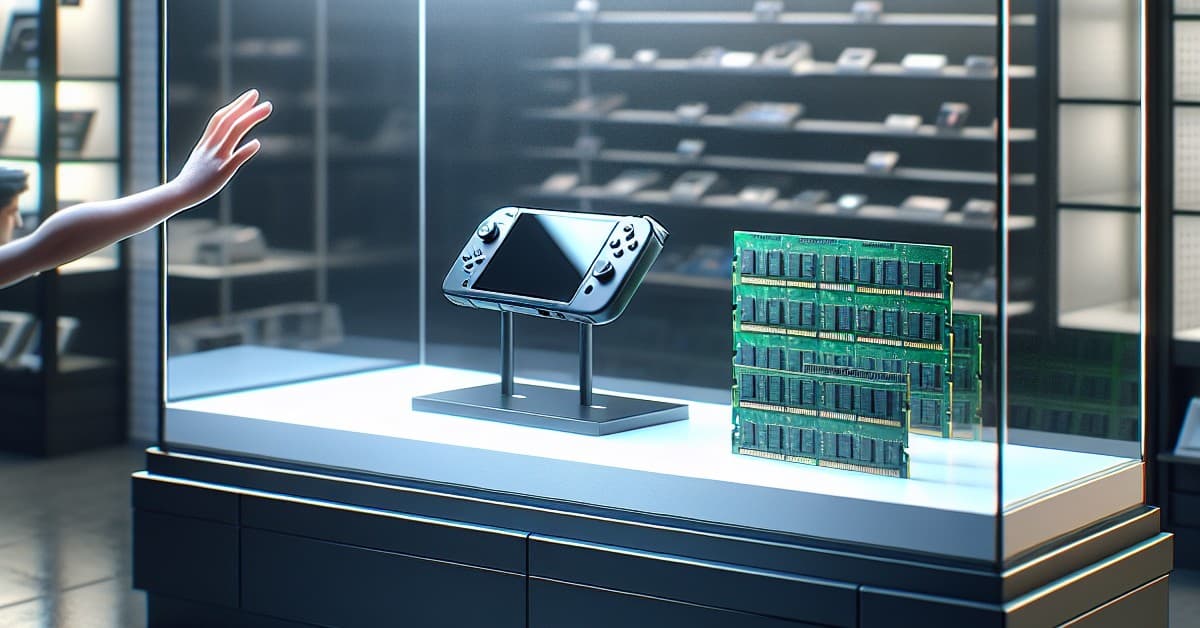
Blame memory. DRAM costs have surged on the back of AI demand, and high-capacity LPDDR is especially painful. High-end handhelds chase 32GB to keep Windows and modern games snappy, but every extra gigabyte now carries a steep premium. The result is what many are calling an “AI-fueled RAM crisis.” Or, as the more colorful line goes, the “AI-fueled RAM crisis racks up another kill.”
The fallout isn’t limited to Lenovo. Chinese maker Ayaneo recently canceled its top-of-the-line, “no compromises” handheld because the RAM shortage would have forced the device to “double the price” from $2,000 to $4,000. When a boutique brand pulls the plug on its flagship rather than ship it at twice the cost, you know the bill of materials has gone sideways.
The Value Problem At $2,000
To be clear, the Legion Go 2 has a lot going for it. It’s a chunky, feature-packed unit with a large display that reviewers have called “the best screen” among current high-end handhelds. Performance is strong for its class, and the detachable controls give it a Switch-like flexibility that rivals lack. On paper, it’s a slick package.
Price ruins the pitch. Two grand for a portable Windows machine makes sense only for a sliver of buyers—collectors, early adopters, or anyone channeling “Scrooge McDuck.” Everyone else will do the mental math: for that money, there are full PCs, consoles plus accessories, or entire backlogs of games to consider. Even consoles are feeling the squeeze; the PS5 has gotten pricier in places, and a new Switch likely won’t be cheap either.
There’s also the awkward comparison to last fall’s handheld wave. The original appeal mixed PC flexibility with couch convenience at a painful-but-justifiable cost. Once the price hits $1,500 to $2,000, portability stops compensating for the compromises—battery life, thermals, and Windows friction—especially when a gaming laptop or desktop will still run cooler, faster, and for longer sessions.
Momentum, Stalled
Handheld PC gaming had momentum heading into the holidays, buoyed by credible hardware and a stream of software updates. This surge in pricing could erase that progress. As one blunt assessment put it, this move “seems likely to kill any remaining momentum” the category had.
Platform holders seem wary too. Valve hasn’t announced the price or ship date for its next hardware push—“No wonder Valve is still hiding,” as the line goes—while fans keep asking about a Steam Deck 2. If memory volatility continues, expect long timelines and conservative specs rather than flashy RAM counts that blow up budgets.
Could makers pivot? Cutting RAM back to 16GB would trim costs, but Windows overhead and modern textures make that a hard sell for buyers eyeing AAA releases. Shipping with slower memory wouldn’t help either. The saner play may be limited runs, aggressive promos when RAM contracts soften, or modular SKUs that let enthusiasts pay for 32GB while keeping a mainstream 16GB option alive.
For now, patience looks like the smartest accessory. If you’re tempted by a Legion Go 2, wait and watch pricing over the next quarter; component markets move in cycles, and sales will eventually test the ceiling. Until DRAM stops dictating the bill, the handheld boom sits on pause—still promising, still exciting, but priced like a luxury that fewer players can justify.