
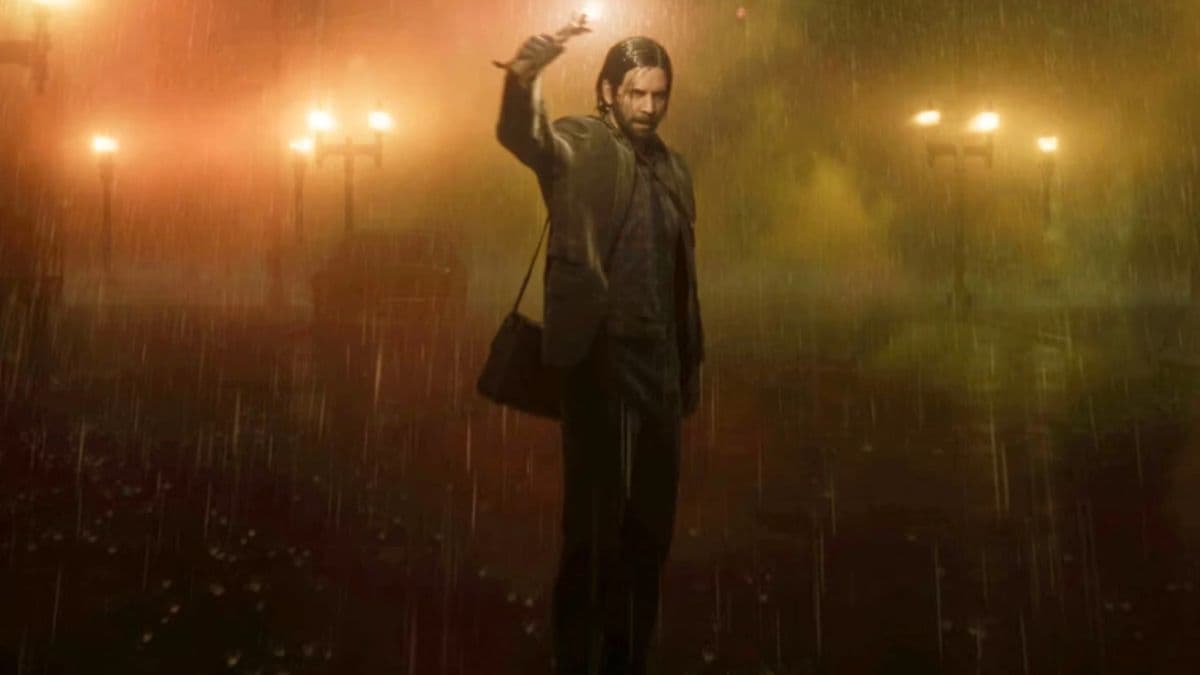
Alan Wake 2 is the long-awaited sequel to the critically acclaimed Alan Wake, an action-adventure game that was first released in 2010. Developed by Remedy Entertainment, the original game gained a devoted following and left fans clamoring for a sequel for more than a decade. After the success of Remedy Entertainment's recent game, 'Control,' expectations for Alan Wake 2 were sky-high. The sequel is now available on PlayStation 5, Xbox Series X/S, and Windows, and it delivers on many fronts. It not only pays homage to the original but also introduces new gameplay elements and a captivating storyline. For the purpose of this review, it should be noted that the review code was provided by the publisher for PlayStation 5.
Storyline: Psychological Thriller Meets Investigative Drama
Alan Wake 2 follows in the footsteps of its predecessor as a psychological thriller with a rich, complex storyline. This time, players assume the role of Saga Anderson, an FBI agent investigating ritualistic murders in the fictional town of Bright Falls. The storyline eventually intersects with that of Alan Wake, the protagonist from the original game who has been missing for 13 years.
The game is structured in a television-like episodic format, enhancing the narrative engagement. Players can experience the story from the perspectives of both Anderson and Wake, providing layers of complexity and unpredictability. The freedom to choose the order of some episodes adds to the immersive experience. Alan Wake 2 manages to preserve the mystery and supernatural elements that made the original a hit while introducing novel narrative techniques and surprising plot twists.
Gameplay: A Blend of Investigation and Action
The gameplay in Alan Wake 2 builds upon the mechanics of the original and introduces new elements that enrich the experience. Players traverse various settings, from dense forests to Cauldron Lake, each rendered in meticulous detail. When playing as Saga Anderson, players can partake in investigation sequences that require examining evidence and solving puzzles.
This game offers three levels of difficulty: Story, Normal, and Hard. Each level adjusts the focus of gameplay and the resilience of enemies, ensuring that players can choose a mode that suits their preference for challenge or narrative immersion. For instance, the Story mode focuses primarily on exploration, reducing the enemies' combat capabilities.
Graphics and Visual Presentation
Alan Wake 2 is a visual masterpiece, thanks in part to the Northlight Engine. The game features stunning environmental details and character animations, elevating the visual experience to new heights. Players have the option to toggle between Quality and Performance modes, offering a balance between graphical fidelity and frame rate. While occasional frame drops were observed, these were not detrimental to the overall gaming experience.
Voice Acting: Narration that Complements the Story
Exceptional voice acting is another feather in the cap for Alan Wake 2. The dialogue writing and character performances are outstanding, adding emotional depth and believability to the narrative. This plays a significant role, given that the game uses a blend of real-life footage and gameplay to create an immersive story.
Verdict: A Worthwhile Journey
Alan Wake 2 delivers on almost all fronts and stands as one of Remedy Entertainment's finest offerings to date. With a gripping storyline, engaging gameplay, and top-tier graphics and voice acting, this sequel is a must-play for fans of the original as well as newcomers to the franchise.
Final Thoughts
Alan Wake 2 stands as a compelling continuation of a beloved franchise. It successfully integrates elements that made the original game iconic while innovating in storytelling and gameplay. While it does have minor shortcomings, they hardly overshadow the immense quality the game offers on multiple fronts.


