YouTube has enhanced its transparency measures by introducing automatic AI-generated content detection, particularly for photorealistic AI use, to combat misleading videos. This update aims to clearly label such content, ensuring viewers are aware of its artificial nature. The move follows a surge in fake AI-generated movie trailers and deepfakes misleading millions of viewers.
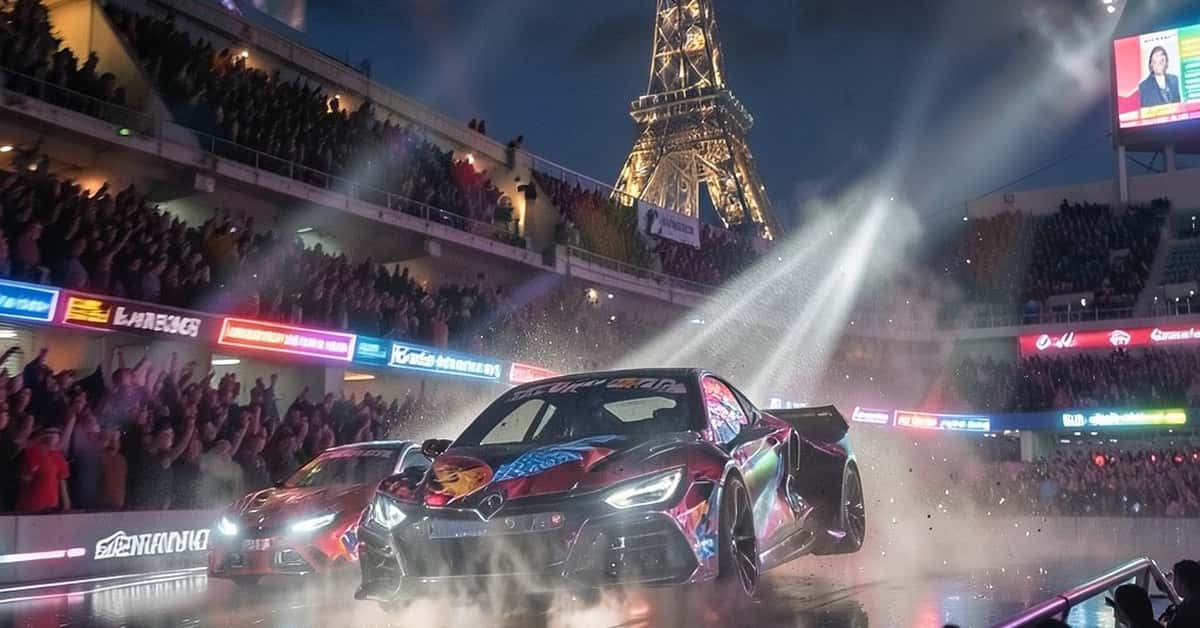
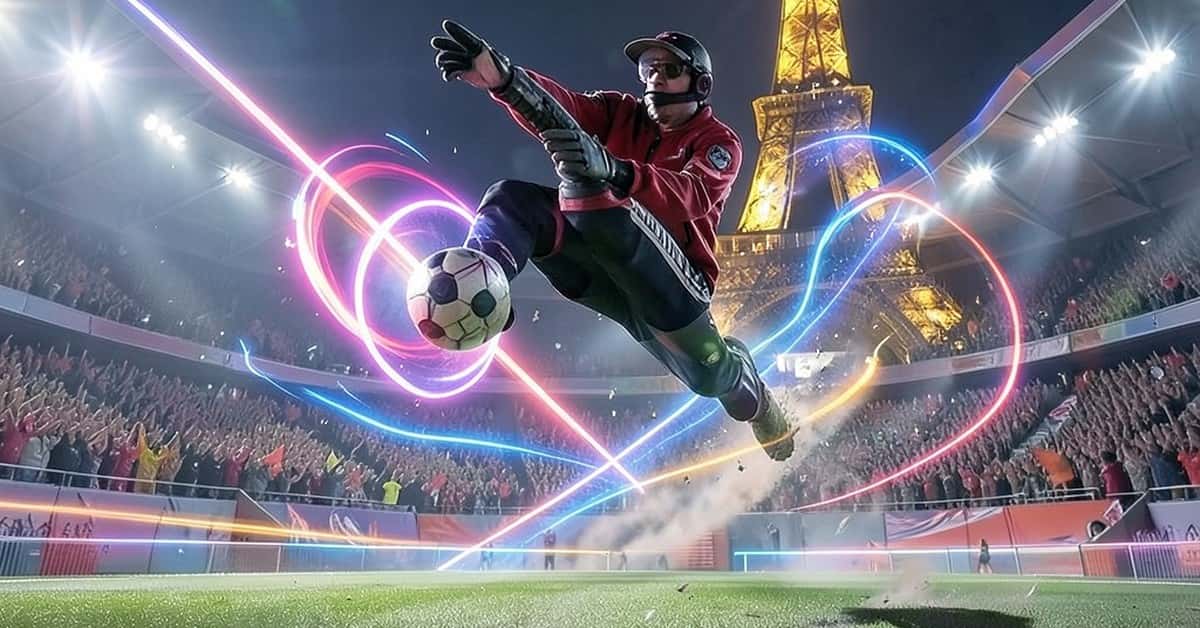
Rocket League, the beloved physics-based soccer game, is set to undergo its most significant update yet, migrating from Unreal Engine 3 to Unreal Engine 6. Unveiled at the Paris Majors, this update promises enhanced visuals, finer details, and a first look at Epic's next-gen engine. This move marks a new era for Rocket League, leveraging Epic's latest technology.
Get your first look at Unreal Engine 6 courtesy of a visually stunning Rocket League teaser, showcasing interoperable content and real-time cinematic visuals. Though lacking gameplay details, the trailer highlights a significant graphical leap. Rocket League's upcoming visual revamp, powered by UE6, promises a new era for the game.
Rocket League is transitioning to Unreal Engine 6, announced at the 2026 Rocket League Championship Series Paris Major, promising enhanced visuals but stirring concerns over potential physics engine changes. The move aims to modernize the game from its outdated Unreal Engine 3 roots. Fans and pros alike await the update with mixed emotions.
Rocket League unveiled its transformative leap to Unreal Engine 6 at the Rocket League Championship Series Paris Major, showcasing significantly enhanced visuals. The update promises a new era of gameplay with "shiny new visuals" captured in real-time. Details on the engine's specific advantages and release timeline remain scarce.
Epic Games has unveiled the first game to utilize Unreal Engine 6, and contrary to expectations, it's not a Fortnite title. This move signifies a strategic shift in showcasing the engine's capabilities through a less anticipated project. The chosen game promises to leverage UE6's advanced features, setting a new benchmark for graphical fidelity and gameplay mechanics.
Rocket League's Paris Major showcases the game's enhanced capabilities powered by Unreal Engine. Developers explain how the engine's features elevate gameplay and visuals. The Paris Major highlights the ongoing evolution of Rocket League's technical backbone.
Rocket League's Paris Major showcases the game's 11-year growth, fueled by Unreal Engine's powerful broadcast capabilities and a unique esports identity. With a $350,000 prize pot and 16 competing teams, the event highlights the game's "infinite skill ceiling" and physics-based gameplay. Developers discuss future collaborations and user-generated content inspirations from Fortnite.
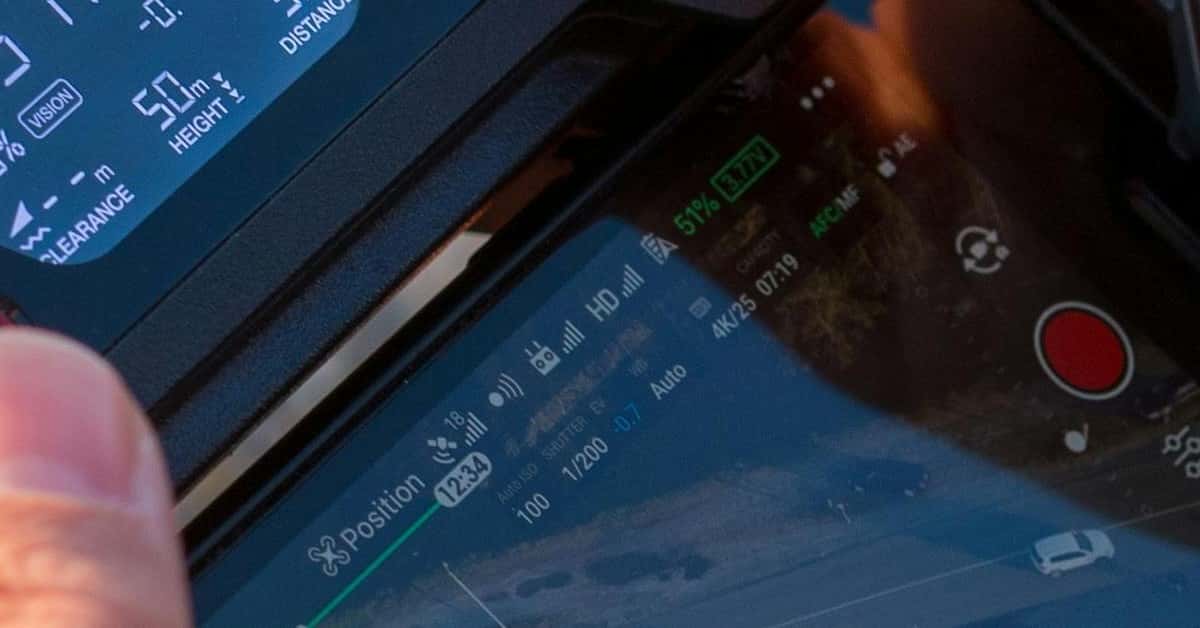
In a unique application of gaming technology, Ukrainian drone operators have adapted Grand Theft Auto 5 as an unconventional training tool. Developed by Rockstar Games, the game's versatile environment is being leveraged to enhance operational skills. This innovative approach highlights the game's unexpected utility beyond entertainment.
Linus Torvalds expresses frustration over the influx of unmanageable AI-generated bug reports in Linux kernel development, emphasizing that simply submitting AI-found bugs without added value wastes the team's time. He encourages contributors to go beyond AI tools by creating patches and adding real value. The Linux team may develop an automatic filtering tool to combat this issue.