
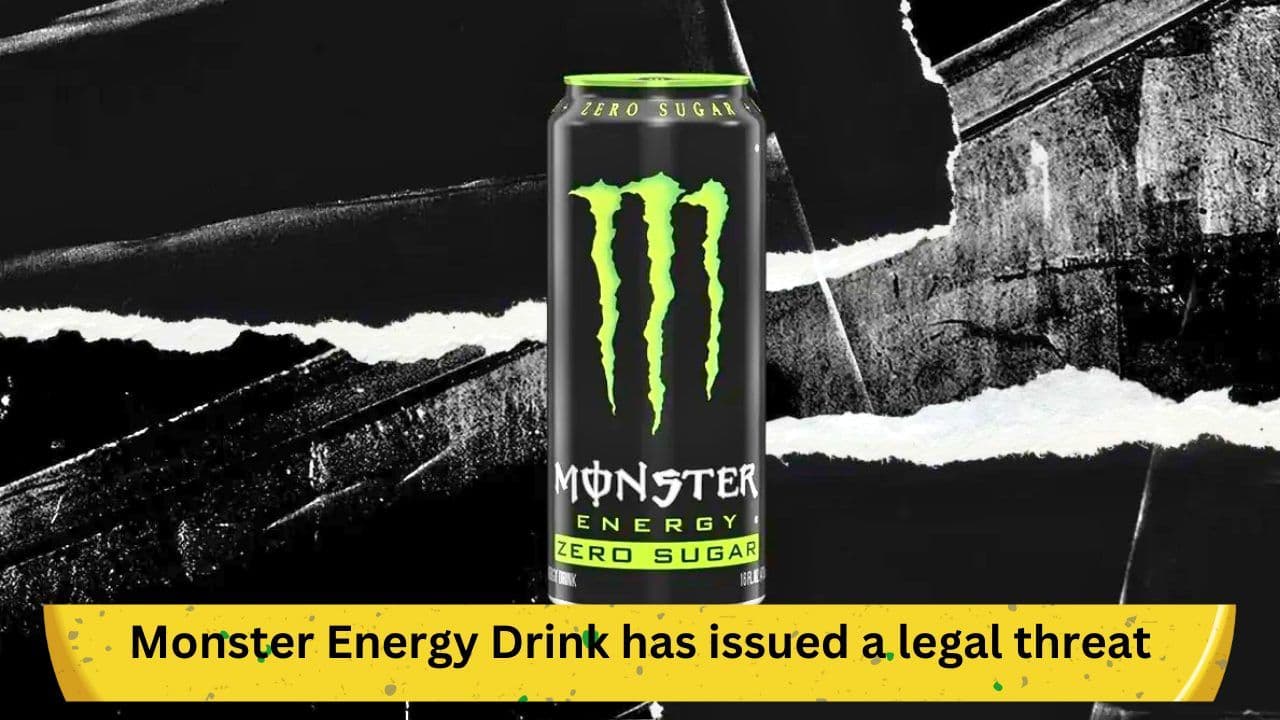
In recent years, the video game industry has seen a surge in popularity, with more people than ever before playing video games. As a result, the industry has become a major player in the entertainment world, generating billions of dollars in revenue each year. However, with this success has come controversy, including debates over intellectual property rights and the use of trademarked logos in video games. One such controversy has arisen between a game developer and Monster Energy Drink, which has issued a legal threat over the use of its logo in a video game.
The Use of Monster Energy Drink Logo in Video Game
The game in question is a popular racing game that features a variety of real-life cars, including several that are sponsored by Monster Energy Drink. The game developer included the Monster Energy Drink logo on one of the cars, which has now led to legal action from the company.
Monster Energy Drink’s Legal Threat
The legal threat from Monster Energy Drink has caused controversy among both gamers and legal experts. The company claims that the use of its logo in the game constitutes trademark infringement and dilution of its brand. It has demanded that the game developer remove the logo or face legal action.
The game developer, on the other hand, argues that the inclusion of the logo is fair use and does not infringe on Monster Energy Drink’s intellectual property rights. They argue that the logo is used in a descriptive manner to identify the car as being sponsored by the company. Furthermore, they argue that the use of the logo in the game does not dilute the Monster Energy Drink brand, as it is not used in a negative or defamatory way.
The Debate on Trademark Law and Creator Rights in Gaming Industry
This controversy has sparked a wider debate about the limits of trademark law and the rights of creators in the gaming industry. Some legal experts argue that Monster Energy Drink’s legal threat is unjustified, as the use of its logo in the game does not constitute trademark infringement or dilution of the brand. They argue that the logo is used in a descriptive manner and does not imply endorsement or sponsorship by the company.
Others argue that Monster Energy Drink has a legitimate claim, as the use of its logo in the game could lead to confusion among consumers and dilution of its brand. They argue that trademark law is designed to protect the rights of brand owners and prevent confusion among consumers.
The debate also raises questions about the rights of creators in the gaming industry. Some argue that game developers should have the freedom to use logos and other intellectual property in their games without fear of legal action, as long as they are used in a descriptive and non-defamatory manner. They argue that this promotes creativity and innovation in the industry.
Others argue that brand owners have the right to protect their intellectual property and prevent unauthorised use of their logos in video games. They argue that the gaming industry should be subject to the same trademark laws as other industries, and that game developers should obtain permission or licenses to use logos and other intellectual property.
Conclusion
The legal threat from Monster Energy Drink over the use of its logo in a video game has sparked a wider debate about trademark law and the rights of creators in the gaming industry. As the video game industry continues to grow and evolve, it is likely that these debates will continue. It is important for both brand owners and creators to understand the limits and protections of trademark law, and for the industry as a whole to develop fair and balanced standards for the use of intellectual property in video games.
In the case of Monster Energy Drink’s legal threat, it remains to be seen how the situation will be resolved. The game developer may choose to remove the logo from the game to avoid a legal battle, or they may choose to fight the claim in court. Whatever the outcome, this controversy highlights the importance of clear guidelines and protections for intellectual property in the gaming industry.
In conclusion, the use of trademarked logos in video games is a complex issue that requires careful consideration of both the rights of brand owners and the rights of creators. While trademark law is designed to protect the rights of brand owners, it is important for the gaming industry to develop fair and balanced standards for the use of intellectual property in video games. As the industry continues to grow and evolve, it is likely that these debates will continue, and it is important for all stakeholders to engage in constructive dialogue to promote creativity, innovation, and respect for intellectual property rights in the gaming industry.