Games Workshop has issued takedown requests for Warhammer 40,000 11th Edition mods in Tabletop Simulator on Steam, citing intellectual property protection. Popular mods like Hutber's map and ForceOrg have been removed, sparking a mixed reaction from the community reliant on them for remote play. The move reflects Games Workshop's strategy to preserve the tabletop experience's revenue.
A fan-made project based on "The Legend of Zelda: Ocarina of Time" has halted development in anticipation of legal action from Nintendo. This decision underscores the company's protective stance on its intellectual properties. The project's demise highlights the challenges faced by fan creators working with beloved, copyrighted franchises.
Nintendo's bid to patent Poké Ball-style capture mechanics for touchscreen devices has been denied by the Japan Patent Office, dealing a blow to its lawsuit against Palworld, a monster-taming survival game set to release on phones and tablets later this year. The decision cites lack of an "inventive step." This setback continues the ongoing saga since 2024, highlighting the challenges Nintendo faces in leveraging patents to protect its intellectual property in the gaming space.
WWE Undisputed Champion Cody Rhodes received a cease and desist from Nintendo for incorporating The Legend of Zelda's Triforce into his wrestling boots. Rhodes, a self-proclaimed Nintendo fan, believed the Triforce's principles applied to his character. Nintendo's legal action led to the removal of the design.
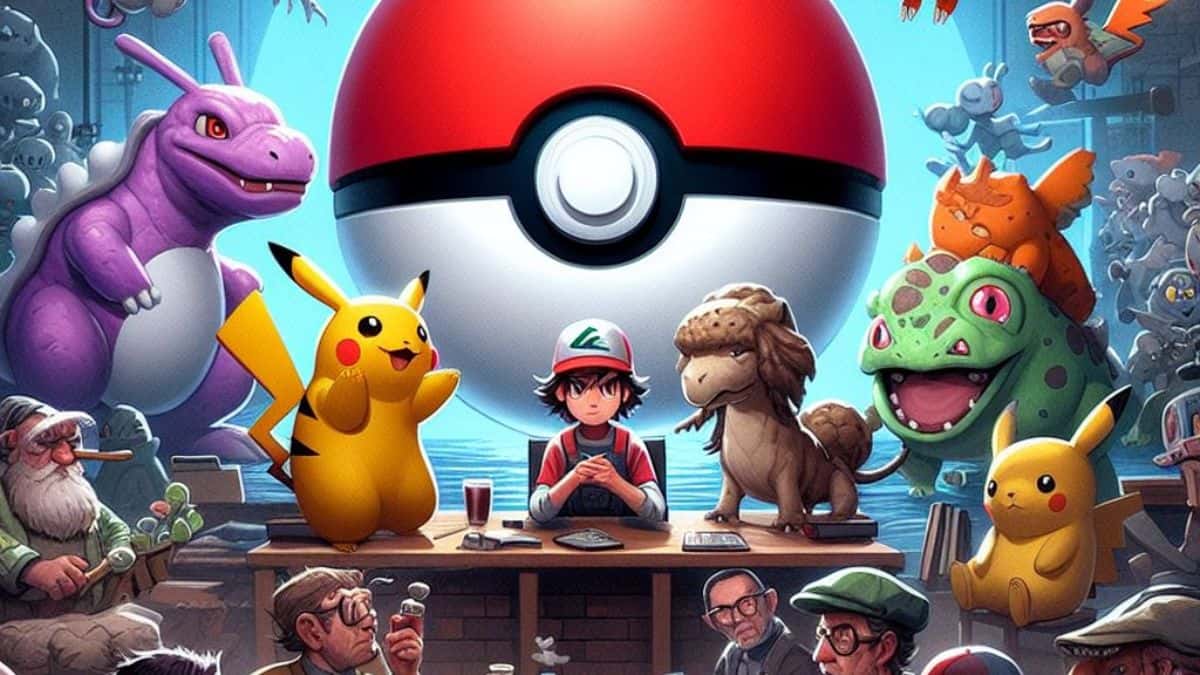
Nintendo issues a takedown for a mod video in Palworld that replaced pals with Pokémon, stirring discussions on intellectual property rights. Get insights into the controversy surrounding Palworld, a multiplayer survival crafting game
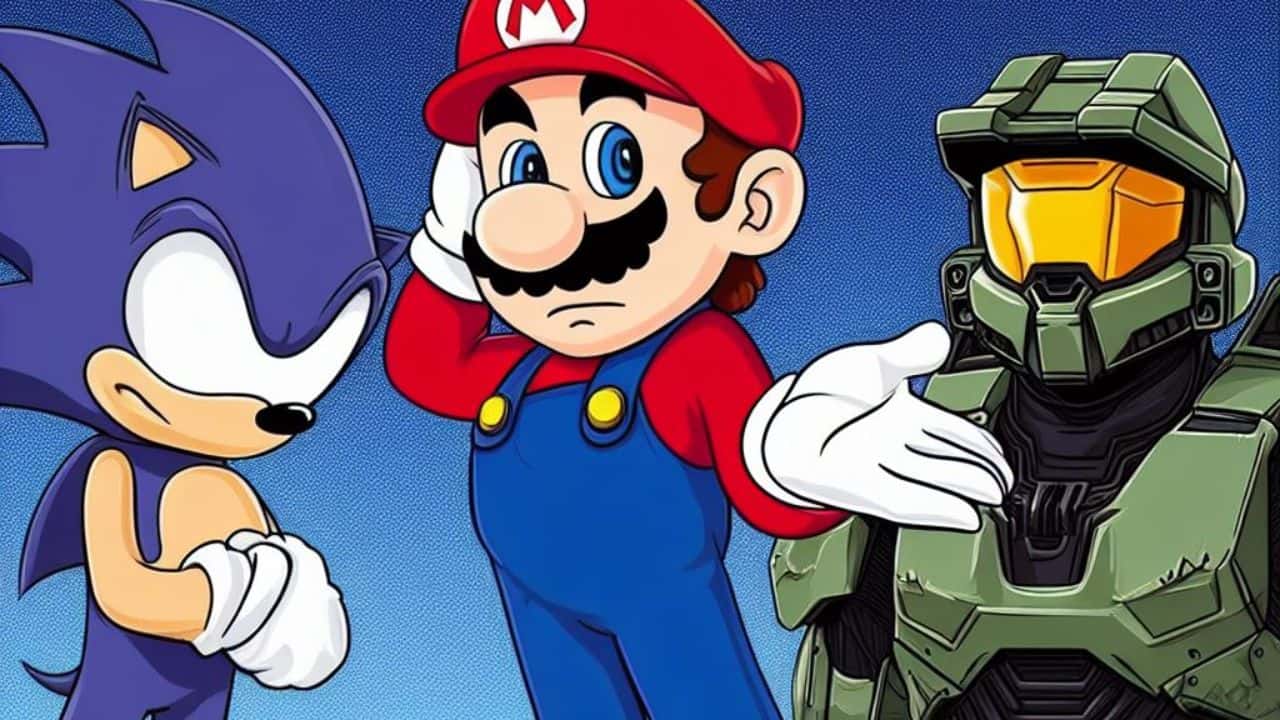
Explore the intricate dynamics and potential pitfalls of Microsoft's dream to acquire Nintendo. From clashing corporate cultures to varying gaming philosophies, this analysis dissects why such a deal would not benefit either company.
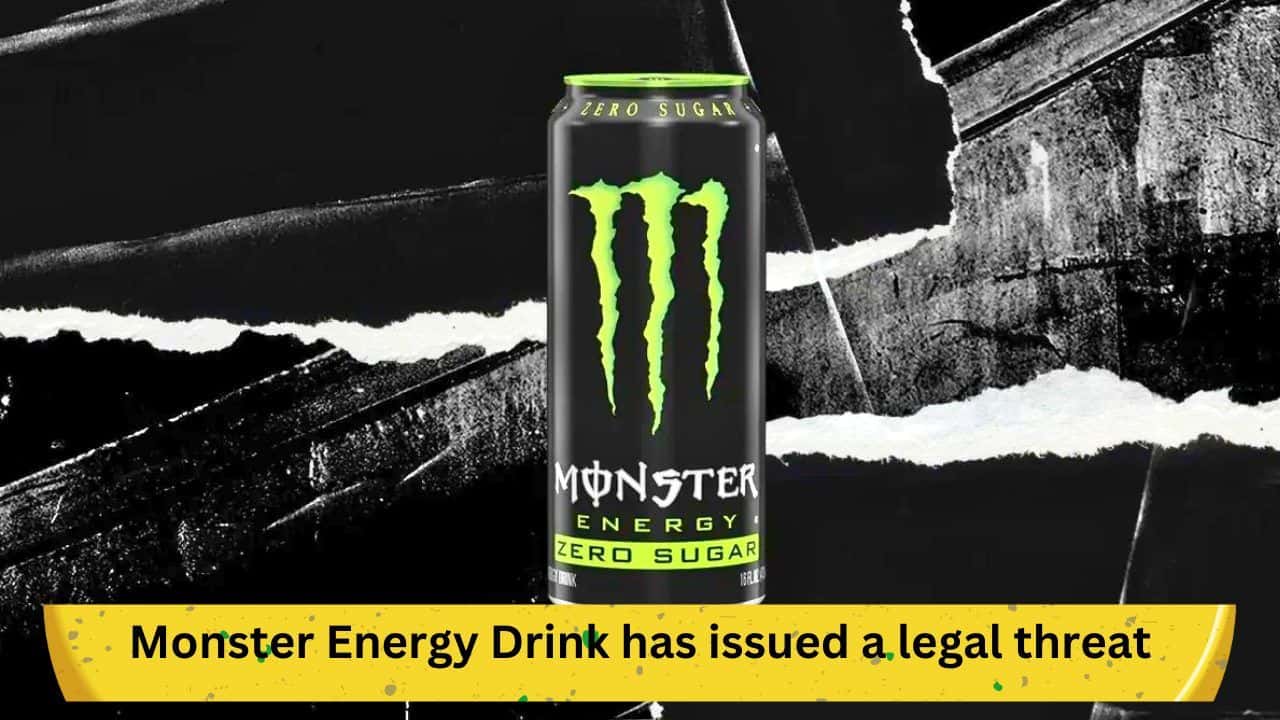
Monster Energy Drink has issued a legal threat to a game developer over the use of their logo in a video game. This move has sparked debate about the limits of trademark law and the rights of creators in the gaming industry.