A Hot Launch, Then A Slide
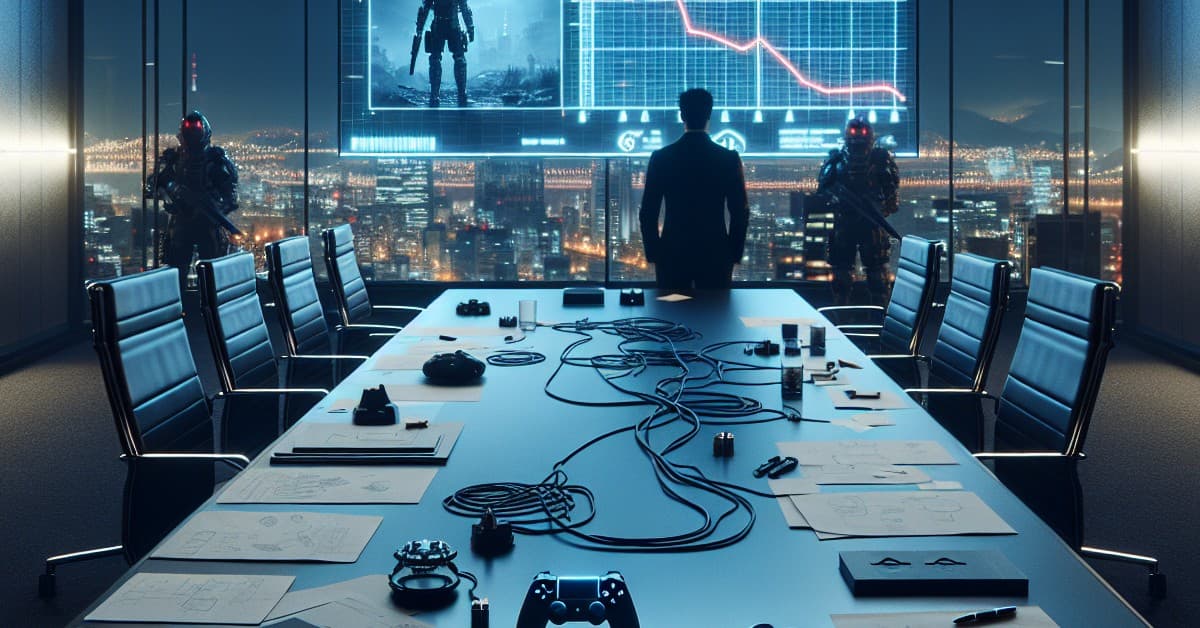
Ten million players showed up in week one; months later, only around 5,000 remain on Steam. Now Nexon CEO Junghun Lee is calling The First Descendant's problem what many players have felt for a while: "no staying power."
In a recent capital markets briefing to investors, the company labeled the Destiny-like's "retention challenges" in plain language. SteamDB backs up the trend, showing the free-to-play looter shooter hovering at roughly 5,000 concurrent players, far removed from its celebratory launch numbers. Reviews on Steam remain "Mixed," a status that dates back to its first week.
Momentum never quite turned into loyalty. PC Gamer's own early impressions called it a "dollar store Destiny," and that blunt sentiment echoes what Lee told investors. The message from the top: strong debut, weak reasons to keep coming back.
What Nexon Says Went Wrong
Lee contrasted projects that hit targets with those that didn't. Where games like Arc Raiders and MapleStory drew praise, The First Descendant appeared on a slide labeled "What Did Not Work" alongside Dungeon & Fighter Mobile. The diagnosis was sharp. Dungeon & Fighter Mobile, he said, "lost its way" after an impressive start: "The retention mechanics weren't strong enough to hold players long-term." He added it was the "same issue with The First Descendant: Strong launch, no staying power."
The most telling line followed: "These are design issues that are not fixed with a patch," Lee said. "They require structural changes to game mechanics." In other words, this isn't about tweaking numbers or buffing a few guns. It's about rethinking the core loop that ties combat, progression, loot, and endgame together.
That lines up with how the game landed. The First Descendant shipped with flashy gunfeel and eye-catching character models, even spawning headlines about jiggle physics and bizarre AI ads on TikTok. But beneath the sizzle, players struggled to find a long-term chase. When rewards, difficulty scaling, and buildcraft don't feed into each other, people burn through content and bounce.
Silence On A Fix
Here's the worrying part for fans: the investor presentation outlined ways Nexon plans to keep the Dungeon & Fighter franchise moving with future titles and updates, yet The First Descendant didn't come up again. No timetable, no roadmap tease, no new direction. For a live-service game that needs a clear plan to reengage lapsed players, that silence speaks volumes.
Live service recoveries do happen, but they tend to start with a frank admission of what's broken followed by a transparent rebuild plan. Lee has now supplied the admission. What’s missing is the path forward—and a signal that Nexon will invest the time and resources a "structural" overhaul demands.
What A Real Overhaul Would Mean
When executives say "structural changes," they’re talking about the spine of a looter shooter. Progress needs to feel meaningful every session, not just at milestone drops. That can require reworking how loot is earned, how players target specific items, and how mods or enhancements meaningfully change a build rather than nudging stats by single digits.
Distinctive playstyles also matter. If every Descendant funnels into the same meta loadout, experimentation dies fast. Deepening skill trees, introducing more impactful perks, and ensuring bosses reward varied approaches can make weekly log-ins feel fresh instead of obligatory.
Endgame is the clincher. Sustainable retention usually hinges on a ladder of activities—some short, some marathon-length—with escalating challenge and rewards that justify the time. That means revisiting difficulty tuning, making sure co-op synergies are worth coordinating, and designing encounters that do more than soak damage. Social systems help too: clans, matchmaking filters, and reasons to return with friends often matter as much as another gun roll.
Finally, a season model only works if each season has a clear theme, a new hook for builds, and a chase that doesn’t reset progress into frustration. If progression feels wiped or stingy, players don’t stick around to see the next pitch.
Right now, Nexon has a choice. A full rebuild of core systems could stabilize The First Descendant and give it a second life, but that takes time, design conviction, and visible communication. A few hotfixes won’t cut it—Lee said as much. If Nexon follows those words with a concrete roadmap and player-first changes, there’s a window to win back trust. Without that, those 5,000 concurrents could be the ceiling rather than the floor.