
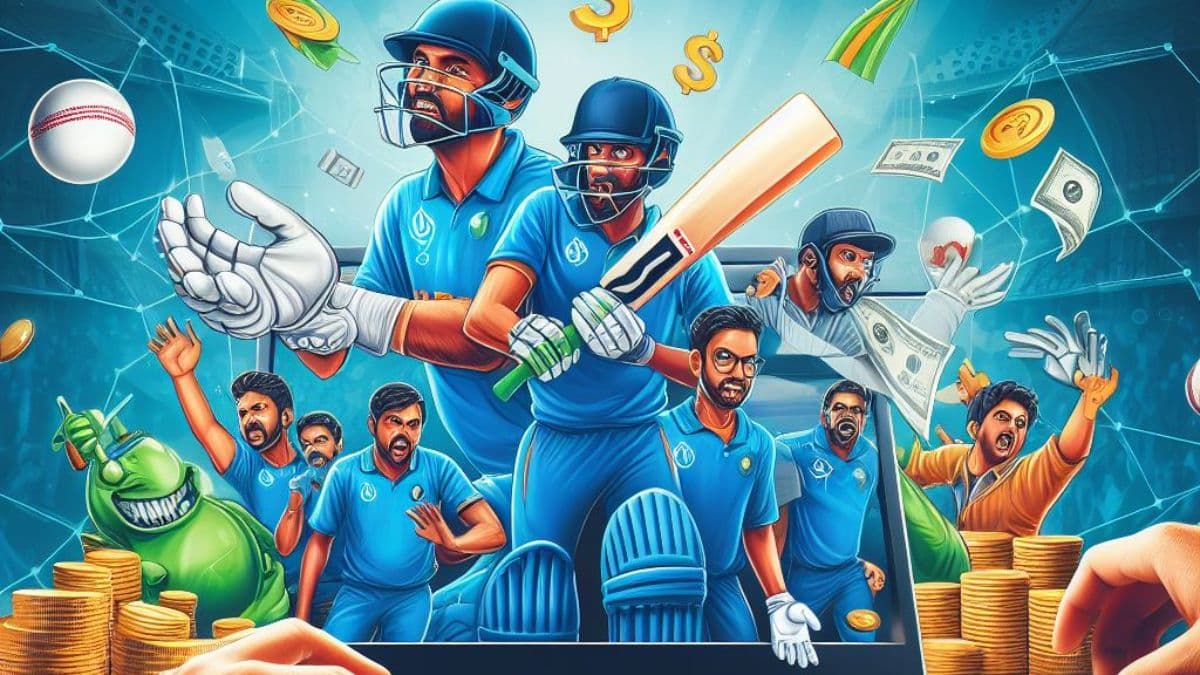
The fervor surrounding the ICC ODI World Cup in India is palpable. While the Indian cricket team has been performing well, a cloud hangs over the online gaming industry—a key contributor to cricket's business model. Surprisingly, this sector, which is the fourth-largest category in the Indian media and entertainment landscape, is grappling with numerous challenges, ranging from taxation issues to competition from offshore companies.
The Golden Period: Rise of Online Gaming Amid COVID-19
When the COVID-19 pandemic started in early 2020, the online gaming industry in India witnessed unprecedented growth. The sector attracted a large number of subscribers, and its business viability caught the attention of both government and industry leaders. Yet, the very industry that thrived on cutting-edge technology and smart product offerings is now facing a series of hurdles that go beyond the issue of high taxation.
The Economic Landscape: Projections vs Reality
Projected to become a $5 billion industry by 2025 with a Compound Annual Growth Rate (CAGR) of between 28-30%, the online gaming sector had the wind beneath its wings. Added to that, its subscriber base was expected to reach a staggering 500 million within the next two years. However, this promising outlook has taken a hit. Tax authorities have begun scrutinizing the real money gaming business more closely, imposing retrospective dues for the years 2017 to 2022.
The Taxation Dilemma: A New Impediment
Starting from October, a 28% Goods and Services Tax (GST) has been levied on deposits in the gaming sector. Industry leaders view this new tax imposition as a significant barrier to profits. Furthermore, the feeling among several large companies is that the competitive landscape has been distorted. This is primarily because a few operators are maneuvering to seize control of the industry in India.
The Offshore Threat: A Cause for Concern
Despite its significant local growth, the online gaming sector faces stiff competition from offshore betting companies. These companies pose a considerable challenge, especially in the current atmosphere where domestic companies are already grappling with taxation and regulatory issues.
A Change in Focus: Shifting Geographies
Given the challenges, at least three major platforms have decided to pivot. They are now focusing their efforts on Europe, the Americas, and Africa. This shift is also affecting investment sentiments, as investors have become increasingly cautious about infusing capital into Indian operations.
Final Thoughts
The conundrum facing India's online gaming industry is complex and multi-faceted. Despite the cricket fervor brought on by the ICC ODI World Cup, the industry is navigating through uncertain times. Issues such as new tax impositions and offshore competition have put a damper on what was once considered a booming sector. It remains to be seen how the industry will adapt to these challenges and whether it can reclaim its trajectory of rapid growth.


