
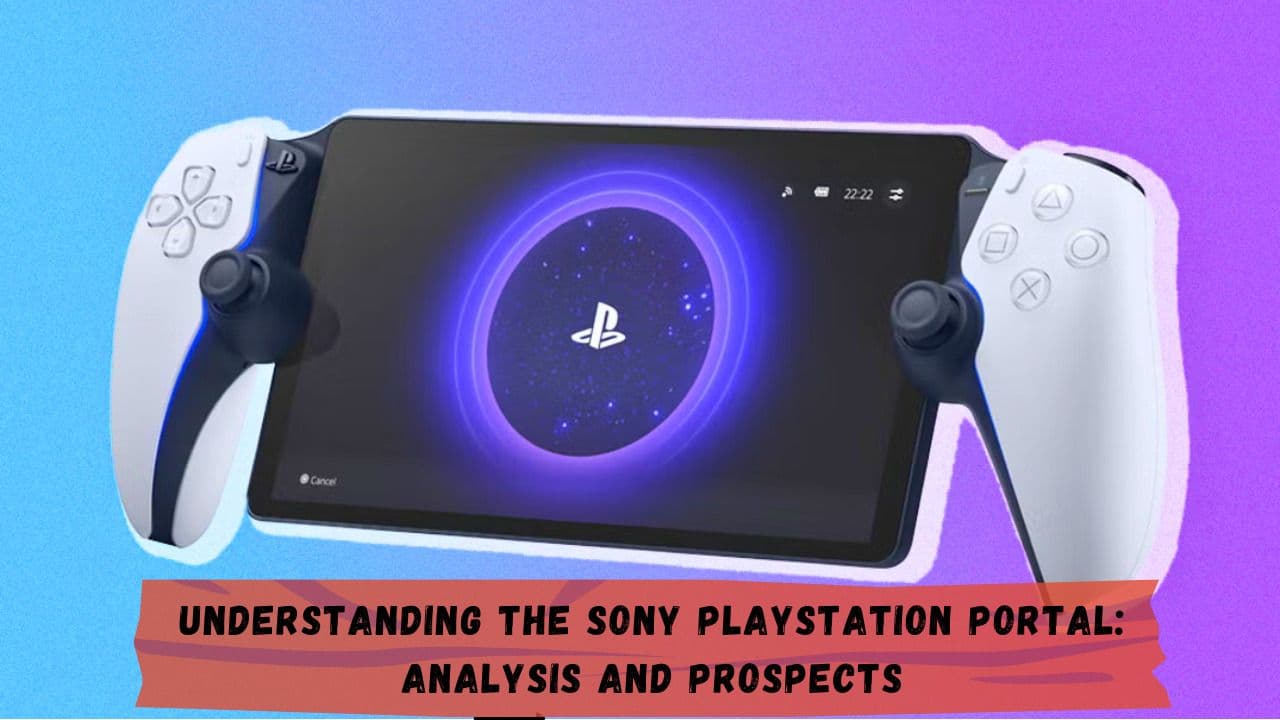
In the dynamic landscape of gaming, Sony recently unveiled its PlayStation Portal, a device set to revolutionize the remote play experience for PlayStation 5 enthusiasts. However, the device has encountered skepticism and criticism from a section of the gaming community. In this detailed analysis, we delve deep into the functionalities of the PlayStation Portal, the reasons behind its lukewarm reception, and the prospective developments that could enhance its appeal in the market.
An Overview of the PlayStation Portal
Sony's PlayStation Portal is conceptualized to be a dedicated Remote Play device that enhances the gaming experience by allowing players to enjoy their favorite PlayStation 5 titles from any location, given a stable WiFi connection is available both on the device and the PS5 console. Priced at $200, the handheld device, featuring an 8-inch display nestled between a DualSense controller, exclusively aligns with PS5, distinguishing itself from other handheld consoles in the market.
Despite this unique integration with PS5, the PS Portal has incited mixed reactions from the gaming fraternity, prompting a deeper exploration into its functionalities and how it stacks up against existing handheld consoles.
Comparison with Existing Handheld Consoles
Contrasting the PlayStation Portal with existing handheld consoles such as the Nintendo Switch, ASUS ROG Ally, and Steam Deck helps us grasp its distinct position in the market. These devices operate as standalone units, capable of running AAA titles independently, thereby offering a potent combination of portability and performance.
However, the PlayStation Portal differentiates itself by functioning more as an accessory to augment the PS5 experience, leveraging the console’s Remote Play feature. This unique approach, albeit innovative, has brought forth a volley of questions surrounding the device's restricted functionality, and its value proposition compared to alternatives like smartphones.
Critiques of the PlayStation Portal
The PlayStation Portal has encountered a series of criticisms, primarily revolving around three core concerns:
- Limited Unique Functionality: The first critique centers on the device's limited functionality that seems to replicate the experience already available through Android smartphones, tablets, or PCs with Remote Play enabled on PS5. Moreover, the availability of the $100 PS Backbone, which utilizes a smartphone screen, offers a more compact and portable alternative, raising questions about the Portal's unique selling points.
- Lack of PlayStation Plus Support: The second issue arises from the lack of support for the PlayStation Plus service, a notable feature available on PS5. This limitation confines players to games locally installed on their PS5, restricting access to a broader library of online games that could potentially enhance the Portal’s appeal.
- Proprietary Connection Requirements: Lastly, the device has been criticized for promoting an anti-consumer design by adopting the proprietary PlayStation Link for connecting audio accessories, thereby necessitating additional investments in compatible headphones or earbuds. Although a 3.5mm jack is available for wired connections, the absence of basic Bluetooth connectivity has been viewed as a drawback.
Potential Improvements for the PlayStation Portal
To address these concerns and enhance the Portal's value proposition, several improvements have been suggested. A simple reduction in price may not suffice. Instead, widening the functionality to include PlayStation Plus support and possibly integrating it with the upcoming Project Chronos, a next-gen 4K game streaming service, could potentially elevate the device’s appeal.
Moreover, introducing Bluetooth connectivity in future iterations could make the PlayStation Portal more attractive to a broader audience, tapping into the growing preference for portable gaming solutions.
Conclusion
The launch of the PlayStation Portal stands at a crucial juncture, reflecting Sony's endeavor to innovate within the handheld console market, a segment witnessing remarkable success with products like the Nintendo Switch. By addressing the current critiques and aligning the product with consumer expectations, Sony has the opportunity to refine the PlayStation Portal, potentially carving a prominent place in the burgeoning handheld console market.


