A Higher Price Tag Feels Baked In
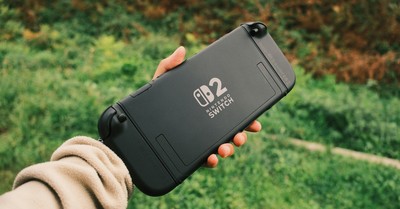
Nintendo hasn’t touched the base Switch’s $299 sticker since 2017, but expecting the successor to hit that same number feels unrealistic. The hybrid design still demands a screen, battery, and detachable controllers in every box, and newer silicon won’t come cheap. Add seven years of inflation and a market that’s already normalized pricier hardware and software, and a bump looks less like a gamble and more like the default.
History already nudged things upward. The Switch OLED model arrived at $349, and players largely accepted that premium for a better display, improved audio, and a sturdier kickstand. On the software side, Nintendo pushed one of its biggest releases, The Legend of Zelda: Tears of the Kingdom, to a $70 MSRP, signaling the company is comfortable testing a higher ceiling when it believes the value is there.
Why $299 Is a Hard Target Now
Hitting a sub-$300 price means cutting somewhere. A hybrid console must carry components home consoles offload to TVs and power outlets. That means a quality screen, a sizeable battery, compact cooling, high-speed storage, precise haptics, and a reliable dock. None of those parts have gotten meaningfully cheaper at the level of performance a new system needs to deliver.
Chips are the real swing factor. Reports point to a modern Nvidia-based system-on-chip with advanced upscaling features. Even without chasing bleeding-edge specs, a newer node, improved GPU capabilities, and expanded memory bandwidth raise the bill of materials. Cartridges also remain pricier to manufacture than discs, pressuring margins elsewhere unless the hardware itself carries a healthier markup.
Look at the broader console market, too. PlayStation and Xbox set expectations for flagship machines well above the Switch’s 2017 number, and both saw regional price adjustments during the last generation. Nintendo doesn’t need to mirror those moves, but the gap that once made Switch a “cheaper alternative” has narrowed as costs climbed across the board.
Nintendo’s Pricing Playbook
Traditionally, Nintendo prefers to profit on hardware or get close to break-even rather than sell at a loss and make it up on software. The company also leans on long product tails, slow price drops, and iterative models to sustain interest. That strategy aligns with a slightly higher launch price that can hold steady for years while older hardware slides down to cover the entry tier.
There’s precedent for missteps, of course. The 3DS launched high and needed a quick price cut to kick-start demand. But the Switch era has shown a different cadence: steady value, measured refreshes, and a willingness to ask for more when the upgrade is obvious. The $349 OLED proved that a clear, tangible improvement can carry a premium without backlash.
What Would Justify Paying More
A higher price needs visible, touchable benefits on day one. A brighter, more color-accurate display—even if it isn’t OLED at launch—would immediately read as “new.” Faster load times, quieter cooling, and stronger battery life address everyday friction. More internal storage reduces the need for an immediate microSD purchase. And improved controllers—whether that’s better ergonomics, sturdier rails, or drift-resistant sticks—would go a long way to selling the upgrade.
Backward compatibility would be the clincher. Keeping your existing library and accessories in play makes a steeper MSRP far easier to accept. Players don’t want to start from zero. If the successor enhances older games with higher resolutions or steadier performance out of the box, that’s obvious value you can see on a living room TV and on the handheld screen.
Software strategy matters just as much. If Nintendo anchors the launch window with one or two heavy hitters and a “your current games run better” message, it can support a price higher than $299 without scaring off the crowd that made Switch a phenomenon. A clear upgrade path, cleaner online features, and a confident roadmap would reinforce the ask.
So What Number Makes Sense?
Landing above the original Switch but below premium home consoles feels like the sweet spot. A tag in the mid-$300s to around $400 would reflect modern component realities while keeping the system firmly in mass-market territory. That leaves room for the existing Switch (and Lite) to hold the value end, a strategy Nintendo has used for years to broaden its audience without fragmenting it.
Could Nintendo surprise with aggressive pricing? Always. But the safer read is a modest increase paired with meaningful upgrades you can feel immediately. If the company nails the pitch—less friction, better visuals, stronger battery, and continuity with your library—players will accept a higher MSRP. Price is a headline; experience is the story. And if the experience is right, a pricier Switch successor won’t just sell—it’ll stick.