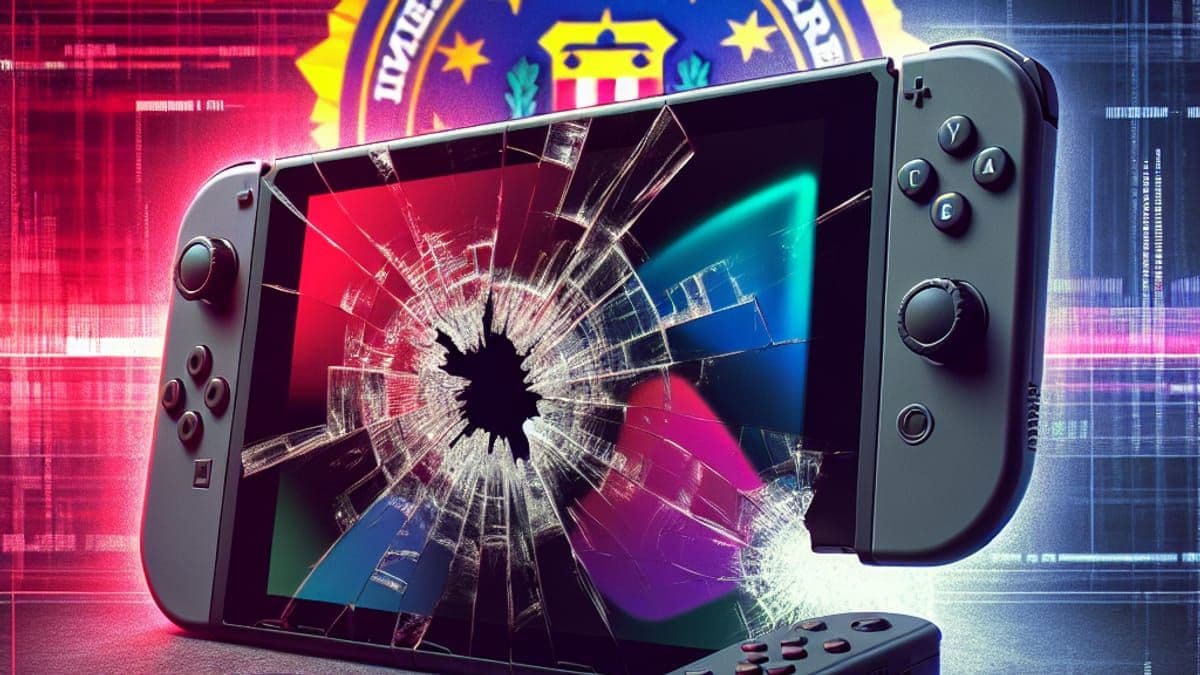
Understanding the NSW2U Takedown
In a significant move against digital piracy, the FBI recently took down NSW2U, a prominent website known for distributing illegal Nintendo Switch ROMs. This site had been a thorn in the side of game developers and publishers, providing unauthorized access to a vast library of Nintendo Switch games. The takedown is part of a broader effort by law enforcement and industry stakeholders to curb the rampant piracy that undermines the gaming industry.
The operation against NSW2U underscores the ongoing battle between content creators and those who seek to profit from their work without authorization. By shutting down such sites, authorities aim to protect intellectual property rights and ensure that developers receive fair compensation for their creations. However, the persistence of piracy underscores the challenges faced in fully eradicating these illegal activities.
The Impact on the Gaming Industry
The closure of NSW2U is a significant victory for the gaming industry, which loses billions annually to piracy. Illegal ROM sites not only deprive developers of revenue but also discourage innovation by reducing the financial incentives to create new content. By taking decisive action against such platforms, the industry hopes to create a more sustainable environment where creativity and investment are rewarded.
However, the takedown also raises questions about the effectiveness of current anti-piracy measures. While shutting down a major site like NSW2U is a step in the right direction, it is unlikely to stop piracy altogether. New sites often emerge to fill the void left by those that are closed, suggesting that a more comprehensive approach may be necessary to address the root causes of digital piracy.
Legal and Ethical Considerations
The legal landscape surrounding digital piracy is complex, with laws varying significantly across different jurisdictions. While the FBI's action against NSW2U is a clear message of deterrence, it also highlights the need for international cooperation in tackling piracy. Many piracy sites operate across borders, making it difficult for any single country to address the issue effectively.
Ethically, the debate around piracy often centers on the rights of creators versus the accessibility of content. While some argue that piracy democratizes access to media, it ultimately harms the creators who rely on sales for their livelihood. Balancing these considerations is crucial for developing policies that protect creators while respecting consumer rights.
Future of Anti-Piracy Efforts
Looking ahead, the gaming industry and law enforcement agencies are likely to continue their efforts to combat piracy through a combination of legal action, technological solutions, and public awareness campaigns. Innovations such as blockchain technology and digital rights management (DRM) systems offer potential tools for protecting intellectual property.
Moreover, fostering a culture of respect for intellectual property rights is essential. Educating consumers about the impact of piracy and promoting legal alternatives can help reduce demand for illegal content. As the industry evolves, so too must the strategies for protecting its interests.
Summary
The FBI's takedown of NSW2U marks a significant step in the fight against digital piracy, particularly within the gaming industry. While this action disrupts a major source of illegal Nintendo Switch ROMs, it also highlights the ongoing challenges in combating piracy. The industry must continue to innovate and collaborate internationally to protect intellectual property and ensure a fair marketplace for creators.