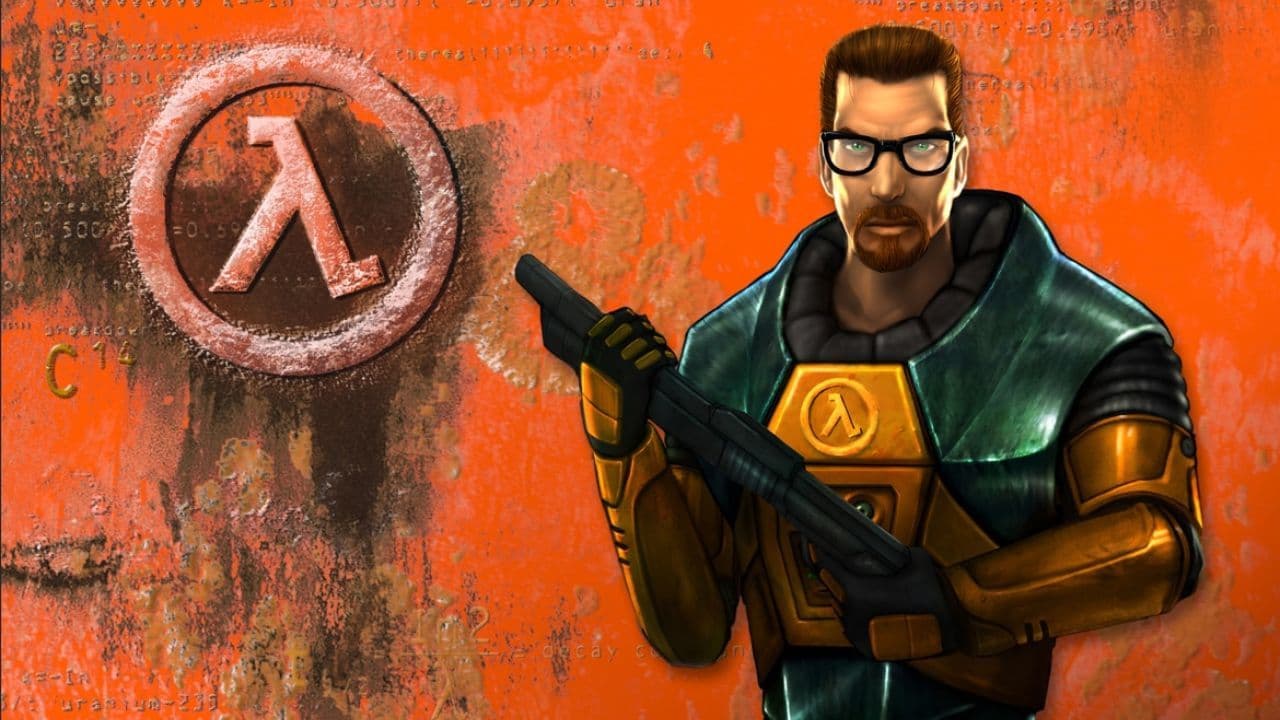
In an unexpected resurgence of interest, Half-Life: Blue Shift, the 2001 expansion to the original Half-Life, has recently achieved a new peak player count on Steam, a staggering 23 years after its initial release. This sudden spike in player activity comes as a result of the fan-driven event #ShiftingTheBar, orchestrated by the community over at Lambda Generation.
Half-Life: Blue Shift, developed by Gearbox Software, has always held a unique place within the Half-Life universe. It narrates the same story as the original Half-Life but through the perspective of Black Mesa security guard, Barney Calhoun, who would later become a key character in Half-Life 2. The expansion provided a fresh narrative lens on familiar events, offering players a chance to explore Black Mesa’s corridors from a different viewpoint. Though it initially received a mixed reception, over time, Blue Shift has garnered a loyal following who appreciate its distinct approach to storytelling.
The Event That Sparked the Revival
The resurgence in Blue Shift’s popularity can be credited to the recent #ShiftingTheBar event. Lambda Generation, a community dedicated to the Half-Life series, organized this event, encouraging fans to revisit the game en masse. The event successfully propelled Blue Shift to a new all-time high player count on Steam, peaking at 3,145 players, an impressive feat for a game that had been averaging between 60 and 100 players over the past month.
This event is not the first time Blue Shift has seen a boost in players. Notable peaks occurred in January 2020 and November 2023, with player counts reaching 420 and 319, respectively. However, the numbers achieved during #ShiftingTheBar far surpassed these previous records, showing that even after more than two decades, the Half-Life community remains vibrant and engaged.
Reflecting on Blue Shift’s Legacy
The success of the #ShiftingTheBar event has brought new attention to a game that many had relegated to the annals of gaming history. Blue Shift’s ability to attract such a significant player base so many years after its release speaks to the enduring legacy of the Half-Life series. It also serves as a reminder of the powerful role that fan communities play in keeping classic games alive and relevant.
As the numbers have begun to settle post-event, there’s a palpable curiosity about whether Lambda Generation or other community groups might organize similar events in the future. Given the success of this initiative, it wouldn't be surprising to see other forgotten classics receive a similar treatment.
The Future of the Half-Life Franchise
While Half-Life: Blue Shift enjoys its moment in the spotlight, fans continue to speculate about the future of the Half-Life franchise. It’s been almost two decades since the release of Half-Life 2, and the long wait for a third installment persists. Despite numerous rumors and leaks suggesting that Half-Life 3 has been in various stages of development over the years, Valve has yet to officially confirm anything.
In the meantime, Half-Life: Alyx, the VR-exclusive title, offers the most recent foray into the Half-Life universe. However, its VR requirement means it remains inaccessible to a large portion of the gaming community, leaving many fans eagerly awaiting a more traditional, non-VR sequel.
Final Thoughts
The recent peak in Half-Life: Blue Shift’s player count is a testament to the lasting appeal of the Half-Life series and the dedication of its fanbase. Events like #ShiftingTheBar not only revive interest in classic games but also highlight the community’s role in preserving gaming history. As fans continue to hold out hope for a new entry in the Half-Life series, this event serves as a reminder that even decades-old games can still resonate with players today.
Whether or not Valve ever releases Half-Life 3, the legacy of the franchise remains intact, as evidenced by the enduring popularity of games like Blue Shift. For now, fans can revel in the nostalgia and excitement of revisiting a classic, all while keeping an eye on what the future might hold for this iconic series.