
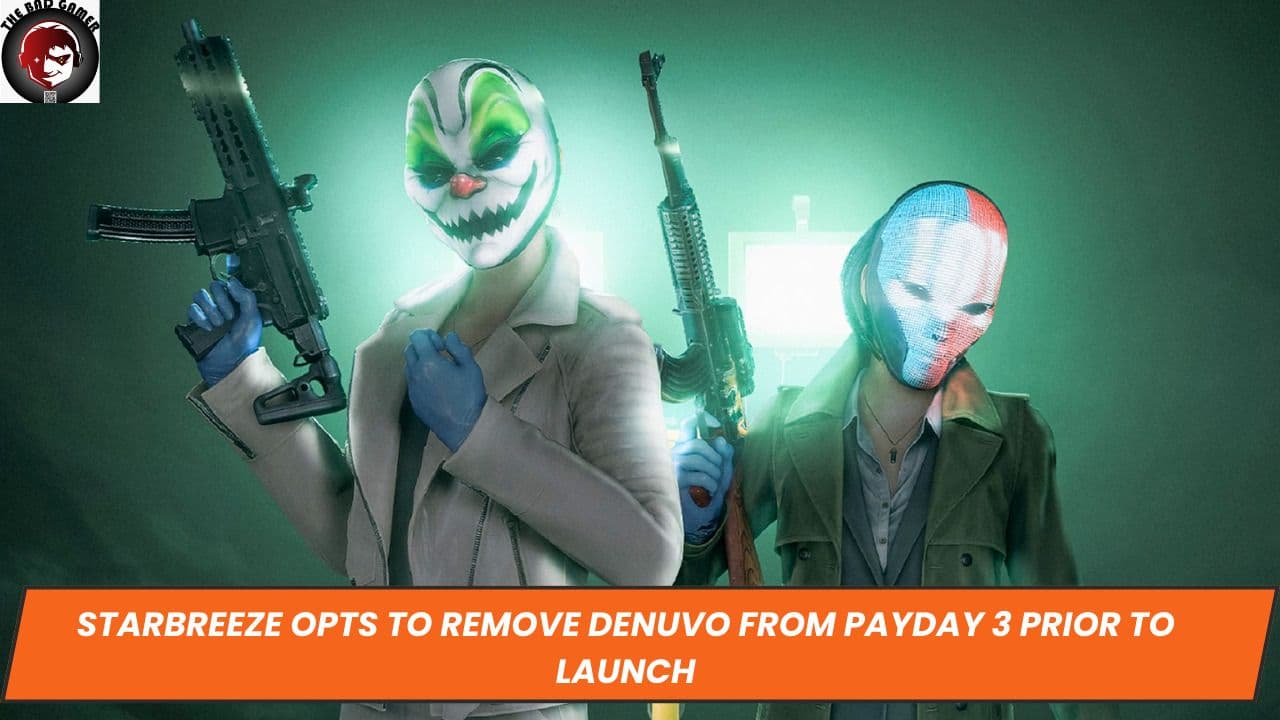
Starbreeze Studios recently made headlines by announcing the removal of Denuvo Anti-Tamper from their highly-anticipated game, PAYDAY 3. This decision was made public through a statement shared on Steam and comes just days before the game's release. The move is part of a larger trend in the gaming industry, where multiple studios are distancing themselves from the controversial DRM system. This article aims to delve into the details of Starbreeze's announcement, examining the larger implications within the industry.
Starbreeze's Decision and its Context
Last week, Starbreeze Studios stated that Denuvo Anti-Tamper would no longer be part of PAYDAY 3, an FPS heist simulator that continues the well-established PAYDAY franchise. The developers shared this information with the gaming community via Steam, although they did not disclose the exact reasons for this change of heart.
Interestingly, Starbreeze and Deep Silver, the game's publisher, decided to reverse their stance on Denuvo just days ahead of the game’s launch. As for the timing, it’s unclear why this change was made so close to the release date, and it raises questions about how this will impact the game and its performance.
Industry-Wide Stance on Denuvo
Starbreeze is not alone in distancing itself from Denuvo. Several AAA studios have made similar moves. Capcom removed Denuvo from Resident Evil Village, and id Software did the same with DOOM Eternal. Additionally, Tekken 8 Game Director Katsuhiro Harada announced that there are no plans to incorporate Denuvo or any other DRM in the upcoming Tekken title.
These developments signal a broader industry trend. Many studios seem to be evaluating whether the protection offered by Denuvo outweighs the backlash and technical issues it can bring about.
Community Reception and Performance Concerns
The removal of Denuvo from PAYDAY 3 was met with a positive response from the community. Users have frequently expressed concerns that games featuring Denuvo tend to suffer from performance issues, including reduced frame rates and longer boot times.
In a series of tests performed by YetTea, it was shown that games with Denuvo have these technical drawbacks when compared to their DRM-free counterparts. Despite these findings, Irdeto, the company behind Denuvo, has strongly refuted such claims, arguing that the software does not significantly impact game performance.
Exceptions to the Trend: Mortal Kombat 1
Not all developers are choosing to remove Denuvo from their games. NetherRealm Studios announced that the upcoming Mortal Kombat 1 would feature Denuvo, making it an outlier in the current trend. Some speculate that this DRM will be removed in the future, as was the case with Mortal Kombat 11, but as of now, there is no official statement confirming this.
Conclusion
As PAYDAY 3 gears up for its release on September 21, the removal of Denuvo Anti-Tamper has elicited a mostly positive response from the community. While the exact reason for this decision remains undisclosed, it aligns with a broader industry move away from the DRM system. However, each studio's choice to include or remove Denuvo remains nuanced, influenced by multiple factors that range from community sentiment to technical performance considerations.


