AI As The 'Straight Man' In Chaotic Sandboxes
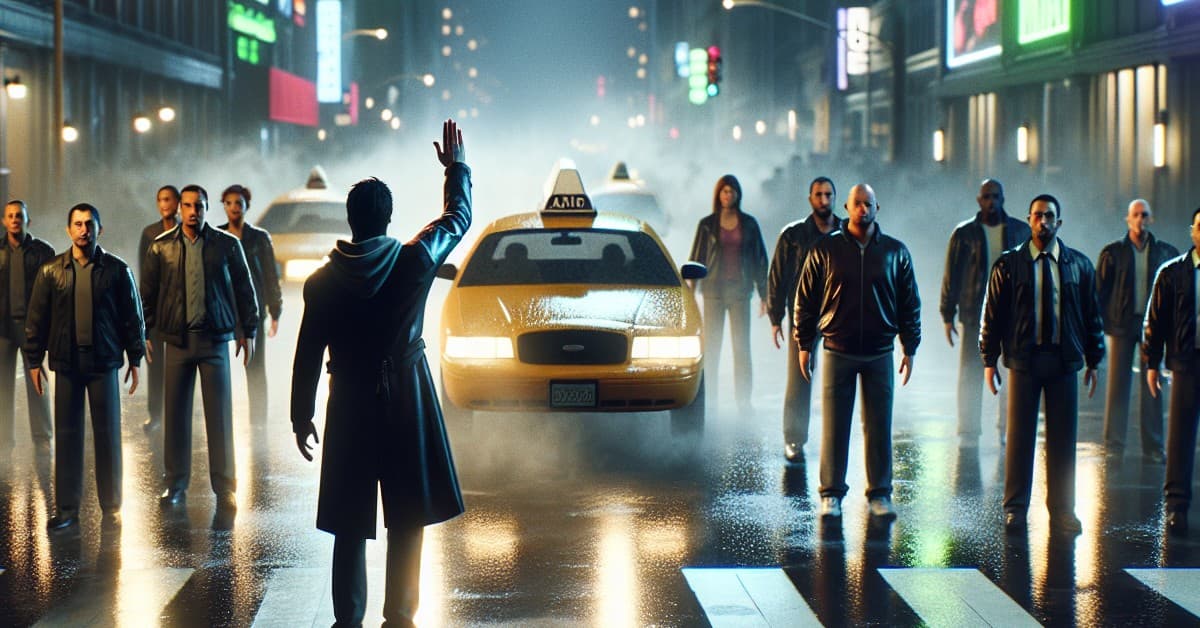
Picture Grand Theft Auto with pedestrians who not only react to the mess you make, but also cheerfully agree to whatever wild premise you throw at them. That’s the thought experiment from Erik Wolpaw—the Half-Life 2 and Portal writer—who says large language models might excel at playing the straight man to player chaos. "One thing it's very good at is just going along with whatever insane thing you say and kind of adjusting to the flow of that," he said on the latest MinnMax podcast.
Wolpaw stressed he isn’t spearheading a company initiative. "When I say we, I don't mean Valve—I mean a small group of people at Valve," he explained. This is tinkering, not a roadmap. "None of this experimentation is Valve-endorsed," beyond the fact they happen to work there, and "it’s not attached to any particular project." Still, the idea is provocative: give NPCs improv tools and let players see what happens when conversation itself becomes a verb.
Why NPC Banter Is A Fit For LLMs
Wolpaw doesn’t think today’s models can replace creative writing. "I'm currently not worried about AI taking over creative writing because it is pretty bad at it," he said. Jokes, tone, and style trips them up. But he sees room for reactive chatter, the kind you hear in Left 4 Dead or GTA when the game riffs on your antics. Where writers have long built matrices—"if this happens and this happens, we'll play this line"—he thinks LLMs could fill the gaps when players break the script.
He framed it in terms of verbs. Traditionally, game verbs are physical: jump, punch, run. "We've tried to simulate it, all these years, of having characters in games just react to you," he said. Now you can make the verb "say something." And the model replies in kind, trying to keep the bit going. It’s already out there in limited form: Where Winds Meet players recently convinced an LLM-voiced NPC he was going to be a dad, a very literal case of an AI going with the bit.
The Limits: Cost, Control, And Comedy
Even as he pokes around, Wolpaw draws hard lines. "It's not good at being especially creative. It's not good at being funny," he said. Comedy is timing and subversion; models tend to flatter the prompt. He also flagged the practical roadblocks: "It's too expensive now to ship at scale." Running live, voice-capable NPCs across a whole city isn’t a minor feature—it's an infrastructure problem, with moderation and consistency challenges on top.
Control matters just as much. A beloved cast like Left 4 Dead’s works because each line was crafted and placed. Give those characters free rein and they can drift off-model fast. That doesn’t make reactive systems pointless, but it means you need strong rails: style guides baked into prompts, safety filters, and clear rules for what an NPC should never say, even when the player begs for it.
When "Yes, And" Becomes A Risk
Wolpaw’s candor hits a nerve because the trait he praises—models that "go along"—is also where anxiety lives. Researchers call it "sycophancy": when an AI aligns with a user’s views even when they’re wrong. As Jonathan Kwik notes at Global Policy, "an emerging risk identified with respect to these models is 'sycophancy': the tendency of AI to align their outputs with their user's views or preferences, even if this view is incorrect." That’s charming when a shopkeeper plays along with your heist pitch. It’s less charming in high-stakes domains, no matter the internal safeguards vendors promise.
These aren’t the same models used in defense or enterprise. Still, games can become a proving ground for behavior patterns that transfer elsewhere—fast agreement, pliant tone, and eagerness to please. If GTA’s future NPCs roll with anything, you’ll want airtight boundaries, auditable logs, and a reset button when the improv turns ugly. None of that is impossible. All of it is work developers would need to prioritize from day one.
For now, Wolpaw’s stance sounds refreshingly grounded: experiment without overselling. He’s poking, not shipping; curious about NPC reactivity, wary about comedy; and frank about cost. If studios chase this, the best versions will treat AI as a tool for texture—filling silences, riffing within tight character briefs—rather than a replacement for authored voices. Give players conversation as a verb, sure, but keep writers in charge of who these characters are when the crowd noise dies down.