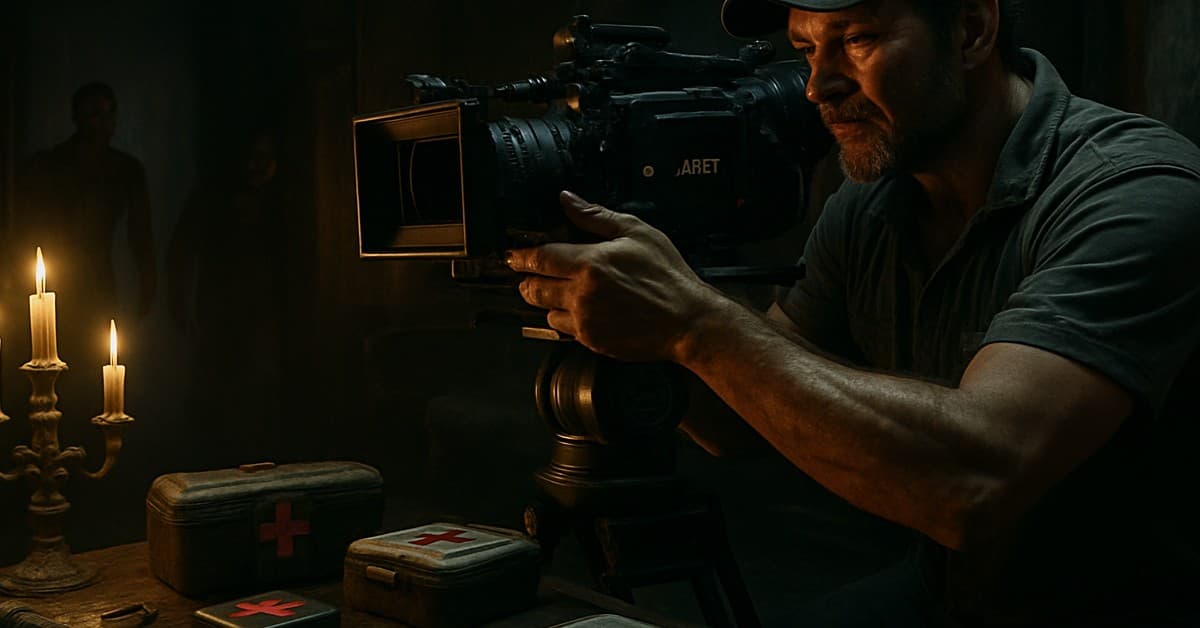
The upcoming film adaptation of Resident Evil, directed by Zach Cregger, aims to honor the essence of the iconic video game series while introducing a fresh narrative. Set to release on September 18, 2026, the film will be available on PS5, Xbox Series X, and PC. Fans can expect a faithful representation of the franchise, complete with recognizable weapons, locations, and a commitment to resource management that defines the gameplay experience.
Quick Facts — Resident Evil
| Developer | Universal Studios Hollywood Hub |
|---|---|
| Platform(s) | PS5, Xbox Series X, PC |
| Release Date | September 18, 2026 |
| Genre | Action RPG, Shooter |
Cregger's approach reflects a deep appreciation for the source material, emphasizing a traditional chronological storytelling method. He stated, "What’s important to me, that I’m honouring from the games, is the narrative structure and following one character from point A to point B, and the concern with resource management, ammunition conservation." This method not only preserves the tension of the original games but also enhances the cinematic experience.
About Resident Evil
Resident Evil is developed by Universal Studios Hollywood Hub and is a blend of action RPG and shooter genres. This film adaptation marks a significant moment for fans, particularly as it attempts to capture the horror essence of the franchise.
Key Features of Cregger's Adaptation
- Faithfulness to Source Material: The film remains true to the tone of the games, ensuring fans feel the familiar dread.
- Traditional Chronological Storytelling: Cregger opts for a straightforward narrative, following a single character through escalating horrors.
- Resource Management Mechanics: The film incorporates elements like ammunition conservation and weapon progression, mirroring gameplay.
- Practical Effects: Cregger emphasizes in-camera effects, contributing to a more immersive experience.
- Recognizable Weapons and Locations: Expect iconic items and settings from the games, enhancing nostalgia for fans.
Production Insights
The film’s production involves significant effort, with over 400 gallons of fake blood used daily to create a visceral atmosphere. Production designer Tom Hammock noted the challenges of building a working elevator shaft in a five-story set, stating, "Making a pair of working elevators in a five-story-tall concrete set was enormously difficult to do in-camera." This attention to detail highlights the film's commitment to realism.
What This Means for Players
Cregger’s take on Resident Evil looks promising, striking a balance between homage and originality. By focusing on resource management and traditional storytelling, he caters to long-time fans while potentially attracting new audiences. The film's emphasis on practical effects and recognizable elements from the games could resonate well with viewers, setting it apart from previous adaptations.
As anticipation builds for the film’s release, fans should keep an eye on upcoming trailers and promotional content for more insights into this fresh take on a beloved franchise.