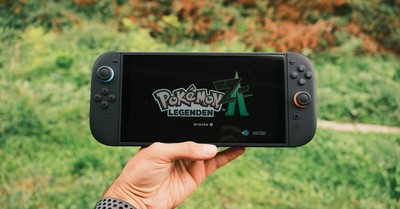
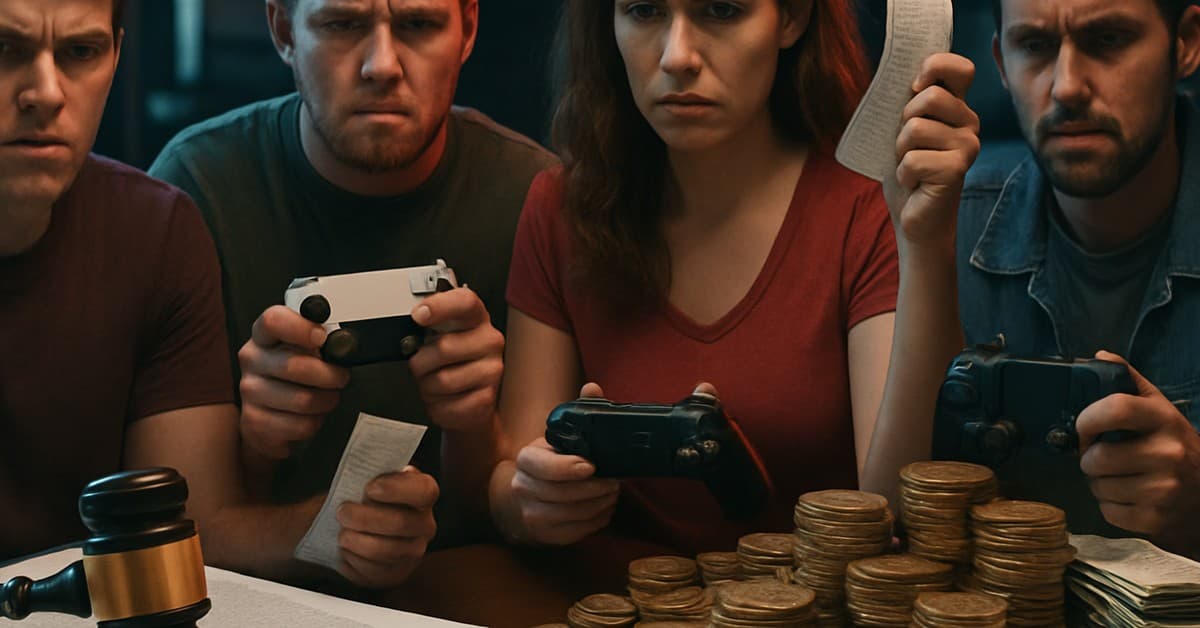
Nintendo fans have filed a class-action lawsuit demanding that tariff refunds received by the company go back to customers who paid higher prices on Switch 2 accessories and Switch 1 consoles over the past year. Game File reported the lawsuit today, and it lands at a sensitive moment for Nintendo because the company now stands to benefit from a collective $160 billion tariff refund after intervention from the U.S. Supreme Court. That matters because the case asks a blunt question: if Nintendo passed tariff pain onto buyers, should it keep the refund too?
The lawsuit centers on purchases made over the course of the past year, with fans arguing that Nintendo already took in extra money when it raised prices to counter U.S. tariffs. Gregory Hoffert and Prashant Sharan filed the class-action suit, and they want the refund money returned to the people who paid those higher prices. Nintendo has not adjusted the price of Switch 2 consoles, but it did increase the cost of various Switch 2 peripherals after tariffs were announced, raised the price of its Switch 1 console last summer, and later said it would no longer charge the same price for digital and physical copies of the same game. For players, this is about more than corporate accounting; it’s about whether the costs they absorbed should come back to them now that the refund is on the table.
About Nintendo’s Tariff Refund Fight
The dispute ties directly to Nintendo’s response to tariffs and the company’s pricing decisions over the past year. According to the lawsuit, those higher prices on Switch 2 accessories and Switch 1 consoles were meant to offset the effect of U.S. tariffs, which means customers say they already paid the bill once. Nintendo also recently attempted to sue the U.S. government over its “unlawful” tariff demands, though that effort was put on hold while the situation was sorted out. That context matters because the refund fight now sits at the intersection of consumer pricing, trade policy, and how much of the burden gets pushed onto buyers.
Shuntaro Furukawa’s comments from last year sit at the center of the filing. The lawsuit highlights his response when he was asked about tariffs and company profits: Nintendo would recognize the impact as part of the product’s cost and “incorporate them into the price.” In plain terms, that’s the kind of statement plaintiffs love to quote, because it suggests Nintendo knowingly folded tariff pressure into what customers paid at checkout. If the company later receives money back, the lawsuit argues that the benefit should follow the same path in reverse.
What Changed With Switch 2, Switch 1, and Game Pricing
- Nintendo increased the cost of various Switch 2 peripherals after tariffs were announced, which means players looking to build out a new setup paid more for accessories than they otherwise might have.
- Nintendo did not adjust the price of Switch 2 consoles, so the main hardware stayed put even as related add-ons became more expensive.
- Last summer, Nintendo raised the price of its Switch 1 console, a move that hit owners and late adopters of the older system directly in the wallet.
- Earlier this year, Nintendo said it would no longer charge the same price for digital and physical copies of the same game, acknowledging that boxed copies cost more to manufacture and ship.
Those changes matter because they show how broadly Nintendo spread the tariff response across its business. Accessory buyers took the hit first, then Switch 1 shoppers saw a price rise, and game pricing itself shifted after that. None of that proves the lawsuit will succeed, of course, but it does explain why fans feel they paid extra to make up the margin Nintendo says tariffs required. When a company asks players to absorb the pressure, those same players tend to notice when the money comes back the other way.
What This Means for Players
This feels like a smart consumer challenge, even if the legal road ahead looks messy. The plaintiffs are not asking Nintendo to invent a new policy; they are asking the company to return money that, in their view, should never have stayed with Nintendo in the first place. That argument lands because the company already linked its pricing to tariffs, and Furukawa’s “incorporate them into the price” line gives the lawsuit a clear anchor. If Nintendo treated players as the shock absorber when prices went up, fans now want the refund to flow back just as directly.
Nintendo is not the first company to face this kind of pressure, either. The source notes that FedEx has said it will return money from refunds back to consumers, which gives plaintiffs a real-world example to point to when they argue against corporate retention of tariff money. IGN has contacted Nintendo for comment, so the company still has a chance to respond publicly. For now, though, the optics are rough: customers paid more, Nintendo may get money back, and fans are making sure that story doesn’t end with the company keeping both sides of the deal.
Key Takeaways
- Game File reported that Nintendo fans filed a class-action lawsuit over tariff refunds.
- The suit targets higher prices paid on Switch 2 accessories and Switch 1 consoles over the past year.
- Nintendo faces a collective $160 billion tariff refund after intervention from the U.S. Supreme Court.
- Gregory Hoffert and Prashant Sharan filed the lawsuit, and IGN has contacted Nintendo for comment.
What happens next will depend on the lawsuit and Nintendo’s response. If the company answers publicly, that should clarify whether it plans to keep the refund or pass anything back to customers. Either way, this is now a live consumer story, not just a trade-policy footnote. Players who bought Switch 2 accessories, a Switch 1 console last summer, or games under Nintendo’s newer pricing approach will be watching closely.