About Stop Destroying Videogames
The European Citizens Initiative Stop Destroying Videogames aims to address concerns over the treatment of video games in Europe. Following its inception, the initiative gained traction among gamers and advocates who are pushing for better regulations and protections for video games. The European Commission is currently reviewing the initiative and is expected to respond by a July deadline.
Public Hearing Insights
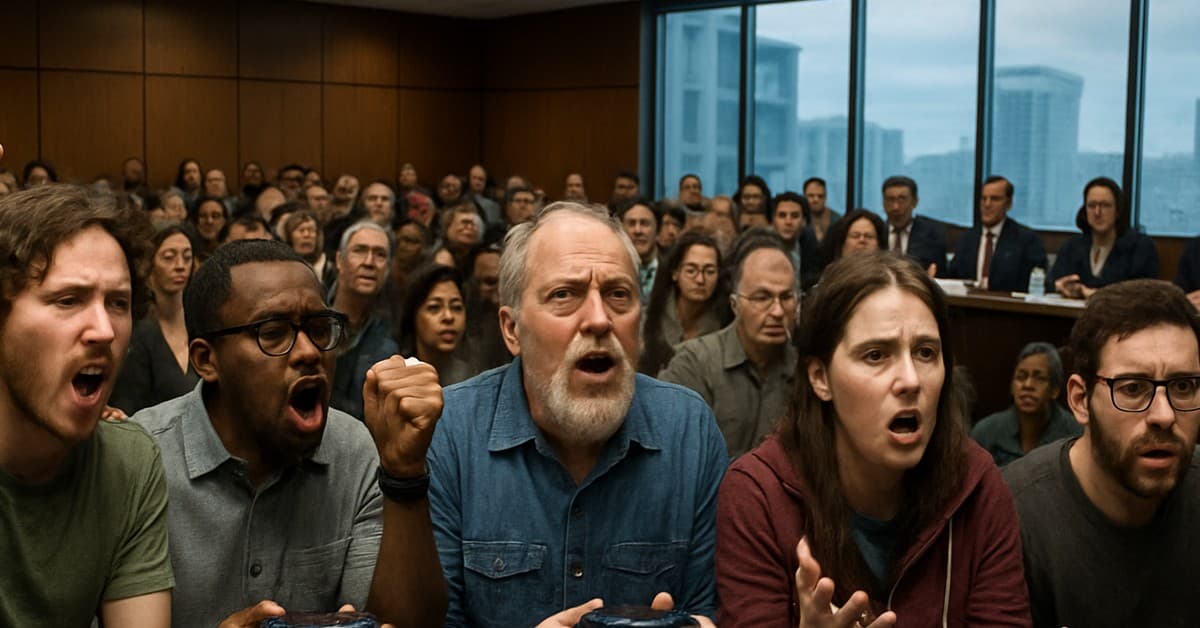
A public hearing held today included three European parliament committees: IMCO, JURI, and PETI, discussing the initiative. Both Ross Scott, the founder of Stop Killing Games, and Moritz Katzner, the group organizer, participated in the hearing. Katzner expressed his enthusiasm about the event, stating, "I think absolutely incredible" when asked about his feelings on the discussion. The overall sentiment from the hearing seemed positive, with all members of the European Parliament (MEPs) responding favorably.
What This Means for Legislation
Katzner highlighted that this hearing represents the first step in the legislative process surrounding the initiative. He noted that MEPs could form a resolution in support of the initiative, essentially saying, "yeah we support that, we like that, EU Commission do something on that." This could lead to significant changes in how video games are regulated in Europe, depending on the Commission's response.
Community Reactions and Next Steps
The feedback from the hearing has energized supporters of the Stop Killing Games initiative, with many expressing optimism on social media platforms. Katzner added that even discussions around microtransactions emerged during the hearing, indicating a broader consideration of issues affecting gamers. As the European Commission continues its review, the gaming community is encouraged to stay engaged and advocate for the initiative's goals.
The Stop Killing Games movement recently also backed a Californian bill that would necessitate game developers to either ensure their products remain playable post-server shutdown or provide full refunds to consumers. This highlights the growing momentum of the initiative as it seeks to protect gamers' rights across different jurisdictions.