
A Gripping Legal Thriller
Twist endings have a way of recontextualizing the core thesis of a film. Think of classics like The Usual Suspects or Saw; movies where something shocking occurs in the final act, flipping our understanding of the narrative. While these films often grab the spotlight, another entry, celebrating its 30th anniversary, deserves a closer look for its own chilling turn: Primal Fear.
Directed by Gregory Hoblit, this film starts off as a polished courtroom drama. Viewers meet Chicago defense attorney Martin Vail, portrayed by Richard Gere, who thrives on high-profile cases. When the beloved Archbishop Rushman is found brutally murdered, Vail jumps at the chance to defend the 19-year-old altar boy Aaron Stampler, played by a young Edward Norton. The film initially paints Aaron as a sympathetic character, but as the plot unfolds, the tone shifts, revealing darker undercurrents.
A Shocking Transformation
The twist ending in Primal Fear fundamentally alters our perception of Aaron. Initially, he appears to be a victim of horrific abuse. Neuropsychologist Dr. Molly Arrington assesses Aaron and diagnoses him with trauma-induced amnesia. His claim of not remembering the murder seems credible, especially given the psychological context. Yet, as evidence mounts, including a disturbing VHS tape that exposes the Archbishop’s manipulative actions, the narrative takes a sinister turn.
The revelation that Aaron suffers from dissociative identity disorder complicates both Vail's defense and audience sympathies. Aaron’s violent alter, Roy, emerges as the true culprit behind the Archbishop’s murder. This new understanding invites viewers to reassess their feelings about the case and about Aaron himself. Is he merely a victim, or does he bear responsibility for the heinous acts committed?
A Climactic Confrontation
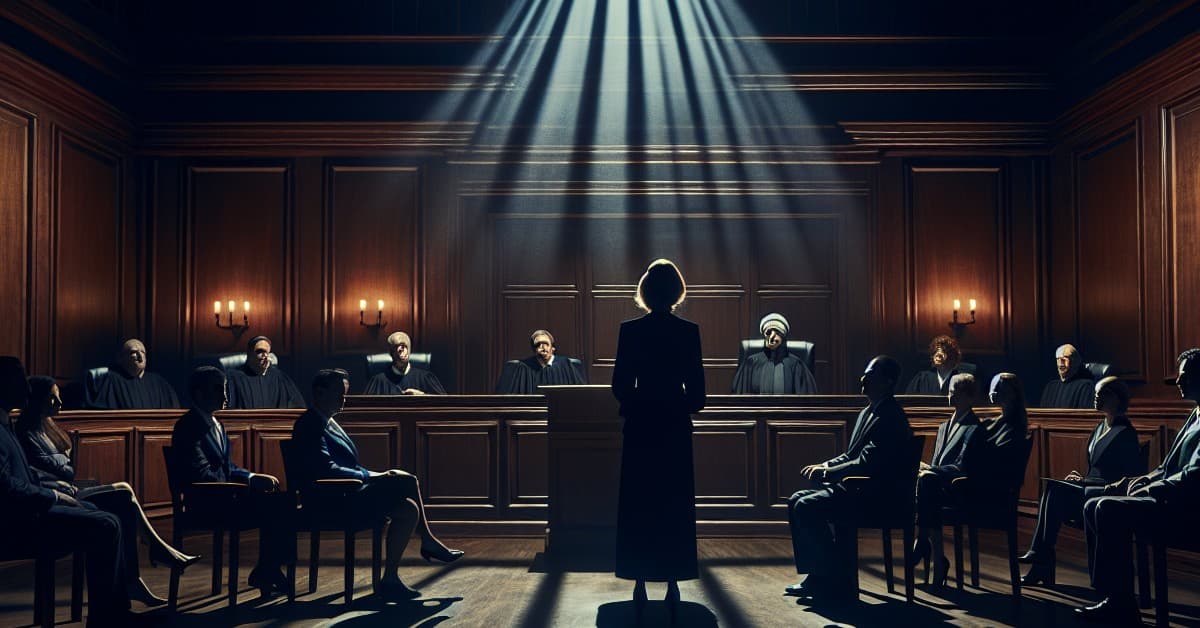
One of the film's most gripping moments occurs during a courtroom confrontation, where the tension culminates in a shocking display of violence. Aaron's meek demeanor transforms as Roy takes over, attacking prosecutor Janet Venable. This scene serves as an emotional high point, showcasing the talents of Gere, Norton, and Laura Linney, who navigate the complexities of their characters with adept precision.
As Vail witnesses Aaron's alarming transformation, he grapples with the implications of his defense strategy. The stakes heighten as Vail seeks to showcase Aaron's abuse in the courtroom, but the violent eruption complicates the narrative further. Just when it seems that justice may prevail, the film takes one last turn that leaves viewers questioning everything.
The Final Reveal
In a pivotal moment, Vail learns that Aaron should not remember the attack on Venable, raising doubts about the very existence of Roy as a separate entity. The chilling line, “There never was an Aaron, Counselor,” delivered by Norton, shatters the audience's understanding of the character. This revelation forces both Vail and viewers to confront the harsh reality that Aaron was a facade, crafted to manipulate those around him.
This final twist not only redefines the narrative but also highlights the moral ambiguities within the legal system. Vail, a once-cocky attorney, faces the consequences of his misjudgments, stripped of his confidence as he realizes he has been outsmarted by someone he deemed vulnerable. Primal Fear may masquerade as a conventional legal thriller, but it ultimately exposes the darker realities that lurk beneath its surface.
A Lasting Impact
Streaming on Prime Video, Primal Fear stands as a testament to how twist endings can transform narratives and affect audience perceptions. As it celebrates three decades since its release, the film serves as a stark reminder of the complex interplay between trauma, identity, and morality in storytelling. Its potent themes resonate just as powerfully today, inviting new viewers to experience its shocking revelation and reconsider the nature of truth and deception in the pursuit of justice.