
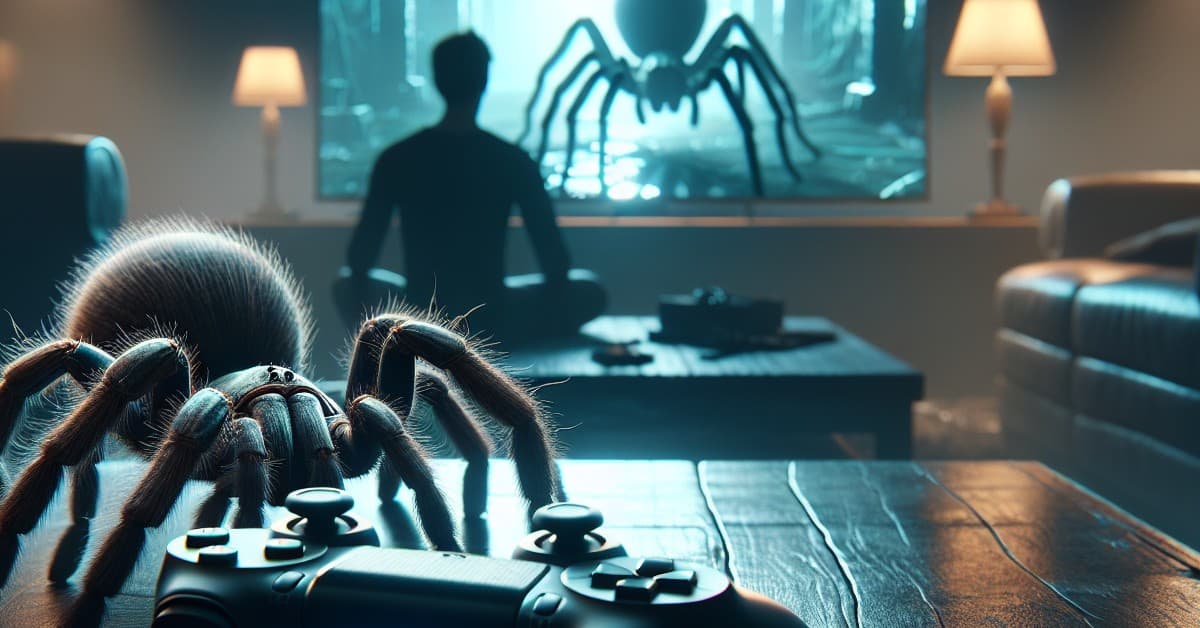
The Eight-Legged Villain That Keeps Winning
Pyramid Head doesn’t get modded out because he’s too scary. Spiders do. For all the twisted icons horror games have produced—Pyramid Head, Nemesis, the Lickers—the enemy most likely to send players sprinting to Nexus Mods is a plain old arachnid.
That disconnect fuels a weird truth: some of the best designers in the business can conjure unforgettable terrors, yet a regular spider still pulls a louder reaction than bespoke monsters. In Resident Evil 3, I hit the clock tower expecting a signature creature and found oversized spiders instead. The setup is stylish, sure, but it could’ve introduced anything. Meanwhile the series’ virus lore lets humans mutate into flesh-eating nightmares and super-soldiers, yet spiders mostly just scale up. Big legs, big fangs, same old playbook.
FromSoftware’s Bloodborne, a game that rarely repeats anyone else’s homework, even stops the show for a spider room. Those enemies hang above you, waiting. Trigger the drop and they swarm. It works—you feel that stomach flip before the fight even starts. But it also reads like a developer compromise: make the moment obvious to amp dread, or telegraph it so arachnophobes aren’t blindsided.
Players Keep Removing Spiders, Not Monsters
Look at mod communities and you’ll see the pattern. People replace Pyramid Head with jokes, memes, and thirst traps. They don’t erase him because he’s unbearable; they remix him because he’s iconic. Name a recent game with spiders, however, and you’ll find mods that strip, reskin, or shrink the critters into anything else—crabs, blobs, even cats. It’s a cottage industry inside horror fandom.
There’s also a steady chorus of players asking studios to flag spider content or include toggles from the jump. That demand isn’t abstract; it’s right there on social feeds and in community hubs.
Spiders in so many video games without any warnings, whhhhy??? by u/han-ime in GirlGamers
That plea captures something designers know well: spiders trigger a fear reaction many players can’t power through. It isn’t about clever AI or imaginative art direction. It’s about a hardwired response. Some studios seem to count on that—drop a spider in the vent, on the ceiling, behind a grate—and you get a guaranteed spike in tension for relatively little production cost.
Cheap Scare Or Smart Accessibility?
There’s a blunt argument against the trope: spiders are unoriginal unless you twist them into something new. When a game already boasts singular horrors, tossing in a stock arachnid reads like filler. That’s the creative gripe. The player-focused one is trickier. Arachnophobia runs deep, and many folks won’t just “get over it” for the sake of a side room or a midgame set piece.
Still, a toggle that wipes spiders entirely can flatten level design and pacing. Remove a ceiling ambush and you also remove the anticipation it creates two hallways earlier. The better solution might be robust reskins that preserve behavior and framing—turn spiders into mechanical drones, slimes, or skittering skulls—while keeping the beats intact. Several modders already do exactly that, which suggests studios can, too, without gutting encounters.
There’s also a case for games as low-stakes exposure. One former Destructoid editor who used to panic at the sight of virtual spiders found that repeated, controlled contact helped. It’s not therapy, but it’s a space where you can put the pad down, breathe, and try again later without real-world risk. That option doesn’t work for everyone, and it shouldn’t be forced, but it’s part of why a thoughtful approach beats an on/off switch.
Fear, Facts, And Better Monsters
All this anxiety hangs over a creature that—outside a handful of species—rarely harms people. Spiders cause only a small number of deaths in the U.S. each year. Livestock and stinging insects take far more lives, and mosquitoes are in a different league entirely worldwide. Yet horror games starring cows or bees don’t inspire widespread “please remove” mods. That gap underlines the point: with spiders we’re fighting our brains, not the beast.
So where does that leave designers? If you want maximum reach, include an arachnophobia mode that swaps models and audio cues, plus a clear content warning before rooms built around spider beats. Make the option easy to find and robust enough that it doesn’t wreck the encounter design. If your game thrives on originality, invest those same resources in enemies that tap the same instincts without leaning on the eight-legged shortcut—skittering silhouettes with unfamiliar anatomies, soundscapes that sell the “run up your spine” feeling, and movement patterns that suggest intelligence rather than repetition.
Are spiders the most terrifying video game enemy? For a sizable slice of players, absolutely. For everyone else, they’re a jump-scare button that’s been held too long. Horror works best when it surprises. If the first whisper of legs overhead is enough to send modders scrambling, maybe it’s time to make new nightmares—and give those who need it a kind, well-labeled way around the old ones.