
Five Years Of Work, One Big Worry
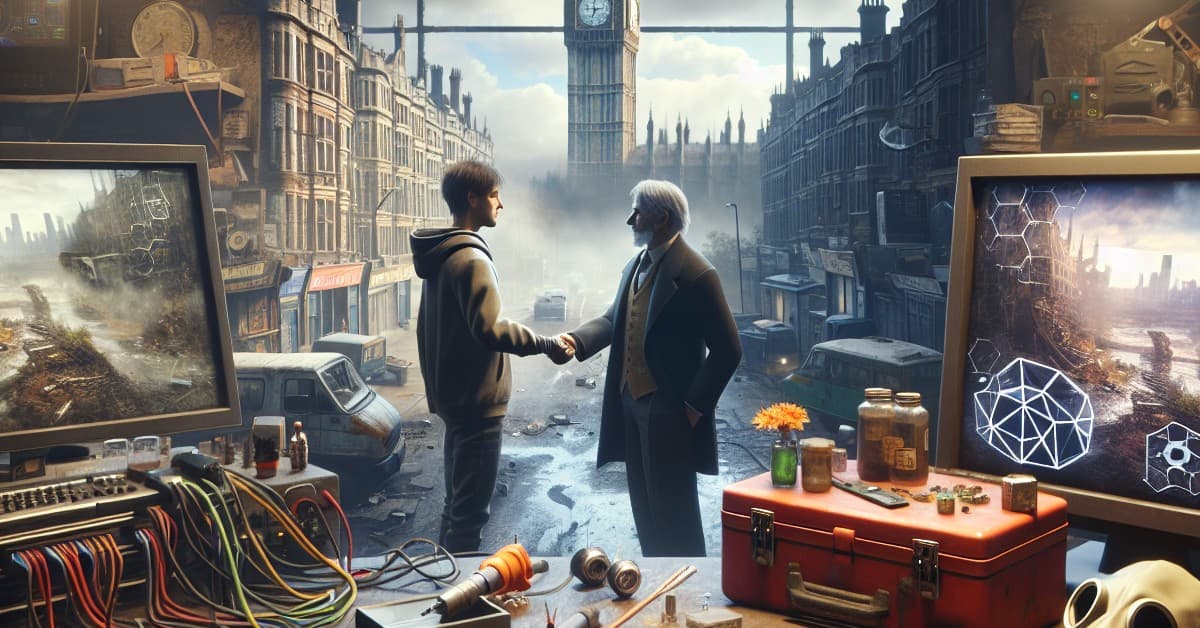
For a project as ambitious as Fallout: London, the scariest enemy wasn’t a mutant or a raider. It was the fear that Bethesda might step in and shut the whole thing down. Project lead Dean “Prilladog” Carter told Edge that the team faced “moments of uncertainty” across the mod’s five-year development about how okay the studio would be with a massive fan-made expansion using the Fallout name and branding.
That anxiety makes sense. Fallout: London, a “DLC-sized” mod built on Bethesda’s 2015 RPG Fallout 4, reimagines the series on the other side of the Atlantic and has been billed as the biggest singleplayer Fallout release in over a decade. When you’re operating at that scale, you wonder who’s watching—and how they’ll react.
Bethesda’s Stance: Chill, Not Chilling
Those worst-case scenarios didn’t happen. Carter said the team ultimately gives “props to [Bethesda]” for how it handled the project, and credited studio leadership—including Todd Howard—for staying cool as the mod gathered momentum. No cease-and-desist. No quiet pressure campaign. Just space to finish the work.
Carter also offered a frank read on why the relationship stayed cordial. “I do feel that the publishers increasingly rely on user-generated content, because it keeps their games alive for longer.” That outlook lines up with years of Bethesda-published games thriving on mods, from texture packs and quest lines to total conversions like this one.
In other words, Fallout: London doesn’t just exist in spite of Bethesda—it arguably supports the ecosystem around Fallout 4. A huge, polished mod keeps players talking, drives them back to the base game, and showcases what the engine can still do. That’s free momentum for a franchise that hasn’t seen an all-new singleplayer entry in a long time.
A Pattern Emerges With Skyblivion
This hands-off approach isn’t a one-off. The same Edge issue highlights similar goodwill toward Skyblivion, the volunteer project rebuilding Oblivion inside the Skyrim engine. “Over the years we have had lots of contact with Bethesda,” said Skyblivion lead K Rebel. “I was even invited to their office last year, and we are on good terms.” That’s not the kind of access you extend if you’re hunting for reasons to pull the plug.
Consider what that implies. Skyblivion’s effort intersects with Bethesda’s own Oblivion Remastered release, yet the relationship remained friendly. Different projects, overlapping goals, and still room for both to exist. If Bethesda viewed high-profile mods as threats, you wouldn’t see that level of engagement.
Why It Matters For Fallout Fans
Fallout: London’s path suggests an unspoken pact: if a fan project respects the IP and doesn’t try to profit from it, Bethesda is likely to let it run—and sometimes even cheer from the sideline. For mod teams, that’s oxygen. For players, it’s more Fallout to explore when official releases slow down.
There’s another upside here. Big mods often experiment in ways that official teams can’t justify, whether that’s bold setting shifts or changes to tone and quest structure. When those bets pay off, everyone wins. The base game gets a second life, the community grows, and studios can see which ideas resonate without spending years in full production.
Carter’s comments and Rebel’s experience sketch out an increasingly clear picture of how Bethesda engages with its most ambitious modders: open lines, mutual respect, and an understanding that user-made content can extend a game’s relevance for years. If Fallout: London thrives and Skyblivion lands the way fans hope, expect even more teams to swing big. The message from Bethesda’s corner, at least for now, seems simple—build something great, and you won’t be crushed by the hand of Todd.


