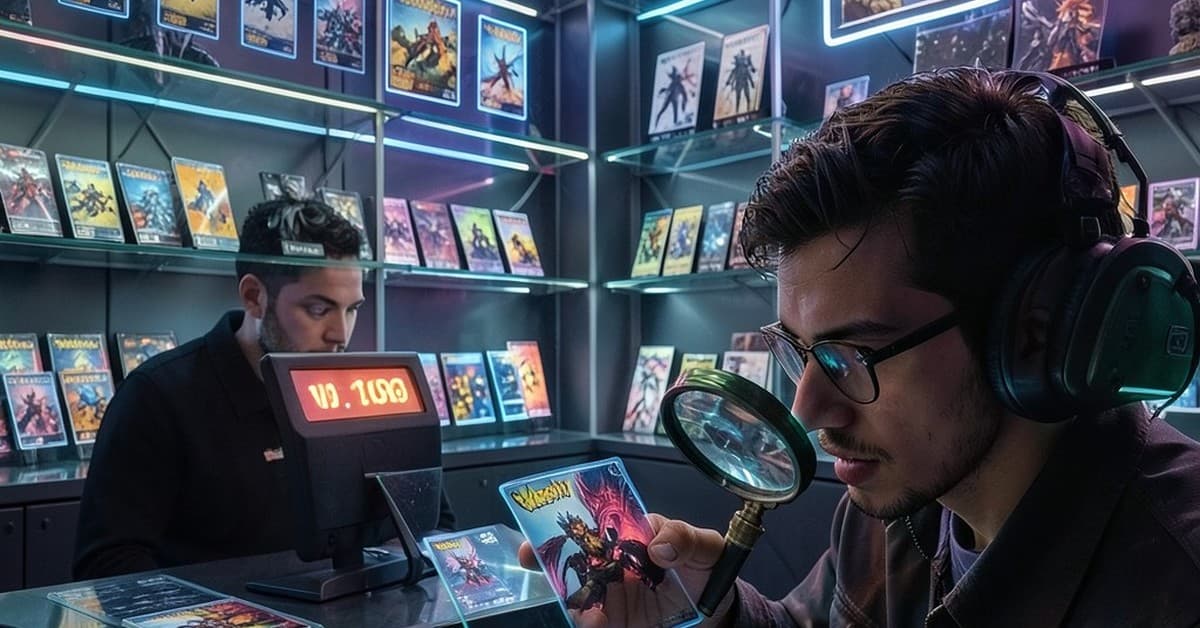
GameStop, in its latest bid to bolster profits, has introduced a controversial "Power Packs" program on its website, where customers can purchase randomized, PSA-graded Pokémon cards for a staggering $5,000 per unit. This move comes as the retailer attempts to navigate its financial challenges, including its ambitious but financially strained attempt to acquire eBay for $56 billion. The "Power Packs" initiative, part of a collaboration with card-grading site PSA, allows users to "rip" a digital card pack containing a single graded card, with the option to have it shipped, sold through GameStop's platform (with a commission taken), or stored in a secure facility.
The program's pricing tiers range from $25 to the newly introduced $5,000 "Neutronium" tier, with the implicit promise that higher spending increases the likelihood of receiving a valuable card. However, the website's "estimated pack value" breakdown reveals heavily stacked odds against the buyer:
| Metric | Value |
|---|---|
| Chance of card worth over $40,000 | 0.4% |
| Chance of card slightly more valuable than purchase price | 25% |
| Chance of card worth less than $5,000 | 72% |
The allure of potentially landing a PSA 10 Charizard, though exceedingly rare, is the primary draw for such a high-risk investment.
About the "Power Packs" Program
The "Power Packs" program has been operational for several months, initially with a top tier priced at $2,500. The escalation to a $5,000 tier marks a significant gamble by GameStop, capitalizing on the current frenzy surrounding Pokémon Trading Card Game (TCG) products, especially among adult collectors. This initiative is the latest in GameStop's series of unconventional strategies to turn around its fortunes, following forays into NFTs, Bitcoin, and the retro collectibles market.
The program's structure and the vast potential for financial loss have drawn comparisons to Lucky Box vending machines, albeit with the added veneer of legitimacy provided by GameStop's brand and PSA's grading. Critics argue that this exploits the market's current volatility, where adult collectors' high demand and willingness to spend large sums have driven up prices of recent Pokémon TCG sets.
Implications for Collectors and the Market
The launch of the $5,000 "Neutronium" tier sparks concerns about the escalating prices of collectibles and the exploitation of consumer desire for rare items. With a clear house advantage built into the "Power Packs" model, the program raises questions about the sustainability and ethics of such business practices in the collectibles market. Furthermore, it highlights the broader issue of adult collectors driving up prices, making newer sets inaccessible to the game's core demographic: children.
GameStop's refusal to offer Pokémon TCG products at competitive prices, coupled with this high-stakes gambling-esque offering, underscores the company's prioritization of short-term profits over customer value. As the gaming and collectibles community reacts to this development, the long-term impact on GameStop's reputation and the Pokémon TCG market remains to be seen.
What This Means for Players and Collectors
For potential buyers, the "Power Packs" program, especially the $5,000 tier, represents an extremely high-risk investment with little assurance of a worthwhile return. The 72% chance of receiving a card worth less than the purchase price makes it a gamble that few can afford, literally and figuratively. For the broader Pokémon TCG community, it signifies a worrying trend where speculation and greed overshadow the hobby's enjoyment, potentially pricing out casual collectors and younger fans.
GameStop's actions also reflect a larger industry challenge: the balance between monetizing popular franchises and preserving accessibility for their core audience. As the company pursues aggressive revenue streams, the community will be watching to see if this strategy backfires or sets a troubling precedent for other retailers.
Conclusion and Future Outlook
As GameStop navigates its financial challenges and ambitious acquisition plans, the success and ethical implications of the "Power Packs" program will be closely monitored. Whether this initiative attracts enough high-stakes buyers to significantly impact GameStop's finances or if it becomes a point of consumer backlash, one thing is clear: the Pokémon TCG market has never been more fraught with speculation and high-risk investments.
Observers await GameStop's next move, particularly how it plans to address the backlash and whether it will adjust its strategy based on consumer and market feedback. Meanwhile, collectors and fans of the Pokémon TCG are advised to approach such offerings with caution, weighing the potential for rare finds against the very real risk of substantial financial loss.