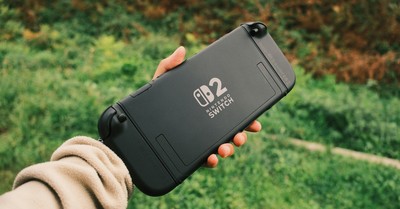
Nintendo is paring back Switch 2 production from a planned 6 million units to 4 million for the coming quarter, according to Bloomberg sources — a sharp pivot less than a year after the hybrid’s record-setting debut moved over 3.5 million units globally at launch.
Production Scaled Back After Hot Start
People familiar with Nintendo’s plans told Bloomberg the adjustment is tied primarily to weaker-than-expected U.S. demand. Those sources also said the reduction isn’t being driven by the broader spike in RAM and storage component costs. In a recent Q&A, Nintendo reiterated it "does not currently plan to increase the price" of its consoles despite higher memory prices, adding it would offset those expenses by boosting availability "as much as possible."
The shift lands as Switch 2 nears its first anniversary. The system launched on June 5, 2025, after a January 2025 reveal that followed months of leaks and rumor chatter. A hotter-than-anticipated opening suggested another long run was in the cards, yet momentum has cooled in the United States, forcing Nintendo to dial in its near-term output while it reassesses sell-through.
What’s Dragging Sales
Many observers point to the software slate. While Switch 2 has notched a few exclusives — including Mario Kart World and the well-received Donkey Kong Bananza — enthusiasm around those releases has faded with time. The console’s library is expanding, but the cadence of fresh, must-play first-party titles hasn’t consistently pushed fence-sitters to upgrade.
Nintendo’s leadership continues to frame Switch 2 as a marathon, not a sprint. The company expects the system’s lifespan to at least match the original Switch, which enjoyed a lengthy tail thanks to strong software support. President Shuntaro Furukawa underscored the strategy in that Q&A, saying that growing the install base would naturally "expand the sale of software" — a virtuous loop Nintendo has relied on for decades. The question is timing: can a stronger 2026 slate re-ignite hardware demand in the U.S. without a price cut?
Features Aren’t the Problem
On paper, Switch 2’s pitch remains compelling. The console-handheld hybrid adds Nvidia DLSS support and a dock capable of 4K output, which make compatible games look cleaner on modern TVs. Nintendo has also folded GameCube titles into the Nintendo Switch Online library, deepening its retro catalog. And the Joy-Con 2 controllers include mouse-style functionality for finer aiming — a surprisingly versatile tweak that benefits titles like Cyberpunk 2077 and Metroid Prime 4: Beyond.
That blend of quality-of-life upgrades and performance headroom suggests hardware isn’t the sticking point. Instead, Switch 2 needs more software routinely hitting that “buy the system” threshold. There are signs it’s getting there. Pokémon Pokopia is rapidly reaching sales milestones and drawing praise from fans and critics, the kind of momentum that usually lifts hardware. If Nintendo and its partners keep delivering exclusives that show off DLSS scaling and the 4K dock in meaningful ways, the audience should follow.
What to Watch Next
Near-term, the production trim looks like a tactical correction, not a crisis. Nintendo appears unwilling to chase higher memory costs with a price hike, preferring to manage supply and nurture demand with stronger software. If the release calendar sharpens and first-party output accelerates, the company can ramp manufacturing again. Until then, a 4 million target signals caution as Switch 2 heads into year two — and sets the stage for software to do the heavy lifting.