Lights, Camera, Panic
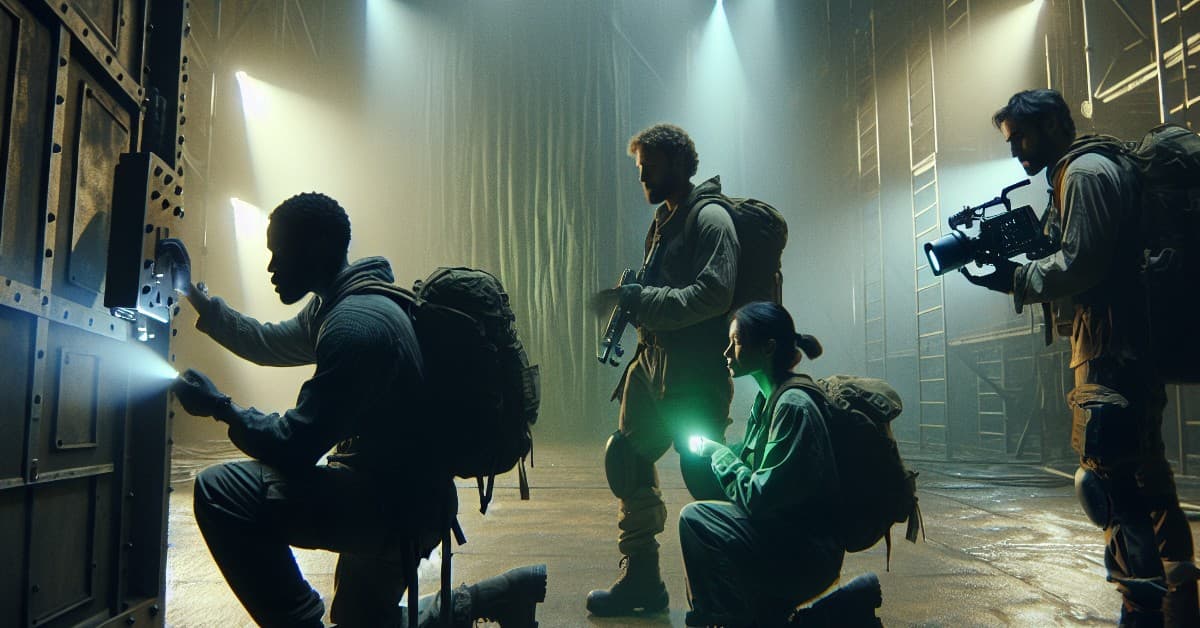
Auction houses that sell people were already nightmare fuel. Project Judas, the sixth season update for The Outlast Trials, drags players onto a film-and-TV production set where the cameras feel as predatory as the killers behind them. It’s a bizarre new backdrop that fits Red Barrels’ violent sandbox a little too well.
This isn’t a minor patch. The update introduces a brand-new environment themed around production lots and soundstages, plus a fresh Trial that threads in more backstory about the Murkoff Facility. The result is a louder, meaner season drop that keeps escalating the co-op gauntlet rather than sanding it down.
If you’ve been circling the game, this is a strong on-ramp. With Project Judas in place, The Outlast Trials now stands among the most content-rich co-op horror games available. My group bounced off it in the past—matches felt long, the pressure relentless—but a committed session made the structure click. Once we learned how to use the tools and pace our risks, the tension shifted from overwhelming to deliciously manageable.
Moment to moment, the play reads closer to Resident Evil’s cat-and-mouse survival than the straight-shot terror of earlier Outlast entries. That shift matters. You’re still unarmed and hunted, but planning routes, managing items, and timing your pushes give each run a logic that rewards discipline instead of blind luck.
What Project Judas Adds
Red Barrels frames Season 6 as another step in its “turbocharged” co-op experiment, and the specifics back that up. You get a fresh setting that leans into prop-laden traps and showbiz menace, a new Trial tied directly to Murkoff’s ongoing horrors, and a thicker layer of lore that widens the lens on what this facility is doing—and to whom.
- A new film-and-TV production environment built for high-pressure stealth and pursuit.
- An additional Trial with expanded Murkoff Facility backstory and connective lore threads.
- Season 6 content that further swells the game’s pool of rotating challenges.
The pace of additions is starting to pay off. Earlier runs through auction houses selling actual humans were already stomach-churning set pieces; shifting to the stage lights and catwalks of show production somehow finds fresh ways to unsettle. The studio keeps avoiding repetition by picking settings that are both familiar and morally rotten.
Smarter Co-Op, Not "Friendslop"
Plenty of multiplayer horror leans on "friendslop"—social chaos, punishing RNG, and enemies that feel unbeatable for the sake of memes. Project Judas is a reminder that you don’t need that scaffolding to make a squad sweat. The Trials push you to communicate, improvise, and make quick reads on patrols and hazards to earn your exit. When things go wrong, it’s usually because someone took a greedy risk, not because a dice roll doomed the run.
That design philosophy also keeps failure interesting. Longer missions can be daunting at first, but the structure builds stories: close saves, last-minute revives, and desperate sprints through strobing corridors. The new production-set Trial slots into that loop neatly, layering prop decoys, sightlines, and noise traps that force your team to think rather than simply kite.
Where Multiplayer Horror Goes Next
Indie co-op horror remains a treasure trove of wild ideas, and it keeps pushing the genre forward. Even so, Project Judas shows how those ideas can scale without losing teeth. Red Barrels was a small studio when Outlast first hit; now it’s using that scrappy DNA to build bigger, nastier sandboxes with actual staying power.
Another point in its favor: the Murkoff lore is getting more grotesque and, somehow, more coherent. Each seasonal drop adds connective tissue across Trials, tying ghastly vignettes back to a single, human-built machine of cruelty. That continuity helps the game avoid the anthology trap and makes fresh environments feel like chapters instead of one-offs.
Season 6 doesn’t reinvent The Outlast Trials. It doesn’t have to. By adding a distinct, cinematic arena and another meaty Trial, Project Judas tightens the screws on a co-op formula that values coordination over chaos. If multiplayer horror has started to feel disposable, this update is proof it can still land with purpose—and leave a mark that lingers long after the lights go out.