
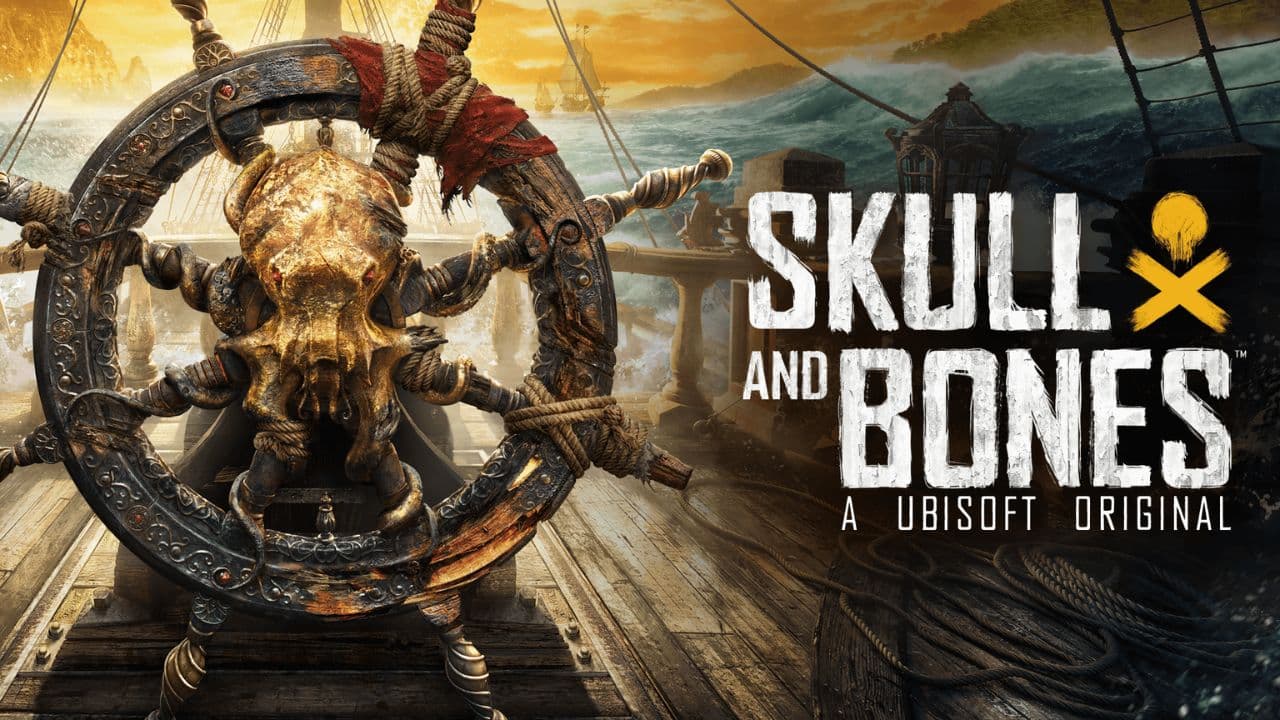
Ubisoft's latest venture, Skull and Bones, has experienced a swift and notable price reduction, shedding $25 off its original $70 tag in less than three weeks post-launch. This move by retailers has sparked a conversation within the gaming community about the pricing strategies of new releases, particularly in the context of Ubisoft's portfolio.
Troubled Waters: The Development of Skull and Bones
Skull and Bones, unveiled with much anticipation, has navigated a tumultuous development journey, marred by delays and a significant reboot in 2020. Originally slated to redefine the pirate game genre, its path to release on February 16 was anything but smooth. The ambitious price point of $69.99 / £69.99 set for this title reflected Ubisoft’s confidence in the game's scale and potential to captivate players with its vast, open-world seascape and intricate gameplay. However, the swift price reduction by retailers like Best Buy in the US and Hit in the UK to $44.99 and £49.85, respectively, raised eyebrows and questions about the game's reception and value proposition.
A Sudden Shift: The Price Cut Phenomenon
This sudden price cut, notably happening within a short span post-release, is not an isolated incident in Ubisoft’s release history. It follows a similar pattern observed with Avatar: Frontiers of Pandora, which also saw its price plummet within weeks of its launch. These rapid discounts have sparked a debate about the initial pricing strategy employed by Ubisoft and whether it aligns with the market's expectations and the inherent value of the games offered.
During an earnings call preceding Skull and Bones' release, Ubisoft CEO Yves Guillemot defended the $70 pricing, emphasizing the game's breadth and depth as justification for its cost. Guillemot assured investors and players alike that Skull and Bones was not just any game, but a comprehensive triple-A, or rather, quadruple-A title that promised an expansive and fulfilling gaming experience.
The Market’s Verdict and Ubisoft’s Strategy
The market's response, manifested through the quick price reduction, hints at the complex dynamics between pricing, player expectations, and game reception. Ubisoft's strategy to release Skull and Bones with a free eight-hour trial was a move to mitigate hesitation around the $70 price tag, allowing players to experience the game's scope before committing to a purchase. This approach, while innovative, brings to light the challenges of pricing in the current gaming landscape, where expectations are high, and competition is fierce.
Final Thoughts
The rapid price cut of Skull and Bones serves as a critical case study in video game marketing and development. It underscores the volatility of the video game market and the delicate balance companies must strike between pricing strategies and consumer expectations. As the dust settles, the gaming community will be keenly watching how Skull and Bones evolves and whether it can weather the stormy seas of its initial reception to become the landmark title Ubisoft has envisioned.
This incident also raises broader questions about the future of game pricing, especially for triple-A titles in a market increasingly accustomed to free-to-play models and substantial post-launch discounts. How Ubisoft and other developers respond to these challenges will likely shape the landscape of video game releases in the years to come.


