
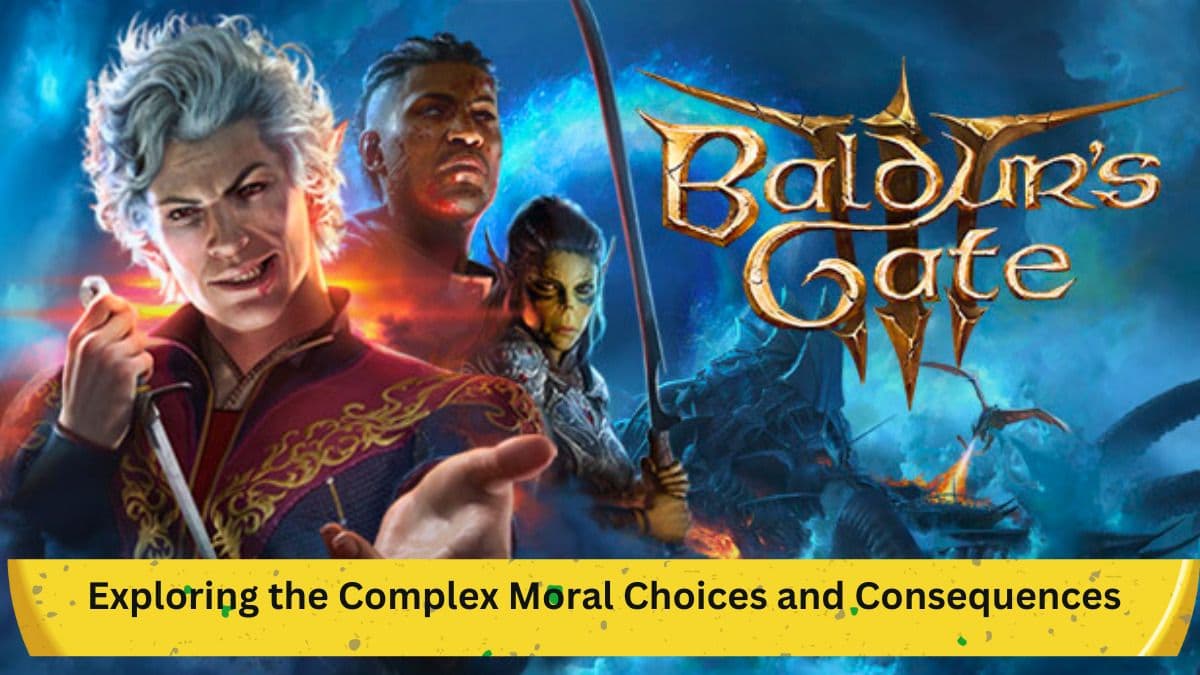
Baldur's Gate 3 offers players the ability to navigate a plethora of moral choices, shaping the journey and consequences for each character. Astarion, a notable companion, serves as an example of how good and bad choices can yield complex outcomes that are not straightforwardly beneficial or detrimental. This blog post delves into Astarion's story arc, exploring the outcomes of different moral choices and how they relate to his character development.
Moral Choices and Their Varied Outcomes in Baldur's Gate 3
In Baldur's Gate 3, players can either choose an Origin character to experience the game or create a custom character, recruiting pre-made characters as companions. Each recruited companion has a set of personal quests that unfold as the game progresses. Though not obligatory for completing the game, engaging in these quests provides valuable insight into each character's development and consequences.
The Price of Astarion's Morally Good Ending
Choosing the morally upright path for Astarion involves refusing to let him replace Cazador in a ritual to become an Ascendant Vampire. This decision liberates Astarion from Cazador's influence, while also sparing the lives of other characters involved in the ritual. However, this freedom comes at a cost: Astarion remains a Vampire Spawn indefinitely. The implications of this decision are fully revealed at the game's end if the player successfully destroys the Absolute.
Hints about the future hardships Astarion may face are embedded in various dialogues. For instance, questions about his ability to withstand sunlight provide a glimpse into the constraints of his Vampire Spawn status. Astarion conjectures that his resilience against certain vampiric weaknesses could be due to an unidentified power that also prevents the party from turning into Mindflayers.
Upon destroying the Absolute, a cutscene reveals Astarion burning in the sunlight. Freed from Cazador's control but unable to ascend, Astarion must revert to obeying the rules that govern Vampire Spawns. This ending, although morally good, does not grant him complete freedom, leaving a bittersweet sentiment in its wake.
Consequences of Choosing Astarion's Morally Bad Ending
Allowing Astarion to proceed with the ritual and become an Ascendant Vampire drastically changes his capabilities and demeanor. Though this path liberates Astarion and grants him unprecedented power, it necessitates the sacrifice of thousands of Vampire Spawns formerly under Cazador's control. The changed behavior of Astarion becomes evident in final cutscenes, especially if he is chosen as a romantic interest. His newfound power leads to a controlling personality, confirming that moral choices are not without their complexities.
Vampirism in Dungeons & Dragons 5e: A Contextual Background
Baldur's Gate 3 is deeply rooted in Dungeons & Dragons 5e mechanics, which provide a nuanced explanation for Astarion's change in personality upon becoming an Ascendant Vampire. Vampires in this framework are emotionally twisted by undeath, causing love to morph into obsession. This behavioral alteration is consistent with Astarion's post-ascension attitude, especially if he becomes a romantic interest in the game.
Future Developments for Astarion in Baldur's Gate 3
Currently, the game restricts Astarion to either becoming an Ascendant Vampire or remaining a Vampire Spawn. However, potential future updates could introduce more choices, such as becoming a true Vampire by consuming Cazador's blood. Another avenue for expansion could involve downloadable content (DLC) focusing on finding a cure for Astarion's vampirism. Such additions would enhance the game's depth and offer a more comprehensive range of choices for Astarion's character arc.
Astarion remains one of the many intricately designed characters in Baldur's Gate 3. His story arc exemplifies the complex outcomes that can arise from moral choices, highlighting the need for more comprehensive options that could be included in future updates or DLCs.
The Moral Paradox: Comparing Astarion's Outcomes with Other Characters
Astarion's morally good ending presents a unique paradox in comparison to the outcomes of other characters in the game. For example, another companion, Gale, obtains a beneficial ending that eliminates the life-threatening orb, granting him freedom from its ominous power. In contrast, Astarion's good ending leaves him constrained by his Vampire Spawn status. This juxtaposition emphasizes the moral complexity within Baldur's Gate 3 and underscores the need for choices that offer a more holistic approach to character development.
The Role of Player Choice in Shaping Astarion's Journey
Player choices significantly influence Astarion's personal quests and eventual outcomes. For instance, dialogue options allow players to delve deeper into Astarion's backstory and moral dilemmas. These choices are not merely superficial; they have lasting implications that become evident as the game progresses. Therefore, players must weigh the moral and practical consequences of each decision, as they bear directly on Astarion's ultimate fate and well-being.
Balancing Moral Integrity and Character Development
The game presents a challenging task of balancing moral integrity with desired outcomes for each character. Astarion's story arc demonstrates that morally good decisions may result in less-than-ideal endings. This interplay between morality and practicality raises pertinent questions about the nature of choice in role-playing games and encourages thoughtful decision-making throughout the gameplay.
DLC Possibilities: An Opportunity for Redemption?
As of now, the game offers limited options concerning Astarion's development. However, the potential for future downloadable content (DLC) exists, offering the possibility of addressing the limitations in his character arc. Such DLC could include quests focused on finding a cure for Astarion's Vampire Spawn condition or introducing new options to turn him into a true Vampire. Expanding the range of choices for Astarion's character would undoubtedly enrich the gameplay and present a fuller picture of the moral complexities involved.
Conclusion: Navigating the Complex Terrain of Moral Choices in Baldur's Gate 3
Astarion's story arc serves as a nuanced example of how Baldur's Gate 3 intricately weaves moral choices into character development. His character illuminates the complexities of navigating a path between morally good and bad decisions, each with its own set of consequences. Future developments, such as game patches or DLC, could offer more comprehensive choices, thereby adding depth to the game's existing narrative.
While Astarion's journey might serve as a cautionary tale about the limitations of moral choices, it also provides an opportunity for reflection on the ethical dilemmas that are an integral part of role-playing games. As players navigate these intricate moral landscapes, they are challenged to think deeply about the ramifications of their choices, not just for Astarion, but for the broader world of Baldur's Gate 3.


