Premium Play Now Means Premium Pay
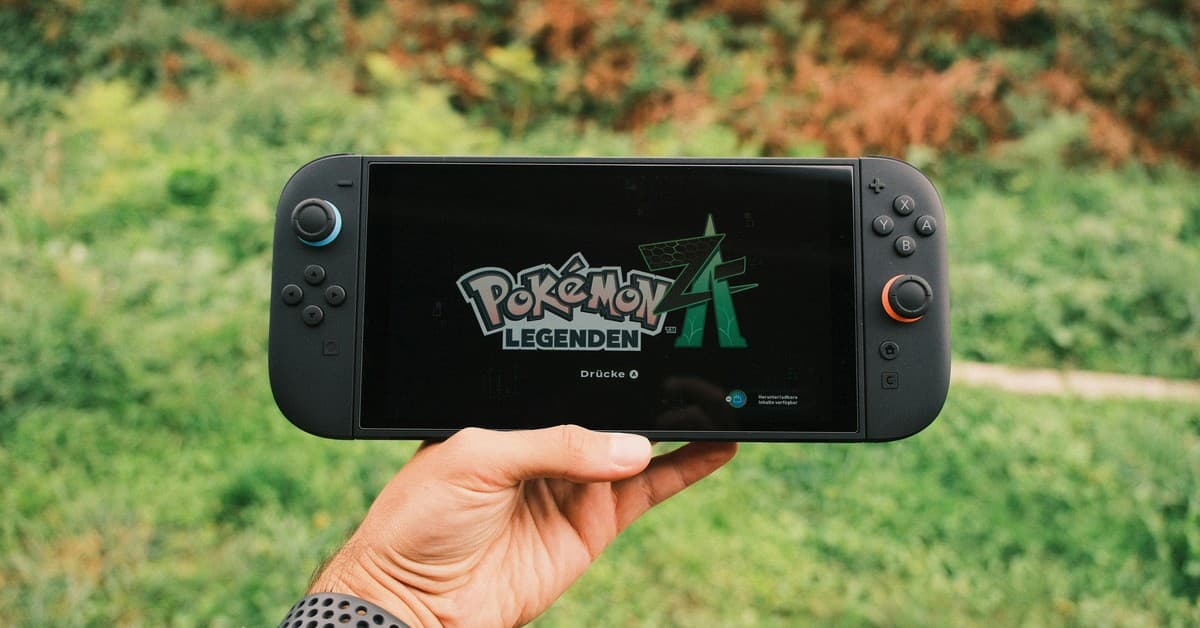
If it feels like new $70 blockbusters are courting players with thicker wallets, you're not imagining it. Speaking to Edge magazine, analyst Matt Piscatella argues the market is skewing toward higher earners, reflecting a broader "K-shaped" recovery where the top bounces back faster than the bottom. "A bigger portion of the market is going to people who are more affluent, have higher incomes, and the lower-income parts of the market are really struggling," he said. "That premium gaming space is leaning more and more on the affluent consumer."
Upfront costs have climbed while publishers push deluxe editions, battle passes, and cosmetic bundles alongside full-price releases. The result is a premium tier built for players who can absorb rising price tags and ongoing add-ons without blinking. That leaves everyone else to choose between sitting out big launches or finding entertainment in cheaper ecosystems.
A Free-to-Play Safety Net—with Strings
What happens to the audience priced out of tentpoles? According to Piscatella, they’re being funneled into the most accessible platforms and titles. "We’re basically leaving a whole portion of the market to Fortnite, Minecraft, Roblox and mobile content," he said. Those games are free to start, live on devices people already own, and thrive on constant updates that keep friends logging back in.
The tradeoff is familiar: aggressive shops, event passes, and endless cosmetics that chip away over time. For families managing tighter budgets, that can feel like the only viable path to keeping kids playing what their peers play. It’s a different kind of cost creep—less about a single steep buy-in and more about a steady drip whenever a new season or must-have skin rolls around.
Critics would call this a videogame spin on "Vimes' Boots": players with cash buy a premium title once and enjoy it for months; players without it get stuck in loops of recurring nudges to spend. None of that invalidates the genuine fun people have in these ecosystems, but it underscores a split between those paying up front for expansive experiences and those paying in increments just to stay current.
PC’s Scrappy Middle, And What Consoles Won’t Do
There is still a bright spot: PC’s endless supply of inexpensive, oddball projects and short-form experiments. Piscatella points to that space as proof the market can support lower-priced games if platforms help them find an audience. "If we can get the consoles to start adopting a little bit more of a strategy where they could be a bit more nimble and start pushing these products more," he suggested, smaller releases might stand a chance on living-room hardware too.
Right now, he says, platform holders seem content to let the biggest free-to-play giants do the heavy lifting on engagement. "But right now, they’re very happy just letting Fortnite dominate the playtime and engagement." That posture makes sense in the short term—those games keep users active and spending—but it risks hollowing out the mid-tier, where fresh ideas used to scale up.
This isn’t a prediction of collapse; it’s a warning about concentration. When the business leans on affluent spenders at the top and free ecosystems at the bottom, the space in between shrinks. That’s where many beloved series once took root, and where new voices can still break through without needing a nine-figure budget or a live-service runway.
So what changes the trajectory? Better curation and promotion for cheaper, contained releases on consoles. Lower barriers for small teams to get featured. Smarter storefronts that surface short, inventive games alongside tentpoles. And yes, a willingness from publishers to greenlight projects that don’t live or die on season passes. None of this is glamorous, but it’s the infrastructure that keeps a hobby broad instead of brittle.
If platform holders want the next generation to see more than a battle pass or a $70 deluxe page when they open a store, they’ll need to invest in the messy, creative middle. Otherwise, premium players will keep climbing the top arm of the K while everyone else lives where the item shop never closes.