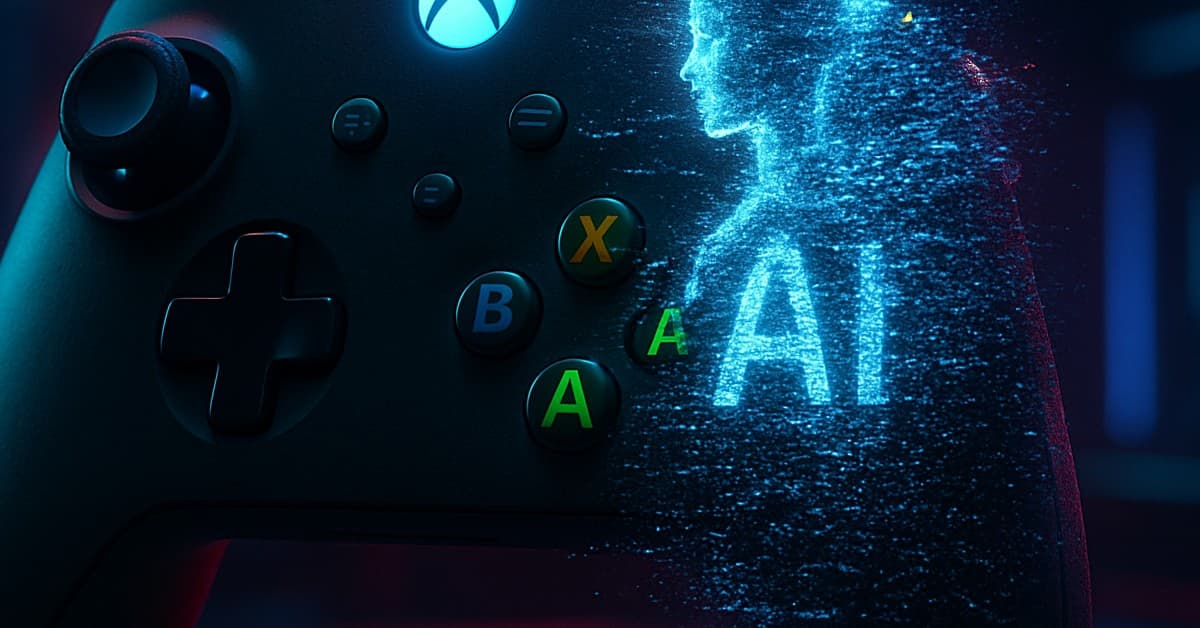
Microsoft's ambitious plan to integrate AI assistance into Xbox gaming via its Gaming Copilot initiative has been met with swift and decisive termination, less than two months after its public unveiling at GDC 2026. The project, aimed at leveraging AI and Large Language Models (LLMs) to enhance the Xbox gaming experience, was showcased in a presentation that attempted to alleviate skepticism towards gaming AI. However, a clip demonstrating Copilot's in-game assistance in titles like Sea of Thieves sparked immediate repulsion among gamers, including loyal Xbox fans, on social media.
The cancellation comes as part of a broader strategic shift under recently appointed Xbox CEO Asha Sharma, who outlined the company's new direction on X (formerly Twitter) on May 5. Sharma emphasized the need for Xbox to "move faster, deepen our connection with the community, and address friction for both players and developers." This shift includes promoting internal leaders and introducing new external voices to drive the business forward. Notably, Sharma, who joined from Microsoft's CoreAI division, has made a popular yet unexpected move by scrapping a project that seemed ill-suited for Xbox, especially given its previous rejection by average consumers on PC.
About the Gaming Copilot Initiative and Its Demise
The Gaming Copilot was initially slated for a console release later in the year, alongside a mobile version that is now being wound down. In a statement, Sharma confirmed, "We will begin winding down Copilot on mobile and will stop development of Copilot on console." This decision marks a significant reversal, reflecting the company's responsiveness to community feedback under Sharma's leadership. Microsoft CEO Satya Nadella's directive to "win back fans" appears to be guiding this move, as the company seeks to regain favor with its user base.
"We will begin winding down Copilot on mobile and will stop development of Copilot on console."
Asha Sharma, Xbox CEO
Critically, the demise of Gaming Copilot does not signify Xbox's abandonment of AI integration. The recently launched AutoSR feature, which automatically optimizes hardware performance to balance resolution and framerate, has been successfully tested on the ROG Xbox Ally X through the Xbox Insider program. Although its console release, previously planned for later this year, is now uncertain, AutoSR represents a more universally accepted application of AI, aligning with Microsoft's ongoing efforts to identify the right fit for AI technologies in gaming.
What This Means for Players and the Future of Xbox AI
The cancellation of Gaming Copilot sends a clear message about Microsoft's renewed commitment to community feedback. By swiftly addressing the backlash, Sharma demonstrates an willingness to pivot when initiatives fail to resonate with the gaming community. For players, this means a continued focus on features that enhance gameplay without infringing on the gaming experience. AutoSR, with its performance optimizations, stands as a positive example of AI's potential benefits when applied thoughtfully.
However, the move also leaves questions about the broader implications for Microsoft's AI-centric strategies. While Gaming Copilot's failure is the most notable setback under Sharma's tenure, it underscores the challenges of integrating innovative technologies into established gaming ecosystems. The path forward for Xbox's AI ventures will likely involve a more cautious, community-driven approach, ensuring that technological advancements serve to enhance, rather than detract from, the gaming experience.
Community and Industry Reaction
The swift demise of Gaming Copilot has been met with a mix of relief and curiosity from the gaming community. Many have applauded Microsoft's responsiveness to feedback, seeing it as a positive step in reestablishing trust. Industry observers, meanwhile, are watching closely to see how this decision influences the broader adoption of AI in gaming, particularly in the console market. As one gamer noted on social media, "It's a relief they listened, but now we wonder what other projects might be on the chopping block."
"It's a relief they listened, but now we wonder what other projects might be on the chopping block."
Gamer on social media
Microsoft's decision also highlights the delicate balance between innovation and community acceptance. In an era where games-as-a-service models and live-service games dominate, the incorporation of AI must be carefully considered to avoid alienating the user base. The Gaming Copilot's failure serves as a case study in the importance of gauging community sentiment before launching potentially divisive features.
Looking Ahead
As Xbox navigates this strategic realignment, gamers can expect a more discerning approach to AI integration. The future of projects like AutoSR will be closely watched, not just for their technical merit but also for their community acceptance. With Sharma at the helm, the emphasis on "winning back fans" suggests a renewed focus on core gaming experiences, with AI playing a supportive rather than central role. The coming months will reveal how effectively Microsoft can strike this balance and regain momentum in the competitive gaming landscape.
The cancellation of Gaming Copilot also raises questions about the resources allocated to the project and how they will be redistributed. Given the significant investment in AI research and development, it will be interesting to see if these resources are redirected towards more community-approved AI features or if they are allocated to entirely new projects. This decision could have broader implications for Microsoft's AI strategy across its divisions.
Key Takeaways from the Source
- Gaming Copilot for Xbox and mobile is being discontinued due to negative community feedback.
- Xbox CEO Asha Sharma is leading a strategic shift focusing on community connection and friction reduction.
- AI is not entirely out of the picture, with features like AutoSR still in development for potential console release.
- The decision reflects Microsoft's effort to "win back fans" under Sharma's leadership.
In conclusion, Microsoft's decision to end the Gaming Copilot initiative marks a significant turning point in the company's approach to AI in gaming. By prioritizing community feedback and focusing on more subtle AI integrations like AutoSR, Xbox aims to rebuild trust and drive forward with a clearer understanding of what its audience wants from next-generation gaming technologies.