
Ubisoft has recently found itself at the center of a heated discussion regarding the historical depiction in its latest installment, Assassin's Creed Shadows. The game, set in feudal Japan, has sparked controversy particularly over its portrayal of the African samurai, Yasuke, leading to a broader conversation about historical accuracy in video games.
The Core of the Controversy
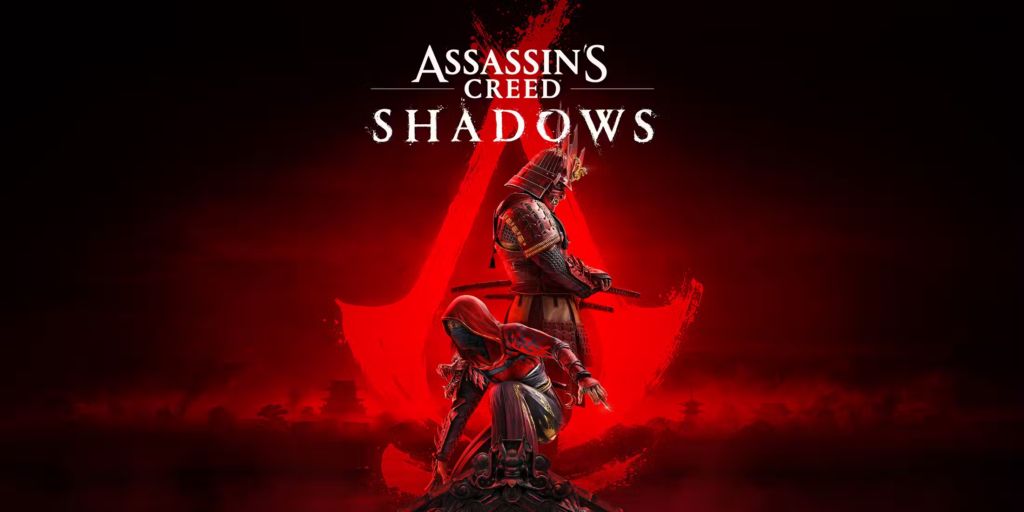
Assassin's Creed Shadows introduced Yasuke as one of its protagonists, a character based on a historical figure known to have served under Lord Oda Nobunaga in Japan. The decision to portray him as a traditional samurai warrior has been met with mixed reactions. Critics argue that this representation might overshadow more nuanced depictions of Japanese culture and history, especially given the complex nature of Yasuke's historical role, which was not exclusively that of a combatant.
Ubisoft's Response to Criticism
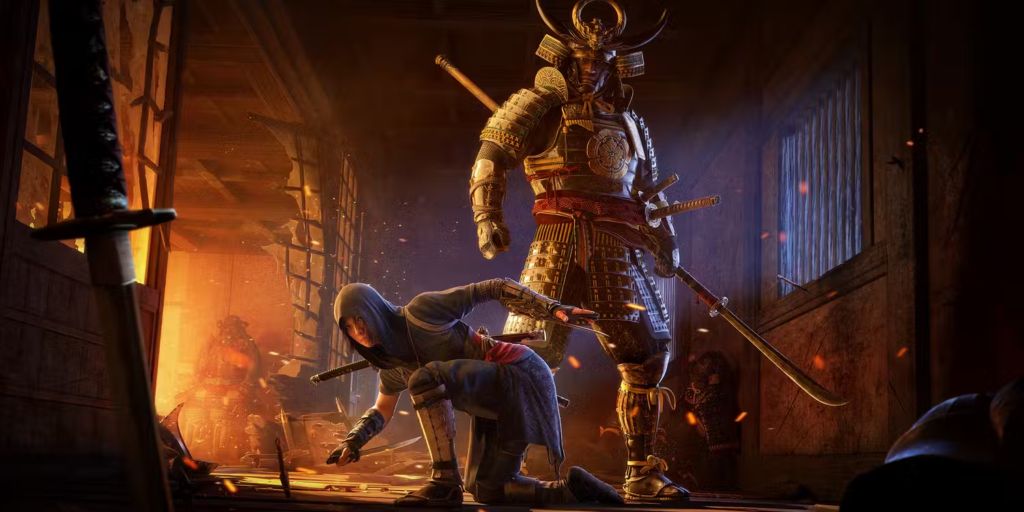
In a statement released on July 23, Ubisoft addressed these concerns head-on. The company acknowledged the debates surrounding Yasuke's portrayal but defended its decision by citing the narrative flexibility of the Assassin's Creed series, which has always blended historical facts with fiction to create engaging stories. Ubisoft emphasized that both Yasuke and the Japanese shinobi Naoe are central to the storyline, ensuring a balanced representation within the game's narrative framework.
Apology for Promotional Materials
Further addressing the backlash, Ubisoft apologized for certain promotional materials that may have inaccurately portrayed Japanese history. This apology relates to an earlier incident involving the misuse of a banner from a Japanese reenactment group in the game's concept art, for which Ubisoft Japan had already expressed regret.
Historical Fiction Versus Historical Accuracy
Ubisoft reiterated that the Assassin's Creed franchise is rooted in historical fiction, not pure history. While the games are thoroughly researched—drawing on expertise from historians and cultural consultants—the ultimate goal remains to craft a compelling and entertaining experience rather than provide a documentary-like portrayal of historical events.
Creative Liberties and Collaborative Efforts
The development of Assassin's Creed Shadows involved significant consultation to ensure cultural and historical resonance where possible, despite the creative liberties taken. Ubisoft has urged the community to direct any criticism towards the company itself rather than its collaborators, underscoring a commitment to respectful and responsible storytelling.
Final Thoughts
As Assassin's Creed Shadows prepares for its release, the dialogue around its development highlights the challenges and responsibilities of creating video games set in real-world historical settings. Ubisoft's approach to addressing criticism reflects its ongoing commitment to engaging with its audience's concerns while maintaining the creative essence of the Assassin's Creed series. This situation serves as a reminder of the delicate balance between historical inspiration and fictional storytelling in video games.


