
For gamers like myself, it's the unexpected details that can elevate a title from enjoyable to unforgettable. Tomodachi Life: Living the Dream on the Nintendo Switch has achieved just that with its astonishing array of Korean food dishes, transforming my playthrough into an relentless culinary quest.
The discovery began innocently enough with buchimgae, a savory pancake, in one of the island's shops. This was soon followed by yangnyeom chicken, sotteok sotteok, gim (nori), and gamja-tang, each new find sparking uncontainable excitement. Unlike the Nintendo 3DS version, which had region-specific foods not universally available, Living the Dream generously includes a broad culinary spectrum, with Korean dishes being a highlight.
About Tomodachi Life: Living the Dream
Tomodachi Life: Living the Dream is the latest in the life simulation series, offering enhanced Mii Customization and a Daily Marketplace that keeps gameplay fresh. Published by Nintendo for the Nintendo Switch, it builds upon the quirky, social aspects of its predecessors with new depth.
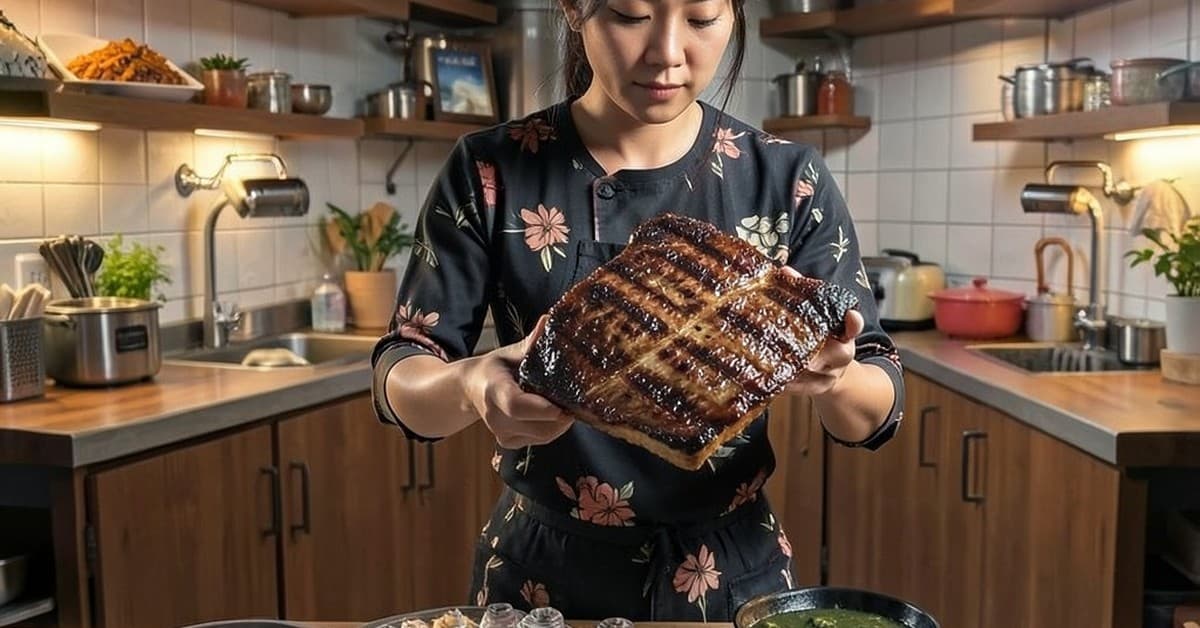
A key aspect of my engagement has been the Regional Food Variety. Unlike Animal Crossing: New Horizons, where customization and collecting are deep but lack this personal touch for me, Living the Dream's inclusion of Korean cuisine like ganjang-gejang (raw crab marinated in soy sauce and garlic) and sangyeopsal (barbecued pork belly) has created a compelling challenge: collecting them all.
The Quest for Korean Delights
The hunt for these dishes is not for the faint of heart. Many foreign dishes, including some Korean ones, are half-locked, requiring patience or specific in-game actions to acquire. The Daily Marketplace becomes a daily ritual, hoping against hope for mul naengmeyon (cold buckwheat noodles) or the elusive Tempura Rice Bowl to finally appear.
- Buchimgae: A savory pancake, perfect for surprising your Miis.
- Ganjang-gejang: A luxury for your Mii, if you can ever get it.
- Mul Naengmeyon: The holy grail of my current playthrough.
Even the Mii Customization takes on a new layer of depth as I feed my Mii self every new Korean dish, only to be met with disappointment as she prefers a Tempura Rice Bowl over the spicy kick of gamja-tang.
What This Means for Players
The inclusion of such specific, authentic culinary delights in Tomodachi Life: Living the Dream highlights the power of detailed, culturally rich content in engaging players on a personal level. For this player, at least, it has made the game more captivating than Animal Crossing: New Horizons, purely based on this unexpected, delightful feature.
Criticisms arise with the half-locked system and the prohibition on time travel, which could have made the collection process less daunting. However, these challenges only deepen the satisfaction of finally adding sangyeopsal to your collection.
Conclusion and Looking Forward
Over a month in, my daily check-ins with Tomodachi Life: Living the Dream remain motivated by the culinary hunt. As the game continues to unfold, the hope for new Korean dishes, coupled with the game's social antics, ensures that this title will remain a fixture on my Nintendo Switch for the foreseeable future.