
A Near-Complete Project, Cut Late
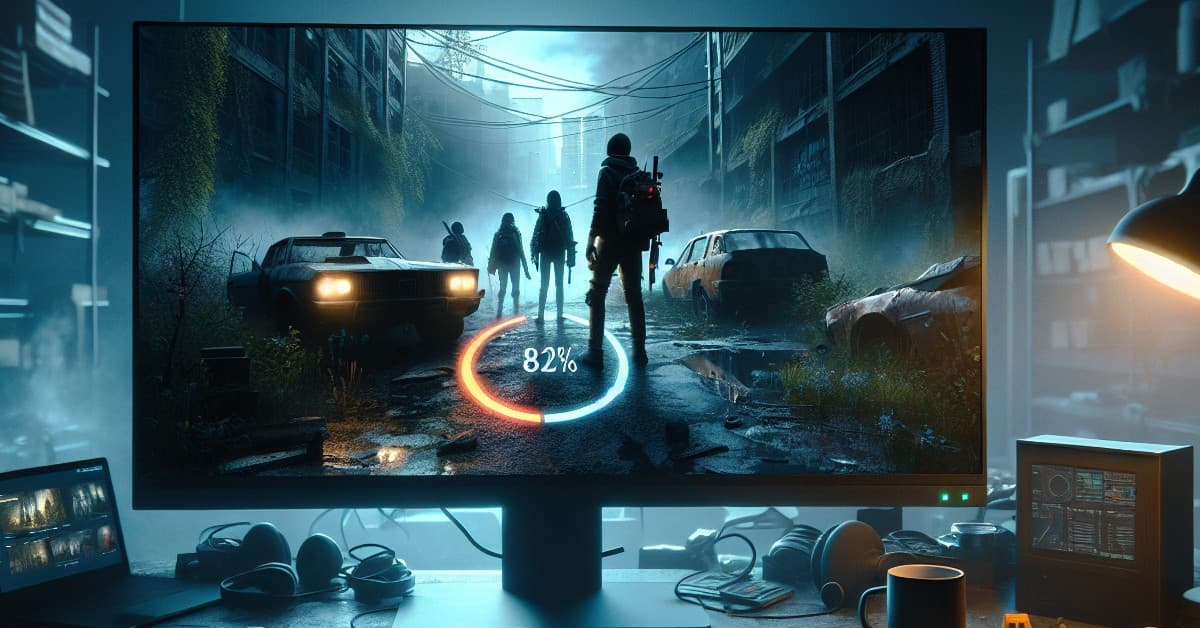
Last of Us Online was "about 80 percent" complete when Naughty Dog canceled it, according to the game’s director, Vinit Agarwal. He says he learned the news only a day before the public did, ending a project he’d worked on for "seven years." That snap of finality, coming so late and so close to the finish line, helps explain why fans heard rumblings of progress for so long before the studio finally pulled the plug nearly three years ago.
Agarwal shared the update during a long interview with Lance E. Lee, speaking candidly about his time at Naughty Dog and what happened to the multiplayer spin on the studio’s prestige franchise. He’s since left for Japan to found a new studio, but he remains adamant the multiplayer game could have been "really big" if it had shipped.
Why Sony Pivoted—Then Backed Off
Context matters here. Agarwal points to Sony’s live-service push that gathered steam in 2020, when lockdowns made online games a lifeline for staying connected. That strategy put extra wind behind multiplayer ideas across PlayStation studios, including Naughty Dog’s effort. As pandemic restrictions eased and player behavior shifted, Sony walked back some of that investment, creating a tougher path for projects that didn’t neatly fit the company’s rebalanced priorities.
Internal resources were the other pressure point. Big, ongoing-service games require sustained support, and Naughty Dog is best known for top-tier single-player work. Balancing the two, according to Agarwal, forced a choice that ultimately favored the studio’s core identity. He describes a gutting outcome for the team that had been building the online experience for years.
“Pick One”: Inside the Call That Killed It
The decisive moment came down to which game would define Naughty Dog’s next stretch: the multiplayer offshoot, or the next project directed by studio president Neil Druckmann. That project is the upcoming PS5 title Intergalactic: The Heretic Prophet, which the studio publicly positioned as its next major single-player release.
Basically, at one point, a decision had to be made. âOkay, make this game or make the next game that Neil Druckmann was directing, the president of the company.â And so, kind of naturally, you can understand what happened there. They had to pick the game that was kind of the bread and butter of the studio rather than this experimental game that I was working on that I believe was going to be really big, but unfortunately couldn’t see the light of day. That was a devastating moment for me because I spent seven years working on that game and it was soul-crushing. I remember honestly finding out that it was getting cancelled 24 hours before it was announced to the public. That’s how I found out about the game getting cancelled and it was just unfortunate and they had to do that because they have to control the messaging.
According to Agarwal, the studio prioritized the project that reflected its "bread and butter" — that is, cinematic single-player storytelling — over what he calls an "experimental" online game. He characterizes the cancellation as "soul-crushing," and says he was told roughly 24 hours before the public announcement as part of tight message control. It’s a stark window into how quickly priorities can shift at even the most celebrated studios.
Reports at the time framed the decision as a resource realignment, and Agarwal’s account doesn’t clash with that. It adds scale, though: when a game is "80 percent" there, you’re no longer talking about a pitch or a prototype. You’re talking about a near-finished product that still lost out in a zero-sum math problem.
What’s Next for Naughty Dog—and The Last of Us
Right now, Naughty Dog is focused on Intergalactic: The Heretic Prophet, while Druckmann keeps hinting there’s more Last of Us to come. It’s been six years since The Last of Us Part II, a gap approaching the time that separated Parts I and II. That cadence suggests patience will be required for whatever comes next, whether it’s a new chapter for Ellie and Abby or something further afield within that universe.
Don’t expect a quick turnaround on a hypothetical Part III. Agarwal’s comments underline how carefully Naughty Dog chooses its battles, and how costly a wrong bet can be. With a PS6 likely on the horizon later this decade, a 2030s arrival for the next mainline Last of Us wouldn’t be shocking. If and when it lands, the studio will want to remind people why its single-player focus won out in the first place.
Fans will debate the "what if" around Last of Us Online for years, and understandably so. An 80-percent-finished vision is close enough to imagine clearly. Still, if Naughty Dog nails its next act and Sony fine-tunes its live-service ambitions instead of chasing trends, the trade-off that killed the multiplayer spinoff may look less like a retreat and more like a reset.