
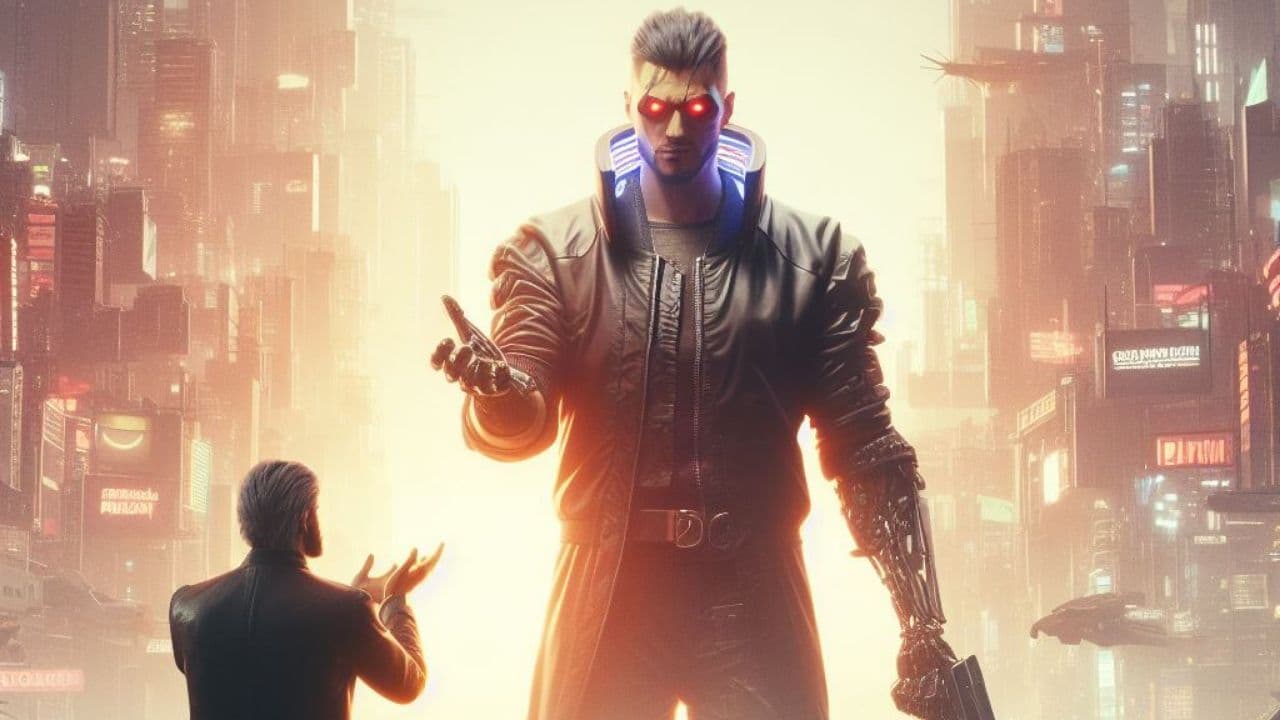
Announced in 2012 and released in 2020, Cyberpunk 2077's journey has been tumultuous. The game fell short of its high expectations at launch, marking one of the most infamous debuts in video gaming history. Despite the rocky start, the intellectual property (IP) garnered enough interest for CD Projekt Red to stage a remarkable comeback.
This turnaround was largely driven by the release of the Phantom Liberty DLC, the only major story expansion for Cyberpunk 2077. Accompanied by a substantial update that overhauled many of the game’s core mechanics, Phantom Liberty has brought the title closer to its original promise. The game’s revival has shifted focus to the future of the IP, sparking anticipation among fans for what lies ahead.
The Witcher’s Uncertain Future Amid Cyberpunk’s Success
CD Projekt Red, a studio established on the success of The Witcher series, now faces a unique challenge. The Witcher, debuting in 2007 and based on Andrzej Sapkowski's novels, encompasses:
- Three mainline video games and a remake, with a fourth entry in development.
- Eight spin-off titles, including the well-received Gwent card game.
- A successful Netflix adaptation, which has recently announced its fourth season.
Long considered CD Projekt Red's flagship franchise, The Witcher is now potentially being eclipsed by the resurgent popularity of Cyberpunk 2077. Notably, Cyberpunk’s Netflix animated adaptation, Cyberpunk Edgerunners, has achieved more critical acclaim than The Witcher’s live-action series.
The renewed interest in Cyberpunk, driven by Phantom Liberty's success, suggests a changing tide. Discussions about Cyberpunk's future are now more prominent, overshadowing recent developments in The Witcher series.
Balancing Two Major Franchises
The newfound success of Cyberpunk 2077 poses a unique dilemma for CD Projekt Red. While The Witcher retains a strong fanbase, the growing popularity of Cyberpunk could divert attention from The Witcher 4, announced in March 2022. Managing these two major IPs will require careful navigation of fan expectations and market trends.
Despite the potential for internal competition, this scenario is largely positive for CD Projekt Red. The studio now boasts two thriving franchises competing in the AAA gaming space. However, maintaining the momentum of both while ensuring each has its unique appeal and fan engagement will be crucial.
Final Thoughts
The resurgence of Cyberpunk 2077 with Phantom Liberty marks a significant moment in the video game industry. It challenges the dominance of The Witcher within CD Projekt Red's portfolio and reflects the dynamic nature of gaming trends. The studio now faces the enviable task of balancing these two major franchises, ensuring each receives the attention and development it deserves. This balancing act will not only shape the future of CD Projekt Red but also influence the broader landscape of the AAA gaming industry.


