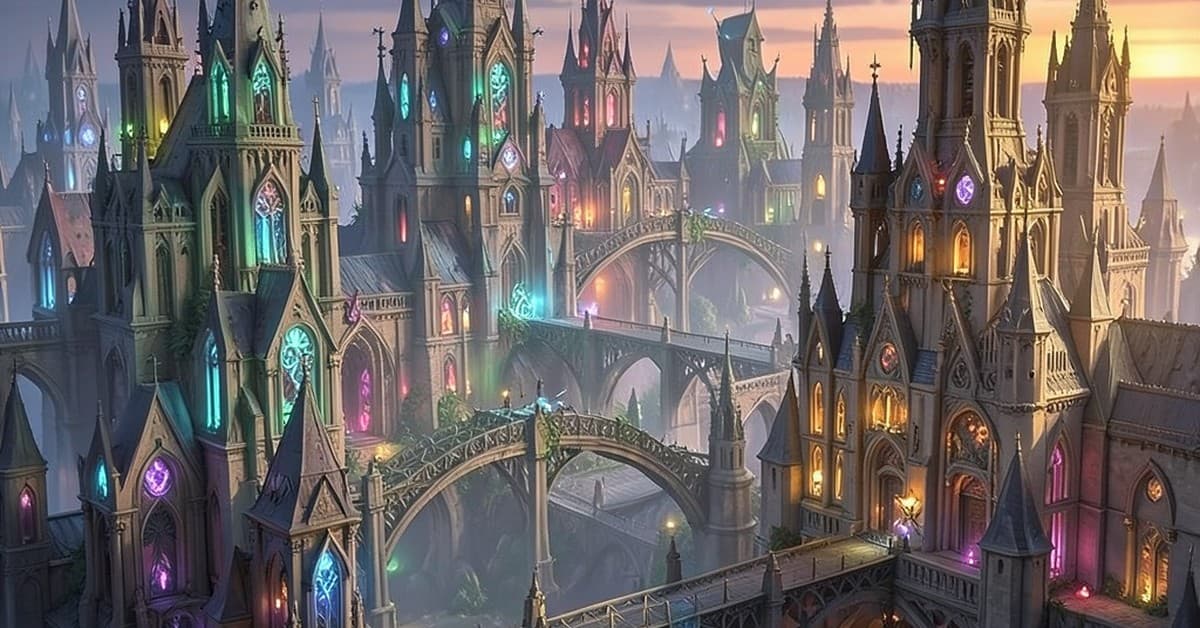
May 5, 2023, marks a significant milestone in the history of Magic: The Gathering - the 20-year anniversary of the release of Dissension, the culminating set of the groundbreaking Ravnica block. For veteran players and newcomers alike, the impact of Ravnica on the game's landscape is still deeply felt, revolutionizing how players conceptualize, build, and describe their decks.
Reflecting on the era before Ravnica, the game lacked a cohesive identity for its two-color combinations. Decks were often described merely by their colors (e.g., "green-white") without a deeper, unifying theme. This all changed with the introduction of Ravnica's 10 guilds, each meticulously crafted to embody a distinct two-color pairing, complete with its own philosophy, culture, and mechanical identity.
About Ravnica and Its Guilds
Ravnica, a sprawling, guild-divided city-plane, was first unveiled in "Ravnica: City of Guilds," followed by "Guildpact" and culminating in "Dissension." These sets introduced players to a rich tapestry of guilds, including:
- Selesnya
- Boros
- Dimir
- Golgari
- Gruul
- Izzet
- Orzhov
- Azorius
- Rakdos
- Simic
Each guild was more than just a color combination - it was a fully realized archetype with its own playstyle and mechanical synergies.
A prime example is the Selesnya Conclave, a nature-centric guild that leverages the Convoke mechanic, enabling players to tap creatures to reduce the cost of casting other creatures. This mechanic encapsulates Selesnya's strategy of overwhelming opponents with a swarm of creatures, gradually ramping up to more powerful plays. The Conclave's emphasis on harmony and order is reflected in its creatures and spells, which often reward players for fielding large numbers of tokens or synergizing around life gain.
Mechanical Innovations and Lasting Impact
Beyond introducing iconic guilds, Ravnica innovated through mechanics that deeply influenced subsequent set designs. A notable example from Dissension is the Simic Combine's "Graft" ability, which allowed players to dynamically move +1/+1 counters between creatures, introducing a new layer of strategic depth. This mechanic, along with the later introduction of "Proliferate," significantly enhanced counter-based strategies, making deck construction more nuanced and challenging yet more rewarding.
The block's impact was not limited to new mechanics alone; it fundamentally altered how players understood and described their decks. The guild names became a universal language, transcending the sets themselves. A blue-white control deck is now succinctly described as "Azorius," while a blue-red spellslinger deck is recognized as "Izzet." This shift from color-based descriptions to guild-centric identities marked a profound evolution in the Magic community's shared vocabulary.
What This Means for Players
The legacy of Ravnica lies in its provision of a rich, shared identity for deck archetypes, elevating the game beyond mere color combinations to encompass philosophies and playstyles. This transformation has persisted, with guild names continuing to define decks even in the absence of Ravnica cards. The block's influence on mechanical design and player strategy has been enduring, with its innovations paving the way for future sets to explore deeper thematic and mechanical integrations.
For new players, the Ravnica block's impact means entering a game with a deep, pre-existing language for deckbuilding and strategy discussion. For veterans, it's a reminder of how significantly the game has evolved while retaining the core attractions that drew them in. As Magic: The Gathering continues to grow, the foundational impact of Ravnica ensures its guilds will remain pivotal in shaping the game's identity.
A Lasting Vocabulary
Twenty years after Dissension's release, the vocabulary introduced by Ravnica remains integral to the Magic community. Decks are no longer just combinations of colors but embodiments of specific philosophies and playstyles, thanks to the enduring legacy of Ravnica's guilds. This shift has made the game more accessible and richer in depth, providing a common ground for players worldwide to share and discuss their gaming experiences.
The Ravnica block did not invent two-color decks, but it certainly invented the way we think about, build, and talk about them. Before Ravnica, a green-white deck was just that—a green-white deck. Today, it’s a Selesnya deck, with all the connotations of token generation, life gain, and token swarm strategies that come with it. This evolution in nomenclature reflects a deeper evolution in how players approach deckbuilding, with a focus on cohesive strategies over mere color affinity.
Key Takeaways
- The Ravnica block, concluding with Dissension 20 years ago, revolutionized Magic: The Gathering with its 10 guilds, each representing a unique two-color pairing.
- Introduced mechanics like Convoke (Selesnya) and Graft (Simic) that significantly impacted gameplay and deckbuilding strategies.
- Provided the game with a shared vocabulary, moving beyond color descriptions to guild-centric identities (e.g., "Azorius" for blue-white control).
- Its influence on mechanical design and the game's communal language has been lasting, shaping subsequent sets and player interactions.
As the game continues to evolve with new sets and mechanics, the foundational impact of Ravnica ensures its legacy will endure, a testament to the power of thoughtful design in reshaping a game's very identity.